Common Questions About Vitamin B6
This question-and-answer guide covers what people most want to know about vitamin B6, from the basics to safety and practical next steps.
What should you know about vitamin B6 first?
Vitamin B6 is a group of related compounds, including pyridoxine, that the body uses in more than 100 enzyme reactions. It helps make neurotransmitters such as serotonin, dopamine and GABA. Its role in producing brain signalling chemicals is why it is so common in focus and mood formulas.
Why does this matter?
Most people meet vitamin B6 on a supplement label rather than in a textbook. A little background makes that label far easier to interpret. Symptoms of excess B6 include tingling and numbness in the hands and feet.
What does the research say?
Observational research links low B6 status with poorer cognitive function in older adults. Randomised trials of B6 alone have not shown clear cognitive benefits in people who are not deficient. Adults aged 19 to 50 need about 1.3 mg a day, rising to 1.5 to 1.7 mg after 50.
B6 is involved in making neurotransmitters from amino acids, including converting tryptophan to serotonin and glutamate to GABA. Deficiency is uncommon in people who eat a varied diet, but it is more likely with kidney disease, heavy alcohol use and certain medicines.
What facts are worth knowing?
- The US upper limit is 100 mg per day, and long-term high doses have been linked to nerve damage.
- Chickpeas, fish, poultry, potatoes and bananas are good food sources.
- Australia's medicines regulator has issued warnings about peripheral neuropathy linked to B6 in multi-ingredient products.
- B6 is one of the vitamins involved in keeping homocysteine in check.
Are there safety concerns?
Because B6 appears in so many products, it is easy to exceed safe totals without realising. Neuropathy from excess B6 has been reported at doses below the official upper limit in some people, so check every label you take. When in doubt, a short conversation with a pharmacist is the quickest way to check your specific situation.
What practical steps help?
- Add up the B6 from every supplement you take, including energy drinks and multivitamins.
- Stop and seek advice if you notice tingling or numbness while taking supplements.
- Get most of your B6 from varied whole foods.
- Keep the label of every product you use so a doctor can check your totals.
Is there a practical example?
A person taking a multivitamin, an energy drink and a separate stress formula might be getting B6 from all three. Adding the amounts together is the only way to know the real daily total.
What is a common misconception?
Many people believe that B6 alone boosts memory. Trials of B6 by itself have not shown clear cognitive benefits in people with adequate levels.
A second belief is that water-soluble vitamins cannot cause harm. In reality, B6 is water-soluble, yet high long-term intakes can damage nerves. Another frequent error: people also tend to give up too early on slow-acting ingredients, or to take more than directed in the hope of faster results.
How do you judge results fairly?
Be honest in your notes, including the days you skipped a habit. Accurate records are far more useful than flattering ones.
Is there anything else worth knowing?
Form matters as much as name. The same nutrient can appear as different salts, esters or extracts, and each may be absorbed differently. When a study reports a result, check which form it used before assuming a label ingredient will behave the same way.
It is also worth revisiting this topic every so often, as your circumstances, health and routines change over the years.
Where does MemoHoney fit in?
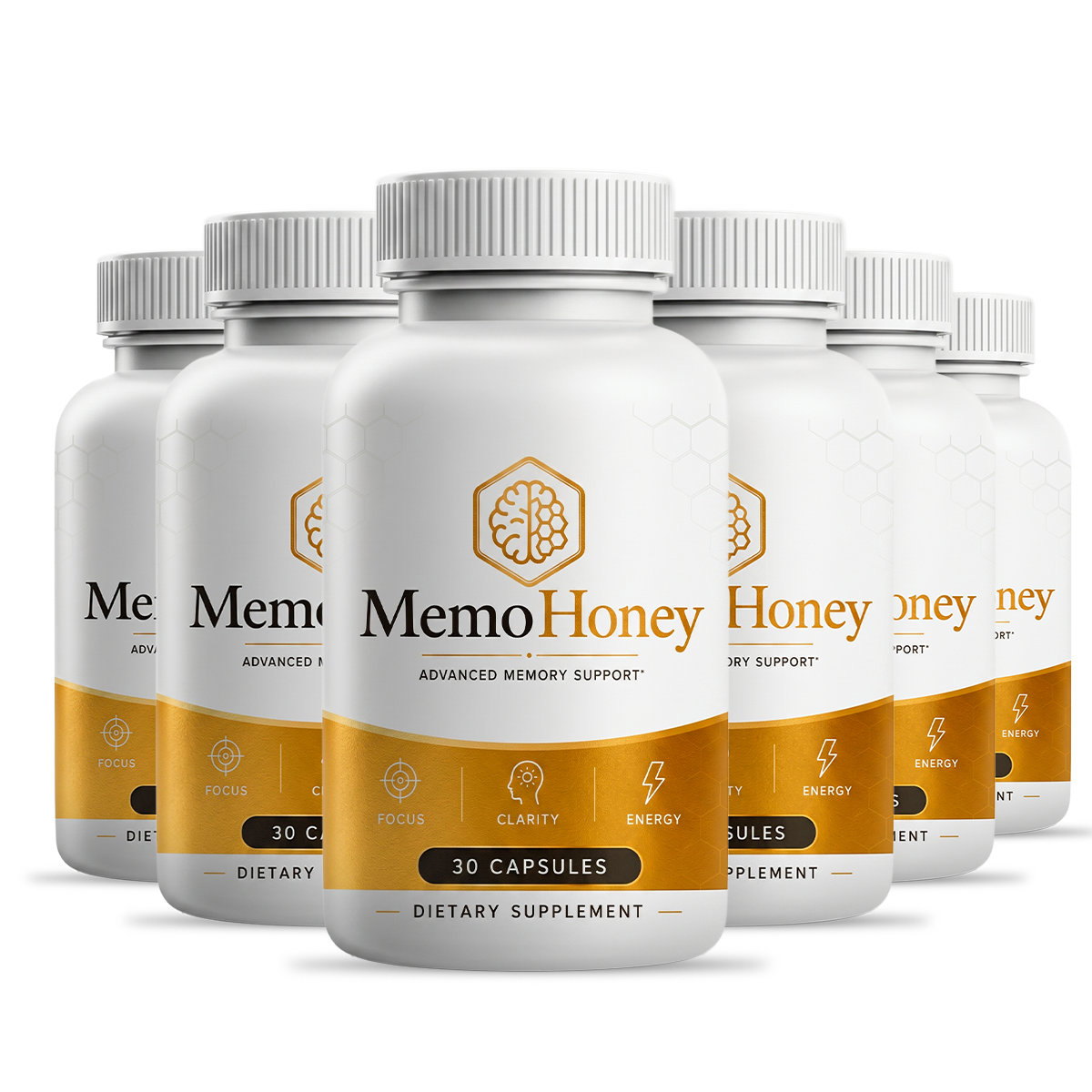
Understanding an ingredient is the first step; checking how it fits a real product is the second. You can see what MemoHoney contains on the MemoHoney ingredients page and read what it is designed to support on the MemoHoney benefits page.
If you decide to try it, the current MemoHoney discount is shown in the pricing section of the MemoHoney official website, with 2, 3 and 6 bottle options and a 60-day refund window from the purchase date.
So what should you do?
Treat everything you read about vitamin B6, including this article, as a starting point. Combine it with professional advice and your own honest observations.
Check MemoHoney Official Pricing