Folate (Vitamin B9): A Practical Buyer's Checklist
People often understand folate (vitamin B9) in principle but struggle to apply it. The checklist below breaks things down into small, realistic steps.
Starting With the Basics
Folate, also called vitamin B9, is needed to make DNA and to process homocysteine, an amino acid linked with blood vessel health. Folic acid is the synthetic form used in supplements and fortified foods. Most adults need 400 micrograms of dietary folate equivalents per day.
Since 1998 the US has required folic acid fortification of enriched grain products, mainly to prevent neural tube defects in pregnancy. This has made outright folate deficiency less common, which partly explains why supplement trials in the general population often find little extra benefit.
The homocysteine connection is the main reason B9 appears in brain-health formulas alongside B6 and B12. Most people meet folate (vitamin B9) on a supplement label rather than in a textbook. A little background makes that label far easier to interpret.
Your Action Plan
Here is how to apply the key points in everyday life:
- Eat a serving of leafy greens or legumes most days.
- Do not exceed 1,000 mcg of folic acid a day from supplements without medical advice.
- If you take folic acid, make sure your B12 status is also known.
- Ask about homocysteine testing if memory concerns run in your family.
A simple example helps. Someone taking a high-dose folic acid supplement for years without checking B12 could mask a developing deficiency. A simple blood test covering both vitamins avoids that trap.
Each step connects to something the evidence has shown. The upper limit for folic acid from supplements and fortified foods is 1,000 micrograms per day for adults. Leafy greens, beans, lentils, asparagus and fortified grains are rich food sources.
What the Evidence Supports
Low folate and high homocysteine have been associated with poorer cognitive performance in observational studies. Trials of B-vitamin supplements that lowered homocysteine have produced mixed results, with benefit seen mainly in people who started with high homocysteine.
Where People Go Wrong
Finally, many buyers forget to mention supplements to their doctor or pharmacist, which is where most avoidable interactions begin. People also tend to give up too early on slow-acting ingredients, or to take more than directed in the hope of faster results.
Two misconceptions also trip people up. The first is that folic acid on its own protects memory. In reality, benefits in trials were seen mainly with combined B vitamins in people with high homocysteine. The second is that you cannot get enough folate from food. Actually, a varied diet with greens, legumes and fortified grains covers most adults' needs.
Safety First
Measuring What Changes
Be honest in your notes, including the days you skipped a habit. Accurate records are far more useful than flattering ones.
At a Glance
- The VITACOG trial reported that B vitamins slowed brain shrinkage in older adults with mild cognitive impairment and high homocysteine.
- Folate works closely with vitamins B12 and B6 in the homocysteine cycle.
- Methylfolate is a form some supplements use instead of folic acid.
For a second opinion from a public source, see PubMed.
Other Things Worth Knowing
Form matters as much as name. The same nutrient can appear as different salts, esters or extracts, and each may be absorbed differently. When a study reports a result, check which form it used before assuming a label ingredient will behave the same way.
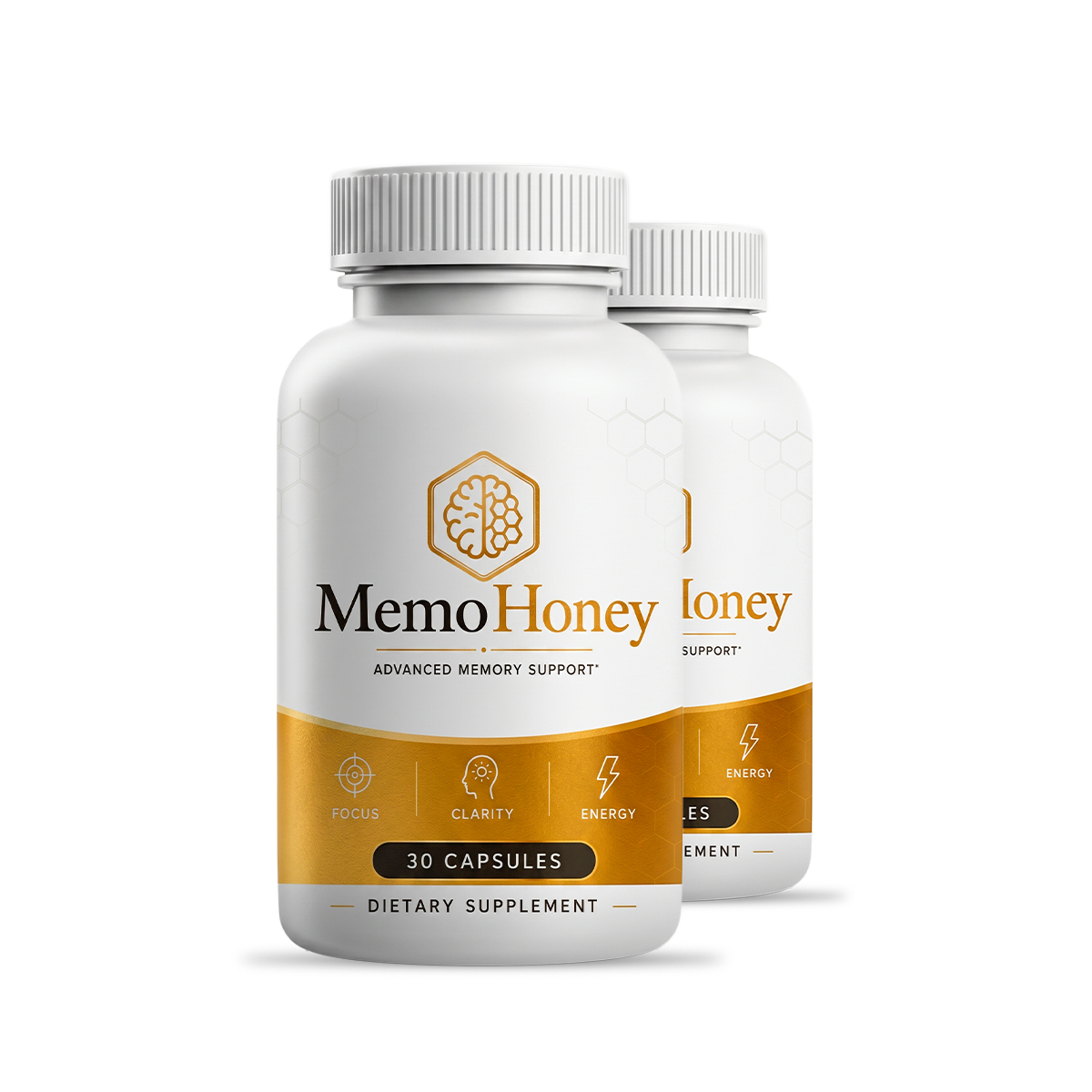
How This Relates to MemoHoney
We publish this kind of ingredient background so readers can judge any memory formula on its merits, including ours. The full list is on the MemoHoney ingredients page, and the how MemoHoney works page explains the thinking behind it.
Pricing, shipping and the guarantee are all set out on the MemoHoney official website. Read them calmly, check the label with your pharmacist if you take medication, and decide in your own time.
Key Takeaway
Clear thinking about folate (vitamin B9) protects both your health and your wallet. Take what is useful here, leave what does not apply to you and keep learning.
Check MemoHoney Official Pricing