Ginkgo Biloba: What the Evidence Shows
Evidence comes in different strengths, from lab experiments to large human trials. Knowing which kind supports a claim about Ginkgo biloba changes how much weight it deserves.
Ginkgo biloba extract comes from the leaves of one of the oldest living tree species on Earth. Most research uses a standardised leaf extract containing about 24 percent flavone glycosides and 6 percent terpene lactones.
It is traditionally linked with circulation to the brain, which is why it has been a fixture of memory products for decades. An ingredient list tells you what is in a product; it does not tell you whether the amounts match anything that has been studied. Understanding Ginkgo biloba individually closes part of that gap.
The Short Answer
Large trials in healthy older adults, including the Ginkgo Evaluation of Memory study of more than 3,000 people, did not find that ginkgo prevented cognitive decline or dementia. Some smaller trials in people with existing cognitive impairment reported modest benefits, so the overall picture is mixed. This is a good example of why details, not headlines, should guide decisions.
How Researchers Study Ginkgo Biloba
Much early work on botanicals and nutrients happens in cells or animals. Those findings can suggest mechanisms, but only human trials can show whether an ingredient changes how people actually think or remember.
Researchers have proposed several mechanisms for ginkgo, including effects on blood viscosity, antioxidant activity and protection of nerve cells, but none has translated into reliable prevention in large human trials. Interest has shifted toward whether it helps specific groups, such as people with existing mild impairment.
Duration is easy to overlook. A benefit measured after twelve weeks says little about the first few days, and short studies cannot reveal long-term effects.
Key Findings
- Standardised extracts are usually tested at 120 to 240 mg per day, split into two doses.
- Ginkgo is associated with blood flow because it appears to affect blood vessel tone and platelet activity.
- The Ginkgo Evaluation of Memory study followed participants for a median of about six years and found no reduction in dementia rates.
- Raw ginkgo seeds contain a toxin called ginkgotoxin and should never be eaten as a substitute for a leaf extract.
What the Evidence Does Not Prove
Finally, safety evidence matters as much as benefit evidence. Something with a small upside and a real risk is not a good trade for most people. A related misconception is worth naming: Ginkgo is proven to prevent dementia. In fact, the largest prevention trial found no effect on dementia rates in older adults followed for about six years.
Another claim often attached to this topic: Because it comes from a tree leaf, ginkgo cannot interact with medicines. In fact, Ginkgo can increase bleeding risk, particularly when combined with anticoagulants or antiplatelet medication.
Reading Claims Critically
Numbers such as 90 percent of users noticed a difference often come from unpublished surveys. Controlled trials are far more informative.
Practical Implications
If you want to act on this, begin with the following:
- Look for a standardised leaf extract rather than whole leaf powder.
- Stop ginkgo about two weeks before planned surgery or dental work unless your doctor advises otherwise.
- Tell your pharmacist if you take blood thinners, aspirin or antiplatelet drugs.
- Judge any change over weeks, not days.
A simple example helps. Consider someone who takes a daily aspirin for heart health and adds ginkgo because a friend recommended it. That combination is exactly the kind a pharmacist would want to know about before surgery or dental work.
MemoHoney and This Topic
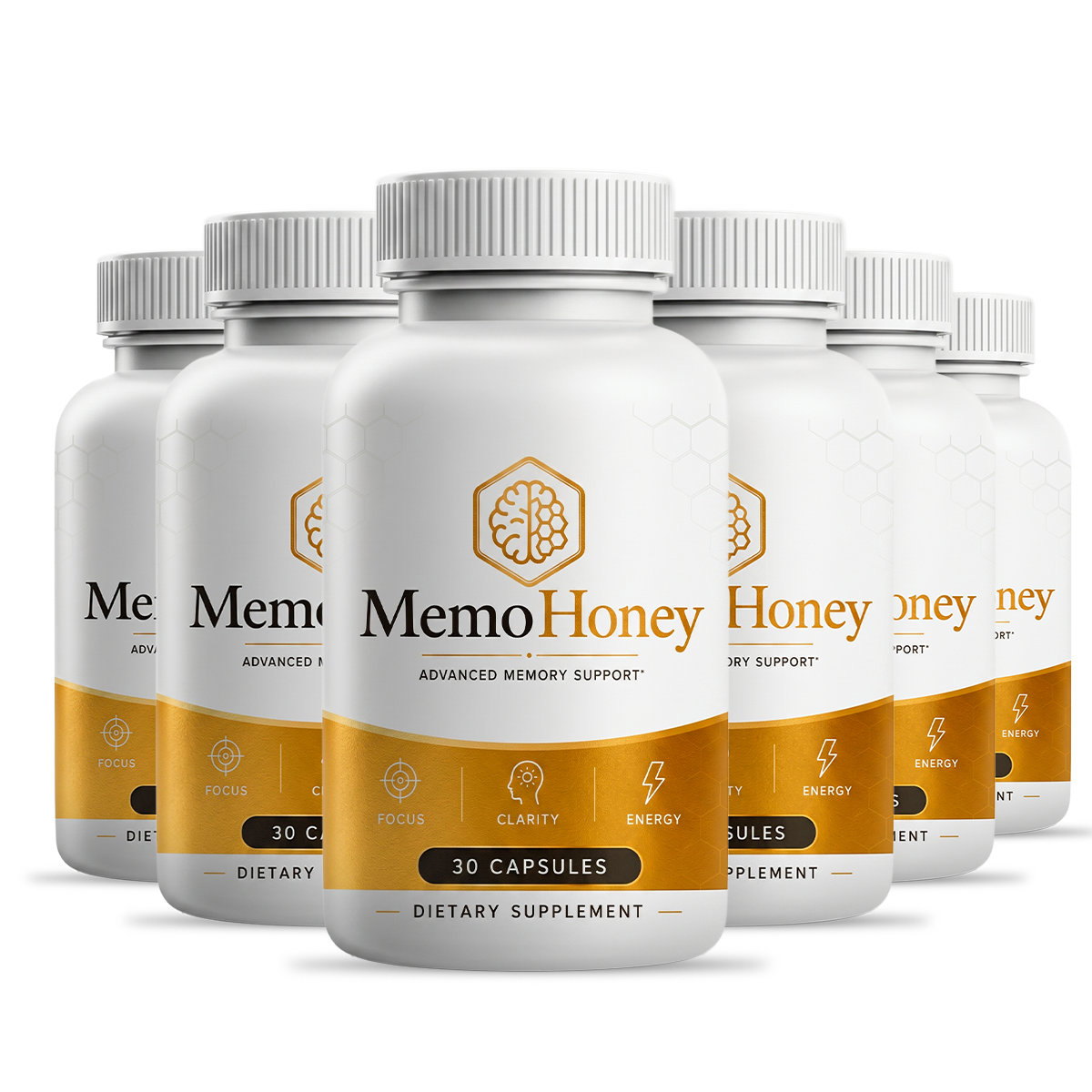
Understanding an ingredient is the first step; checking how it fits a real product is the second. You can see what MemoHoney contains on the MemoHoney ingredients page and read what it is designed to support on the MemoHoney benefits page.
When you are ready, you can compare bundle sizes on the MemoHoney official website. Choose a quantity that matches how long you plan to try it, and keep your confirmation email for the refund policy.
Summing Up
Ginkgo biloba is worth understanding because it shapes decisions you make every day. Focus on the facts that are well supported, stay sceptical of dramatic promises and involve a professional whenever health or medication is part of the picture.
Check MemoHoney Official Pricing