A Step-by-Step Guide to Sunlight and Your Body Clock
Below you will find a clear, step-by-step approach to sunlight and the body clock, along with the safety points worth knowing before you start.
Starting With the Basics
The body clock, or circadian rhythm, regulates sleep, alertness, hormones and body temperature over roughly 24 hours. Light, especially sunlight, is its most powerful signal. Outdoor light is many times brighter than typical indoor lighting, even on cloudy days.
The body clock is set by specialised light-sensitive cells in the eye that respond most strongly to blue-rich daylight. They signal a small brain region called the suprachiasmatic nucleus, the master clock.
A well-set body clock brings better sleep at night and sharper focus during the day. Everyday habits are some of the best-studied tools for brain health, and they cost little or nothing to adopt.
A Simple Checklist
These practical steps are a sensible place to start:
- Spend 10 to 30 minutes outdoors in the morning.
- Work near a window where possible.
- Dim lights in the evening.
- Keep a regular sleep and wake schedule.
Here is how this plays out in everyday life. A remote worker who spends all day indoors under dim lighting may feel groggy in the morning and wired at night. A short morning walk can help realign that pattern.
Why these particular steps? Two details explain it. Morning light exposure helps regulate melatonin timing. Evening screen light can delay sleep onset.
Why the Research Backs This
Research shows morning light advances the body clock and helps people fall asleep earlier, while bright light late in the evening delays it. Studies in offices and schools link greater daylight exposure with better sleep and alertness.
Pitfalls to Watch For
Another is being inconsistent at weekends, which undoes much of the progress made during the week, particularly for sleep. The most common mistake is aiming too high too soon. Habits that feel easy are the ones that last long enough to make a difference.
Two misconceptions also trip people up. The first is that indoor lighting is as good as daylight. In reality, outdoor light is far brighter and a much stronger signal for the body clock. The second is that the body clock only affects sleep. Actually, it influences alertness, mood, hormones and many other functions.
Important Safety Points
Tracking Your Progress
Choose one or two measures that matter to you, such as how often you lose your train of thought or how quickly names come back, and rate them weekly on a one-to-five scale.
Quick Reference
- Shift work disrupts the body clock and is linked with memory complaints.
- Seasonal changes in daylight affect mood and energy for some people.
- Vitamin D is made in the skin with sunlight but is a separate issue from the body clock.
MedlinePlus is a useful source for checking claims independently.
A Few More Points to Consider
Your doctor is a partner in brain health, not only someone to see when problems arise. Regular check-ups catch treatable issues such as high blood pressure, vitamin deficiencies and hearing loss early.
Notice what gets in the way. If a habit keeps slipping, adjusting the time, place or size of the task is usually more effective than relying on willpower.
Tracking a habit on a calendar or app can help, but it does not need to be perfect. Missing a day occasionally has little effect on long-term progress, as long as you return to the routine.
Many of these habits reinforce each other. Better sleep makes exercise easier, exercise improves mood, and a better mood makes healthy eating more likely.
A Note on MemoHoney
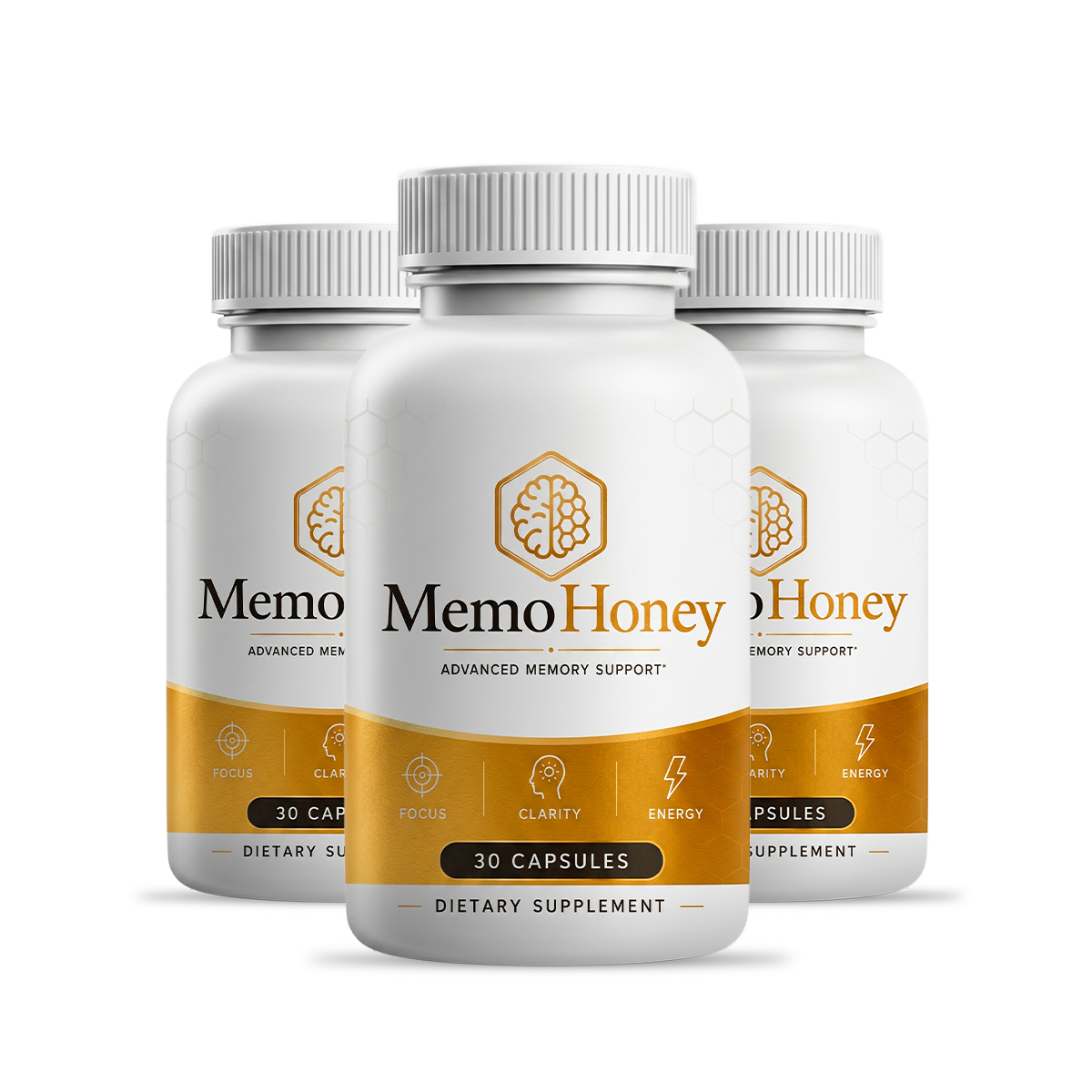
MemoHoney is made for adults who want to support everyday memory and focus without relying on harsh stimulants. The benefits page and the ingredients page together give a complete picture.
Current bundles and the MemoHoney sale pricing are listed on the MemoHoney official website. Each bottle holds 30 capsules, which is one month at the labelled serving.
Summing Up
The bottom line on sunlight and the body clock is simple: facts over hype, consistency over intensity and safety first. Everything else builds from there.
Check MemoHoney Official Pricing