Sleep Hygiene for Memory: Separating Myth From Fact
Myth-busting is not about being negative. It is about giving you an accurate picture of sleep hygiene so that your expectations match reality.
Sleep hygiene is the collection of habits and conditions that make good sleep more likely, from a regular schedule to a dark, cool bedroom. It is often the first recommendation for people who want sharper days. No supplement can replace the basics, but the basics can make any sensible routine work better.
Why Myths About Sleep Hygiene for Memory Spread
Because habits are personal, individual stories spread easily and can seem more convincing than population research. Because sleep consolidates memory, improving it can do more for recall than almost any product.
Myth 1: Everyone needs exactly eight hours
Fact: Needs vary, but most adults need at least seven hours. A consistent wake time anchors the body clock more than a consistent bedtime.
Myth 2: A nightcap improves sleep
Fact: Alcohol fragments sleep and reduces its quality. A bedroom temperature around the mid-60s Fahrenheit suits many people.
Myth 3: Supplements can make up for poor habits
Fact: No product replaces sleep, activity and a balanced diet.
Myth 4: You need a lot of time for habits to make a difference
Fact: Short daily habits, repeated consistently, can have meaningful effects.
Facts to Keep
- Alcohol may help you fall asleep but disrupts sleep later in the night.
- Bright light in the morning helps set the body clock.
- Heavy meals close to bedtime can interfere with sleep.
- Lying awake for long periods can strengthen the link between bed and wakefulness.
The Research Behind the Facts
The American Academy of Sleep Medicine recommends at least seven hours a night for adults. Cognitive behavioural therapy for insomnia, which includes sleep hygiene elements, is recommended as a first-line treatment for chronic insomnia. It is also worth remembering what has not been tested. Many common claims simply have no studies behind them, which is different from having studies that failed.
Sleep hygiene works best as part of a broader approach. For persistent insomnia, cognitive behavioural therapy for insomnia teaches techniques such as stimulus control and sleep restriction that go beyond simple tips.
For a second opinion from a public source, see the National Center for Complementary and Integrative Health.
Practical Alternatives
A few simple actions put this knowledge to work:
- Keep the same wake time seven days a week.
- Get outdoor light within an hour of waking.
- Wind down for 30 minutes without screens before bed.
- Get up and do something calm if you cannot sleep after about 20 minutes.
Consider a common scenario. Someone who scrolls their phone in bed for an hour most nights may find that moving the charger to the kitchen is the single most effective sleep change they make.
Beyond the Basics
Your doctor is a partner in brain health, not only someone to see when problems arise. Regular check-ups catch treatable issues such as high blood pressure, vitamin deficiencies and hearing loss early.
Tracking a habit on a calendar or app can help, but it does not need to be perfect. Missing a day occasionally has little effect on long-term progress, as long as you return to the routine.
Progress is rarely linear. There will be weeks when life gets in the way, and that is normal. What matters is returning to the habit rather than abandoning it.
Health guidelines are designed for populations, not individuals. If you have a medical condition, a doctor can help adapt general advice on exercise, diet or sleep to your circumstances.
How This Relates to MemoHoney
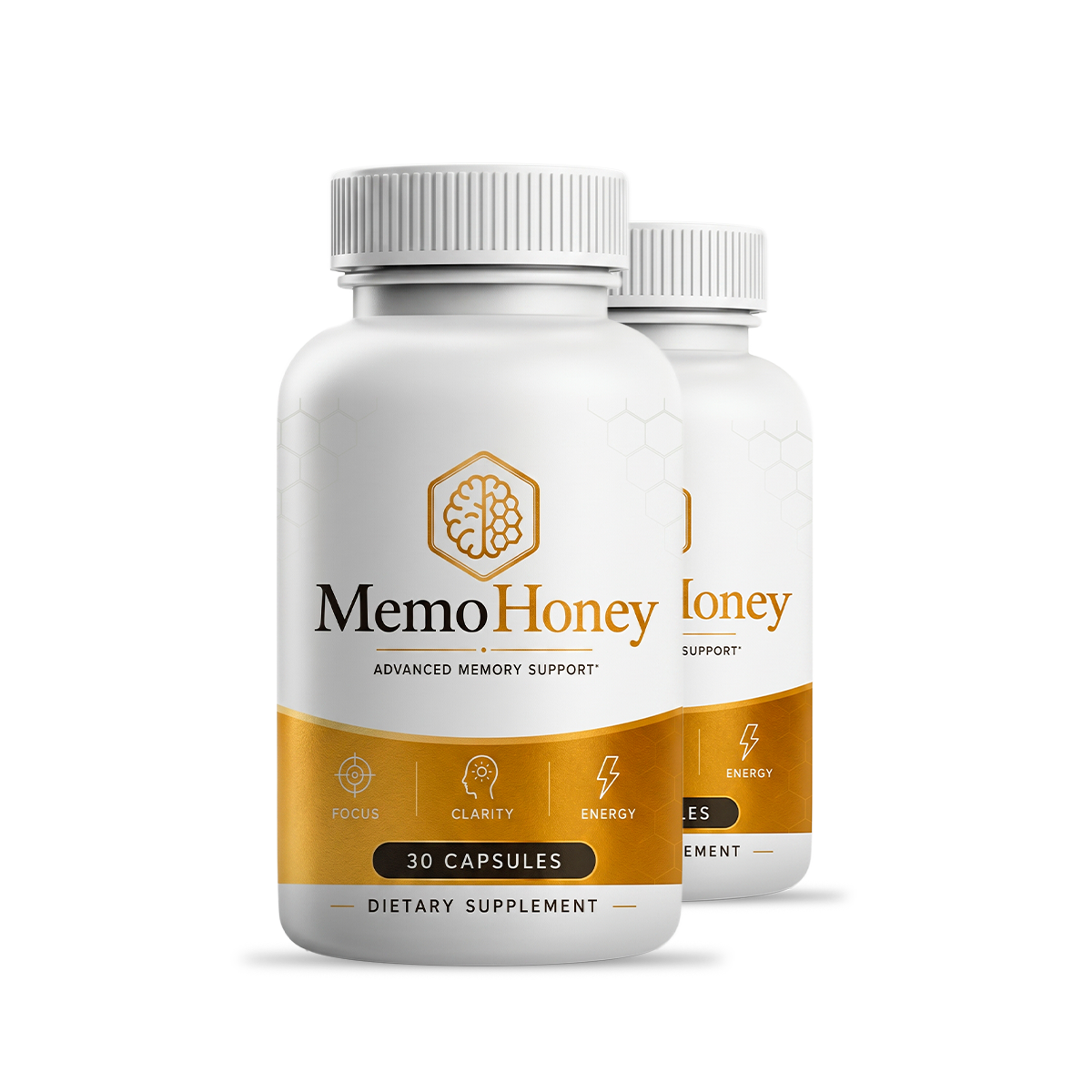
If you are exploring supplements alongside lifestyle changes, our MemoHoney ingredients page lists what is in each capsule, and the MemoHoney reviews page gives an honest summary of pros and cons.
Pricing, shipping and the guarantee are all set out on the MemoHoney official website. Read them calmly, check the label with your pharmacist if you take medication, and decide in your own time.
Key Takeaway
When it comes to sleep hygiene, the most reliable path is also the least exciting: accurate information, realistic expectations and steady habits. That combination rarely disappoints.
Check MemoHoney Official Pricing