The Science Behind Strength Training and the Brain
Evidence comes in different strengths, from lab experiments to large human trials. Knowing which kind supports a claim about strength training and the brain changes how much weight it deserves.
Strength or resistance training uses weights, bands or body weight to build muscle. It is increasingly recognised as good for the brain as well as the body.
It adds a different kind of benefit to aerobic exercise and helps protect independence with age. Everyday habits are some of the best-studied tools for brain health, and they cost little or nothing to adopt.
The Evidence in Brief
Meta-analyses in older adults suggest resistance training can improve executive function, the skills used for planning and self-control. The SMART trial in older adults with mild cognitive impairment found improvements in global cognition after six months of resistance training. The rest of this article explains what sits behind that summary.
How the Evidence Is Gathered
Many habit studies track people for years, measuring how daily routines relate to later memory and brain health.
Resistance training may benefit the brain by improving blood sugar control, reducing inflammation and releasing growth factors from muscle that travel to the brain. Research on these muscle-brain signals is still developing.
Funding and publication bias can tilt the literature. Positive results are more likely to be published, so a handful of encouraging studies may overstate the true effect.
Key Findings
- US guidelines recommend muscle-strengthening activities on two or more days a week.
- Resistance training improves blood sugar control and sleep quality.
- Maintaining strength reduces the risk of falls, which can cause head injuries.
- Bodyweight exercises such as squats and push-ups count as strength training.
- Benefits are seen even in people who start in their 70s and 80s.
- Combining strength and aerobic training appears to offer the broadest benefits.
Important Limitations
Where studies disagree, the most cautious interpretation is usually the safest one to act on. A related misconception is worth naming: Strength training is only for young people. In fact, older adults benefit substantially, including for brain health and independence.
A second misreading of the evidence: You need heavy weights to benefit. In fact, bodyweight and light-resistance exercises provide real benefits.
How to Judge What You Read
Be wary of before-and-after stories, celebrity endorsements and phrases such as scientifically proven with no study named. Genuine evidence can be looked up and checked.
You can cross-check what you read here against the National Center for Complementary and Integrative Health, which has no product to sell.
Practical Implications
The most useful actions are also the simplest:
- Start with two short sessions a week.
- Learn correct technique from a qualified trainer or reliable video.
- Use resistance bands at home.
- Increase difficulty gradually as you get stronger.
A real-world example makes this clearer. An older adult who does squats from a chair, wall push-ups and resistance band rows twice a week can build meaningful strength at home in 20 minutes.
Beyond the Basics
Involving family or friends makes habits more enjoyable and more likely to last. A shared walk, a regular phone call or cooking together adds social connection to the benefit.
Many brain-healthy habits overlap. Walking outdoors combines movement, daylight and often social contact, while cooking at home supports both diet quality and a sense of routine.
Health guidelines are designed for populations, not individuals. If you have a medical condition, a doctor can help adapt general advice on exercise, diet or sleep to your circumstances.
MemoHoney and This Topic
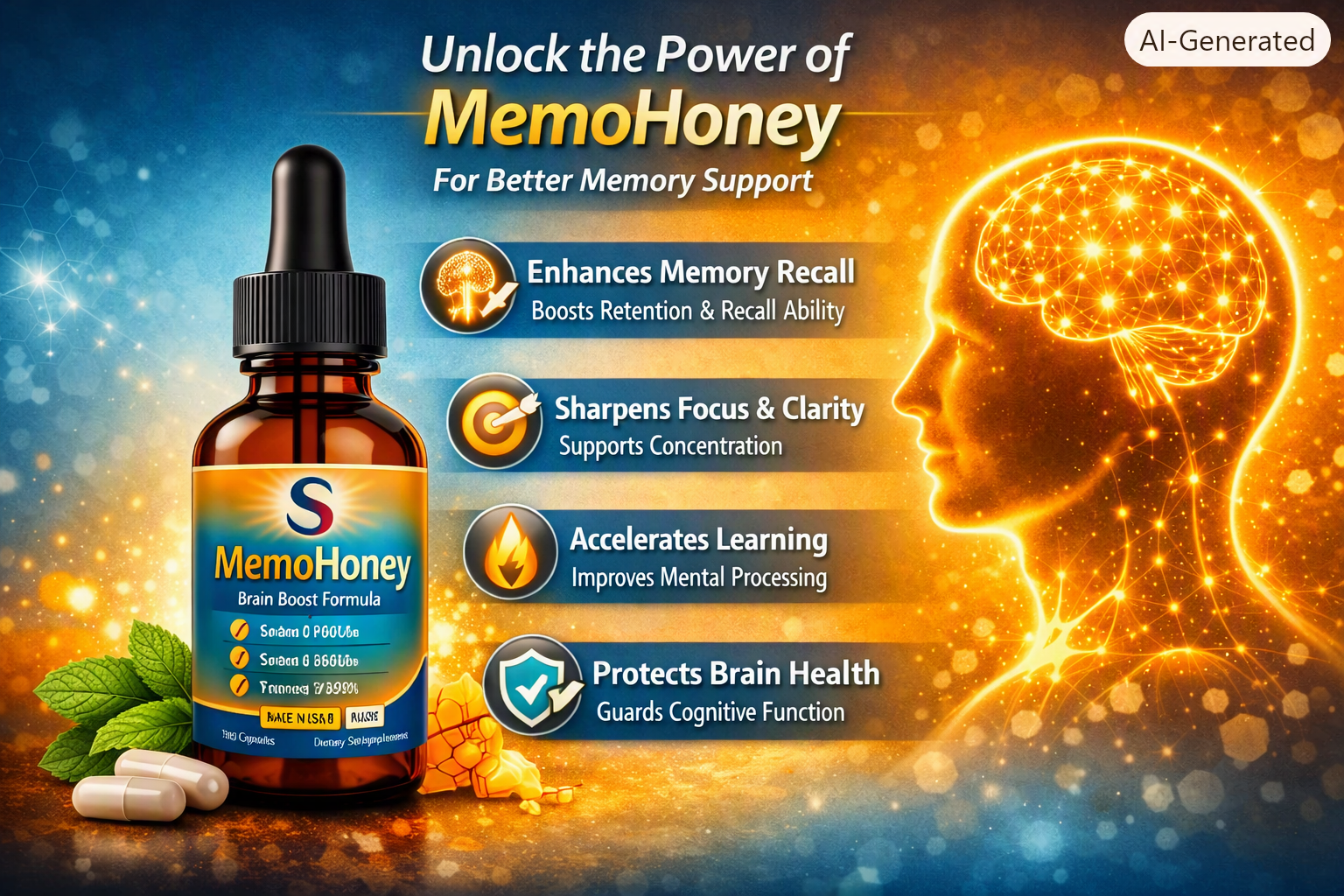
MemoHoney is a once-daily capsule formulated to support memory, focus and mental clarity, and it is designed to sit alongside habits like these rather than replace them. You can read what MemoHoney is and how MemoHoney works before deciding whether it suits you.
To avoid counterfeit stock, order only from the MemoHoney official website, where the MemoHoney discount is applied automatically to multi-bottle bundles.
Summing Up
There is no shortcut around the basics, but understanding strength training and the brain helps you make better use of them. Keep this guide handy and revisit it when new claims come your way.
Check MemoHoney Official Pricing