The Science of Napping FAQ: Straight Answers
We have organised this guide to napping around real questions, so you can jump to the part that matters most to you.
What is the short explanation of napping?
A nap is a short period of daytime sleep. Done well, it can restore alertness and support memory; done poorly, it can leave you groggy and disrupt night-time sleep. Timing and length make the difference between a helpful nap and an unhelpful one.
Why is this worth understanding?
No supplement can replace the basics, but the basics can make any sensible routine work better. Frequent long daytime naps in older adults can be a sign to check sleep quality.
Is there good evidence behind this?
NASA research on pilots found a planned nap of about 26 minutes improved performance and alertness. Studies show naps can boost memory for material learned beforehand, but long or late naps are linked with poorer night-time sleep. Naps of 10 to 20 minutes usually avoid deep sleep and grogginess.
Sleep inertia, the grogginess after waking, is strongest when you wake from deep sleep. Short naps usually end before deep sleep begins, while longer naps risk waking in the middle of it.
What are the key facts to remember?
- Longer naps of around 90 minutes include a full sleep cycle.
- Early afternoon is the best time for most people to nap.
- Napping late in the day can make it harder to fall asleep at night.
- A coffee nap, drinking coffee just before a short nap, is used by some people to wake refreshed.
Who should be careful?
Needing to nap every day despite a full night's sleep can signal sleep apnoea or another condition and should be checked by a doctor. When in doubt, a short conversation with a pharmacist is the quickest way to check your specific situation.
What practical steps help?
- Keep naps to 20 minutes unless you have time for a full cycle.
- Nap before about 3pm.
- Set an alarm.
- Use a dark, quiet spot if possible.
What does this look like in real life?
A shift worker who naps for 20 minutes before a night shift often feels more alert during the early hours than one who skips the nap entirely.
What do people often get wrong?
Many people believe that longer naps are always better. Mid-length naps often cause grogginess known as sleep inertia.
A second belief is that napping is a sign of laziness. In reality, short naps are a proven way to restore alertness and support learning. Another frequent error: the most common mistake is aiming too high too soon. Habits that feel easy are the ones that last long enough to make a difference.
How do you judge results fairly?
Compare like with like. A stressful week will feel worse regardless of anything else you do, so note major events alongside your ratings.
What else should readers keep in mind?
When you read about health online, favour sources that cite their evidence, name their authors and separate advertising from editorial content. Government health agencies and peer-reviewed reviews are good places to start.
Habits are easier to keep when they are attached to something you already do, such as a morning coffee or an evening walk. This technique, sometimes called habit stacking, reduces the need for willpower.
Health guidelines are designed for populations, not individuals. If you have a medical condition, a doctor can help adapt general advice on exercise, diet or sleep to your circumstances.
Above all, keep expectations realistic. Brain health improves through many small decisions made consistently, not through any single change.
Habits are easiest to build when they are small and specific. Deciding to walk for ten minutes after lunch works better than a vague intention to exercise more.
Is MemoHoney relevant here?
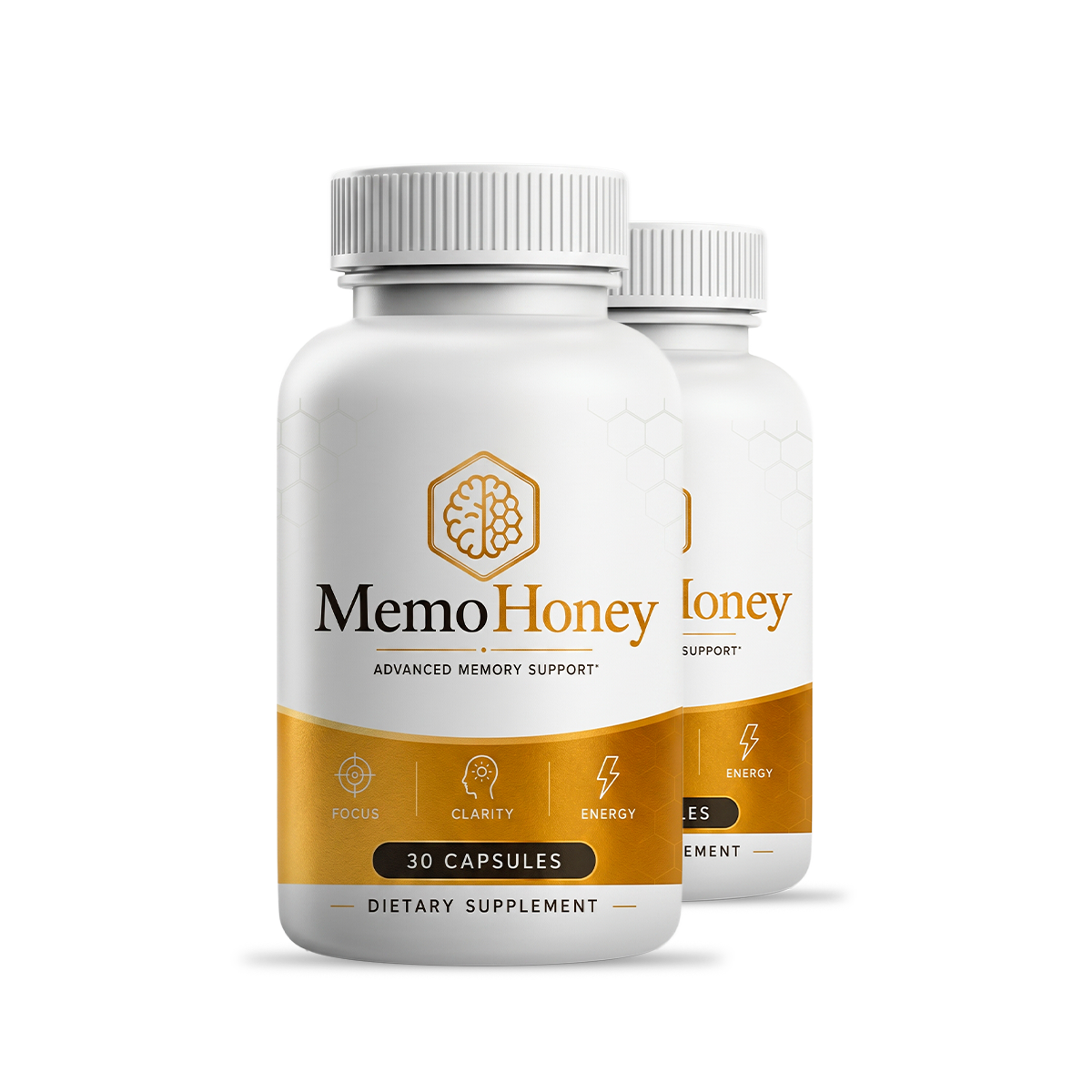
If you are exploring supplements alongside lifestyle changes, our MemoHoney ingredients page lists what is in each capsule, and the MemoHoney reviews page gives an honest summary of pros and cons.
You will find the latest MemoHoney offers on the MemoHoney official website. As with any supplement, speak to a healthcare professional first if you have a medical condition or take prescription medicine.
So what should you do?
Napping rewards a careful, curious approach. Ask good questions, check your sources and remember that your doctor or pharmacist is an ally in every decision.
Check MemoHoney Official Pricing