Common Questions About Alcohol and Memory
We have organised this guide to alcohol and memory around real questions, so you can jump to the part that matters most to you.
Where should a beginner start with alcohol and memory?
Alcohol affects memory in the short term, by interfering with the formation of new memories, and in the long term, through its effects on brain structure. The more you drink, the greater the effects. Cutting back is one of the most direct changes you can make for brain health.
Why should you care about this?
What you do most days matters more than what you do occasionally. That is why routine habits like this deserve attention. Several drink-free days a week reduce total intake.
What have studies found?
Heavy drinking is associated with brain shrinkage and a higher risk of dementia, and the Lancet Commission lists excessive alcohol as a modifiable risk factor. A large UK Biobank study found associations between even moderate drinking and lower brain volume. Blackouts happen when alcohol blocks memory formation in the hippocampus.
Alcohol-related brain changes are partly reversible. Studies of people who stop heavy drinking show some recovery in brain volume and thinking skills over months, which is an encouraging reason to cut down at any age.
What facts are worth knowing?
- Alcohol disrupts REM sleep, which affects memory consolidation.
- Long-term heavy drinking can cause thiamine deficiency and serious memory disorders.
- US dietary guidelines advise no more than two drinks a day for men and one for women, if people drink at all.
- Alcohol interacts with many medicines, including sleep aids and pain relievers.
Who should be careful?
If you find it hard to cut down, or notice memory gaps after drinking, speak to a doctor. Support for reducing alcohol is widely available and effective. If you are pregnant, breastfeeding, under 18 or managing a medical condition, speak with a healthcare professional before making changes.
How do you put this into practice?
- Track how many drinks you have in a typical week.
- Alternate alcoholic drinks with water.
- Choose alcohol-free days each week.
- Avoid drinking close to bedtime.
Can you give an everyday example?
Someone who drinks two glasses of wine most evenings might start with three alcohol-free nights a week and notice better sleep within a fortnight.
Which myth comes up most?
Many people believe that alcohol only affects memory when you are drunk. Regular drinking can affect sleep and brain structure over time.
A second belief is that a glass of red wine protects the brain. In reality, evidence for any brain benefit from alcohol is weak, and risks rise with intake. Another frequent error: another is being inconsistent at weekends, which undoes much of the progress made during the week, particularly for sleep.
How do you judge results fairly?
The simplest way to judge progress is a one-minute note each day: how you slept, how focused you felt and anything unusual. After a month, patterns become visible that you would never notice day to day.
Any other points to consider?
Small improvements add up. A little more sleep, a slightly better diet and a short daily walk may each seem minor, but together they support the brain in several ways at once.
Reliable information is one of the best tools you have. Take the time to understand a topic before acting on it, and you will make better decisions.
Tracking a habit on a calendar or app can help, but it does not need to be perfect. Missing a day occasionally has little effect on long-term progress, as long as you return to the routine.
Your doctor is a partner in brain health, not only someone to see when problems arise. Regular check-ups catch treatable issues such as high blood pressure, vitamin deficiencies and hearing loss early.
Is MemoHoney relevant here?
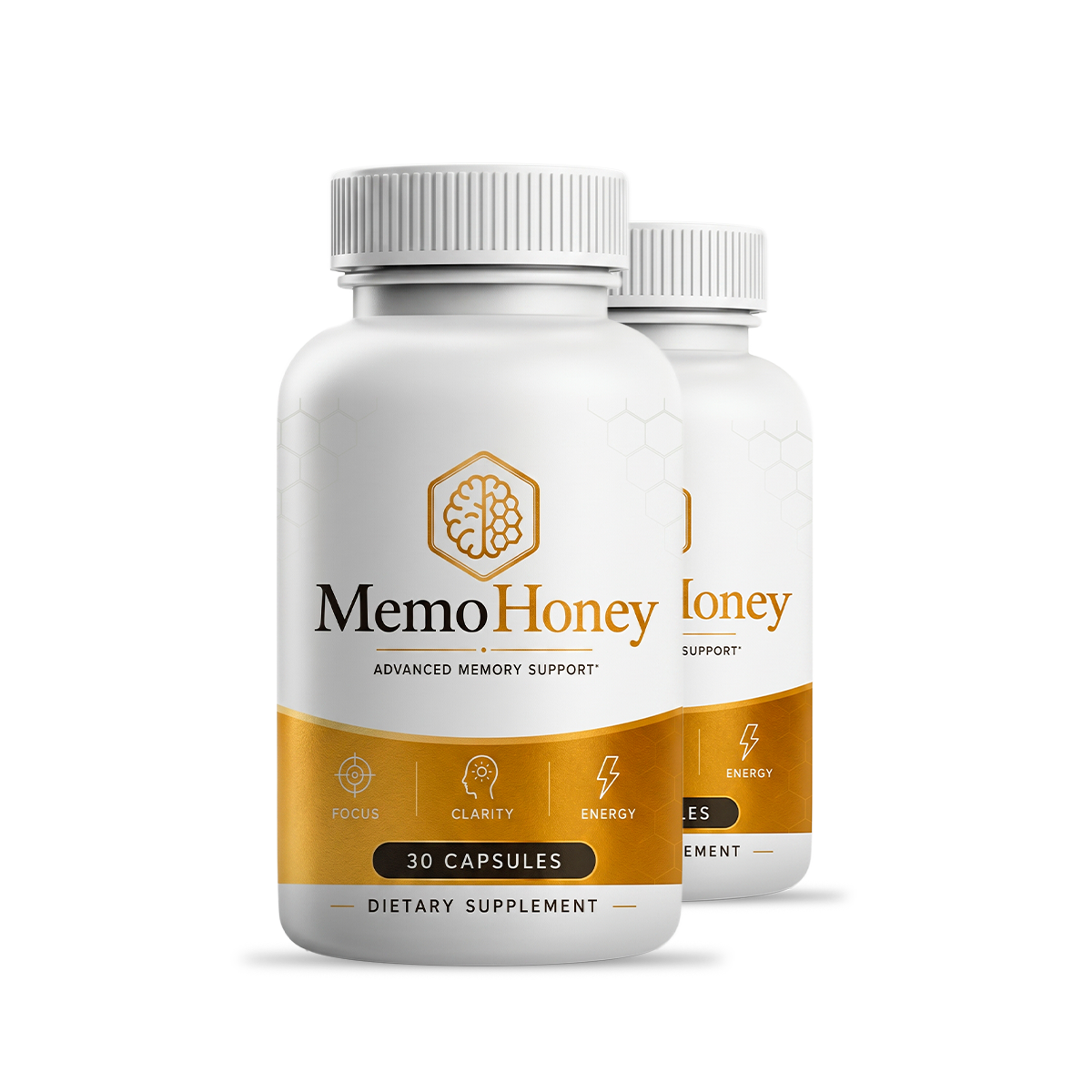
Supplements work best when expectations are realistic. MemoHoney is designed for consistent daily use over weeks, not for an instant effect, and our MemoHoney reviews page is open about that.
If you decide to try it, the current MemoHoney discount is shown in the pricing section of the MemoHoney official website, with 2, 3 and 6 bottle options and a 60-day refund window from the purchase date.
What is the key takeaway?
The bottom line on alcohol and memory is simple: facts over hype, consistency over intensity and safety first. Everything else builds from there.
Check MemoHoney Official Pricing