Understanding Stress and Memory: The Essentials
Few corners of everyday brain health attract as many half-truths as stress, cortisol and memory. Here we set out what it is, why people care about it and what the better evidence actually says.
Starting With the Basics
Stress triggers the release of hormones such as adrenaline and cortisol. In short bursts they sharpen attention, but prolonged high levels can interfere with how the brain learns and retrieves information.
Cortisol follows a daily rhythm, normally peaking shortly after waking. Acute stress tends to strengthen memory for the stressful event itself.
Why People Pay Attention to This
If your memory feels worse during demanding periods, stress may be doing more of the damage than ageing. Brain science can sound abstract, but it has direct practical consequences for how you sleep, work and learn.
What the Research Shows
Laboratory studies show acute stress can impair retrieval, which is why people blank during exams. Long-term studies link chronic stress and high cortisol with poorer memory and changes in the hippocampus and prefrontal cortex. Much of what we know about memory comes from carefully designed experiments in which volunteers learn material and are tested later under different conditions, such as after sleep or under stress.
The hippocampus has many receptors for stress hormones, which helps it regulate the stress response but also makes it sensitive to prolonged exposure. The prefrontal cortex, which supports working memory, is similarly affected, which is why stress makes it harder to think flexibly.
Duration is easy to overlook. A benefit measured after twelve weeks says little about the first few days, and short studies cannot reveal long-term effects.
For independent background, the National Institute on Aging is a reliable, non-commercial place to start.
Details Worth Knowing
- Stress at the moment of recall makes retrieval harder, a common cause of blanking.
- Chronic stress is linked with poorer sleep, which further harms memory.
- Regular exercise and social support are both associated with healthier stress responses.
- Slow breathing activates the parasympathetic nervous system, which counters the stress response.
Pitfalls to Watch For
Another is looking for a single fix while ignoring the basics of sleep, stress and physical health, which drive so much of how the brain performs.
One misconception comes up often: All stress is bad for memory. In reality, brief, manageable stress can sharpen attention; the problem is intense or prolonged stress.
A second belief deserves a closer look. A supplement can cancel out a stressful lifestyle. The evidence points elsewhere: no product replaces sleep, recovery and dealing with the source of stress.
What You Can Do
If you want to act on this, begin with the following:
- Build short recovery breaks into busy days.
- Practise retrieval under mild pressure before important events.
- Use slow breathing before presentations or exams.
- Talk to someone you trust when pressure builds.
A real-world example makes this clearer. A speaker who knows their presentation perfectly may go blank when they see a packed room. Rehearsing in front of a small audience first makes the real event feel less threatening and retrieval easier.
The simplest way to judge progress is a one-minute note each day: how you slept, how focused you felt and anything unusual. After a month, patterns become visible that you would never notice day to day.
Other Things Worth Knowing
It is reassuring to know that the brain is remarkably resilient. Many of the factors that affect memory, from sleep to blood pressure, respond to changes you can make at almost any age.
How This Relates to MemoHoney
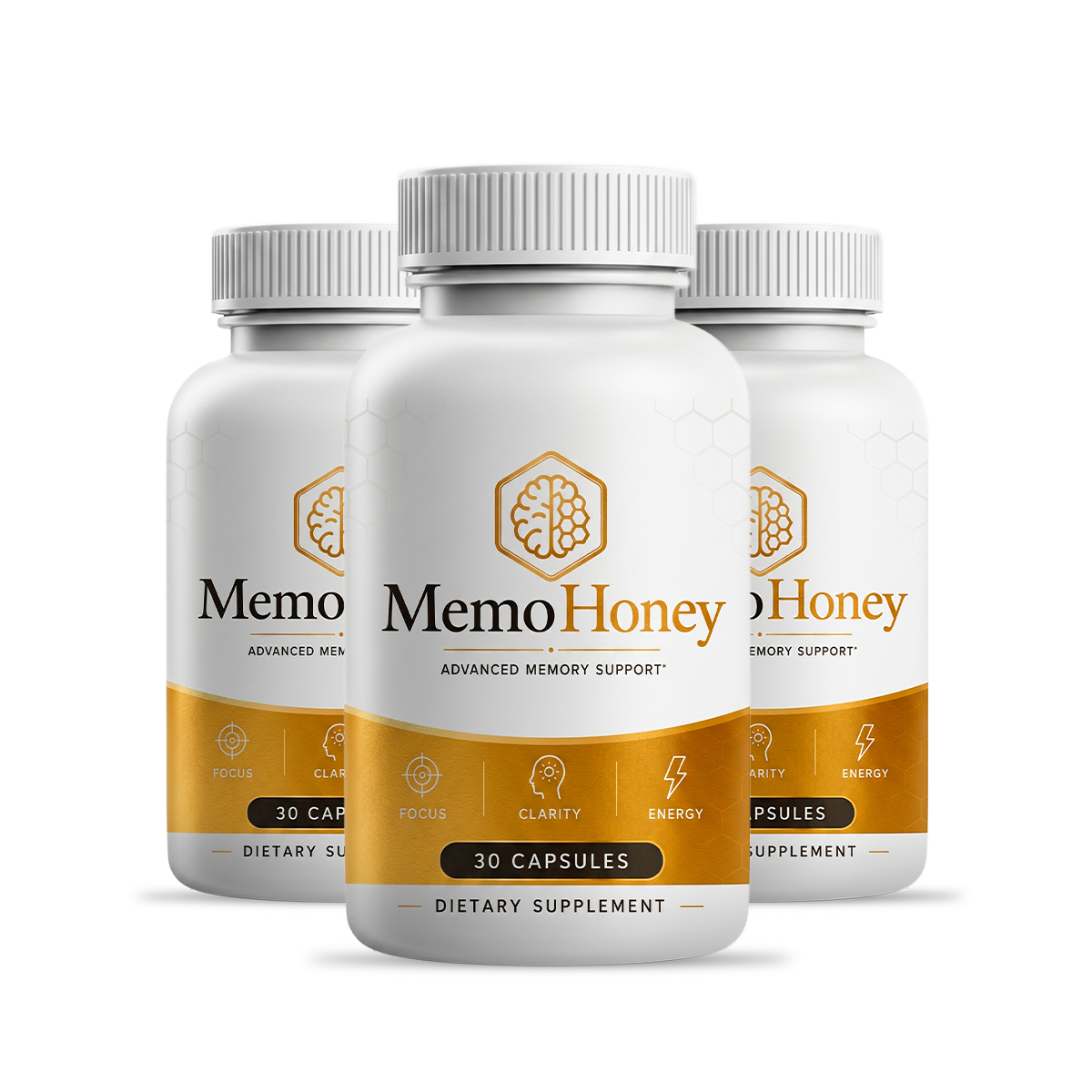
No capsule can substitute for the habits described above. MemoHoney is intended as one small part of a routine that already includes sleep, movement and good nutrition. The MemoHoney benefits page explains what it is formulated to support.
The MemoHoney official website is the only authorised place to order. There you can see the official MemoHoney pricing and the terms of the 60-day guarantee side by side.
Final Thoughts
Stress, cortisol and memory rewards a careful, curious approach. Ask good questions, check your sources and remember that your doctor or pharmacist is an ally in every decision.
Check MemoHoney Official Pricing