How Memories Form: What It Means for Your Routine
People often understand how memories form in principle but struggle to apply it. The checklist below breaks things down into small, realistic steps.
The Basics of How Memories Form
Memory is not a single filing cabinet but a process with three broad stages: encoding, when information is first taken in; consolidation, when it is stabilised; and retrieval, when it is brought back. A problem at any stage can feel like forgetting. Encoding depends heavily on attention; information you never properly noticed cannot be recalled later.
Different memory systems handle different jobs. Episodic memory stores events, semantic memory stores facts, and procedural memory stores skills such as riding a bike. Damage or ageing can affect one system while sparing the others, which is why someone might forget a recent conversation yet still play the piano well.
Knowing which stage is struggling helps you pick the right fix, whether that is better attention, better sleep or better practice. The better you understand the biology, the less vulnerable you are to exaggerated promises about quick fixes.
A Simple Checklist
The most useful actions are also the simplest:
- Reduce distractions when you need to learn something new.
- Test yourself instead of rereading notes.
- Protect sleep on nights after important learning.
- Link new information to something you already know well.
Consider a common scenario. If you forget where you parked, the problem was probably encoding: you were thinking about something else as you locked the car. Pausing for two seconds to notice the spot is often all it takes.
It helps to know why these steps matter. Consolidation continues for hours and days after learning, much of it during sleep. Every act of retrieval slightly changes a memory, a process researchers call reconsolidation.
Why the Research Backs This
Neuroscience research, including decades of work on patients with hippocampal damage, shows that different brain systems handle different kinds of memory. Laboratory studies consistently find that attention during encoding and sleep after learning are two of the strongest predictors of what we keep.
Where People Go Wrong
A common mistake is treating every memory slip as a sign of decline. Ordinary forgetting is part of how a healthy brain filters information. Another is looking for a single fix while ignoring the basics of sleep, stress and physical health, which drive so much of how the brain performs.
Two misconceptions also trip people up. The first is that memories are stored like recordings that replay exactly. In reality, memories are reconstructed each time and can shift with every recall. The second is that if you forget something, it was never stored. Actually, often the memory exists but the retrieval cue is missing, which is why hints bring things back.
Who Should Be Careful
How to Tell Whether It Is Working
Be honest in your notes, including the days you skipped a habit. Accurate records are far more useful than flattering ones.
Facts to Keep in Mind
- Short-term memory holds a small amount of information for seconds, while long-term memory can last a lifetime.
- Emotion strengthens encoding, which is why vivid or stressful events are often remembered in detail.
- Practising retrieval, for example by self-testing, strengthens memories more than simply rereading.
The National Institute on Aging is a useful source for checking claims independently.
A Few More Points to Consider
Individual differences are large. Two people of the same age can have very different memory profiles, shaped by genetics, education, health and daily habits.
MemoHoney and This Topic
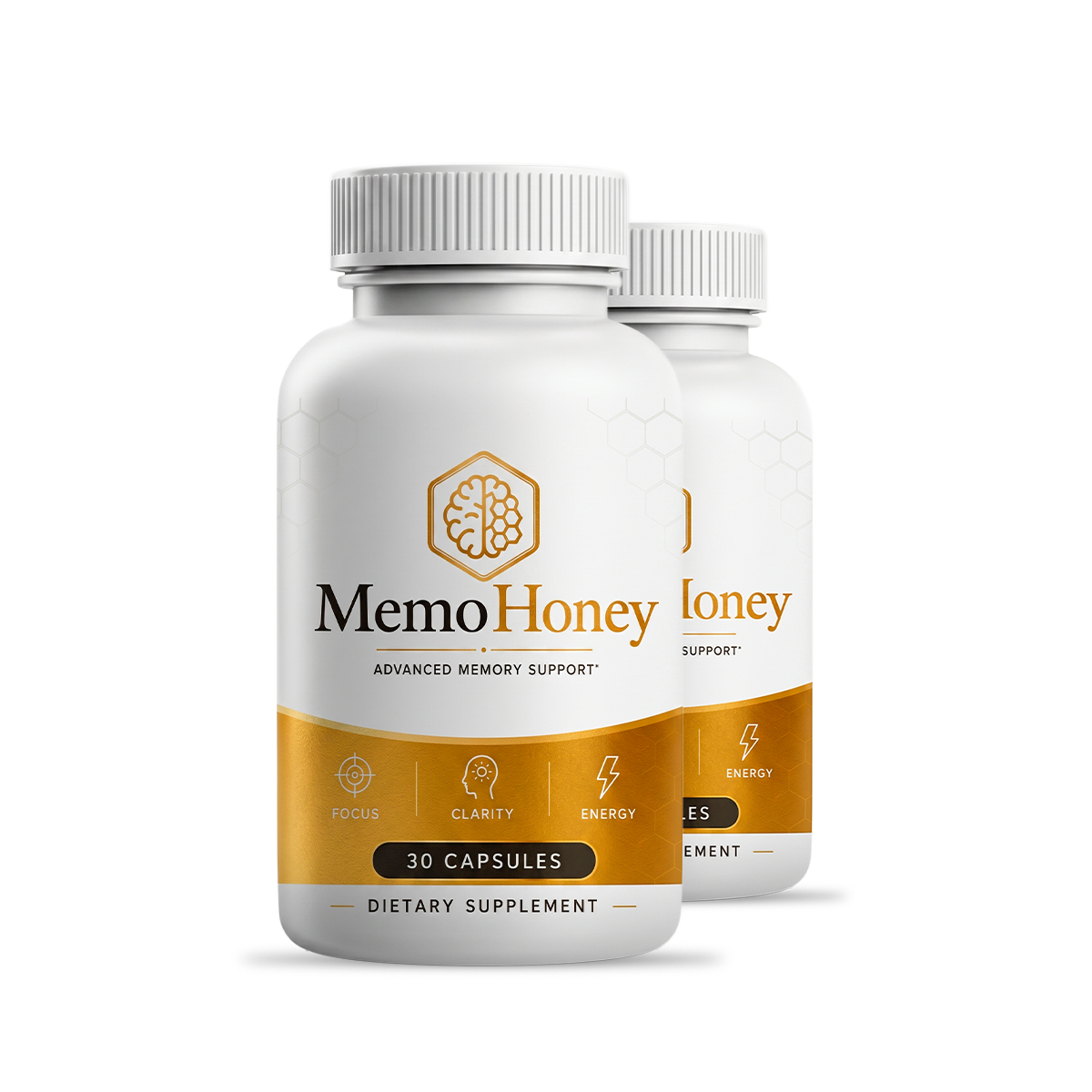
MemoHoney is made for adults who want to support everyday memory and focus without relying on harsh stimulants. The benefits page and the ingredients page together give a complete picture.
Current bundles and the MemoHoney sale pricing are listed on the MemoHoney official website. Each bottle holds 30 capsules, which is one month at the labelled serving.
Key Takeaway
Clear thinking about how memories form protects both your health and your wallet. Take what is useful here, leave what does not apply to you and keep learning.
Check MemoHoney Official Pricing