Blood Flow and the Brain: What Readers Ask Most
Whether you are new to the topic or checking a detail, these answers on blood flow to the brain should help you get your bearings quickly.
Where should a beginner start with blood flow to the brain?
The brain makes up about 2 percent of body weight but uses roughly 20 percent of the body's oxygen. It depends on a constant, well-regulated blood supply to deliver oxygen and glucose. Circulation is a common theme on brain-supplement labels, so it helps to know what actually protects it.
Why is this worth understanding?
The better you understand the biology, the less vulnerable you are to exaggerated promises about quick fixes. Dietary nitrates from beetroot and leafy greens are one natural source of nitric oxide.
What have studies found?
Research consistently links high blood pressure, diabetes, smoking and high cholesterol with vascular damage in the brain and higher dementia risk. Nitric oxide helps blood vessels relax, but most evidence for protecting brain blood flow comes from managing cardiovascular risk factors rather than supplements. The brain receives roughly 15 percent of the heart's output at rest.
The brain can adjust its own blood supply, sending more blood to active regions within seconds, a process called neurovascular coupling. Functional MRI scans rely on this effect to show which areas are working during a task.
What facts are worth knowing?
- Nitric oxide produced by the lining of blood vessels helps them widen.
- The SPRINT MIND trial found intensive blood pressure control reduced the risk of mild cognitive impairment.
- Small-vessel disease in the brain is a common contributor to age-related cognitive decline.
- Aerobic exercise improves blood vessel function throughout the body, including the brain.
When should you speak to a professional?
Never stop or reduce blood pressure medication in favour of a supplement. Sudden numbness, facial drooping or speech problems are signs of stroke and require emergency care. Bring the labels of everything you take to your next appointment so your doctor can see the full picture.
What can you do today?
- Know your blood pressure numbers and check them regularly.
- Aim for regular aerobic activity most days.
- Include leafy greens and beetroot in your diet.
- Do not smoke, and seek help to quit if you do.
What does this look like in real life?
Someone who has not checked their blood pressure in years may feel perfectly well. A simple pharmacy reading could reveal a problem that matters far more for long-term brain health than any supplement.
Which myth comes up most?
Many people believe that more nitric oxide is always better. Blood vessel tone is carefully balanced, and too much dilation can mean low blood pressure.
A second belief is that a circulation pill can make up for high blood pressure. In reality, controlling blood pressure with lifestyle and prescribed treatment has far stronger evidence. Another frequent error: people also underestimate how much attention shapes memory. Much of what feels like forgetting is really information that was never properly taken in.
How can you tell if changes are working?
Compare like with like. A stressful week will feel worse regardless of anything else you do, so note major events alongside your ratings.
What else should readers keep in mind?
Researchers continue to refine their understanding, and some details in this field may change as new studies are published. The broad principles, however, have proven remarkably stable.
Many everyday lapses reflect attention rather than memory. If information never received full attention, there is nothing solid to retrieve later, however healthy the brain may be.
It is also worth revisiting this topic every so often, as your circumstances, health and routines change over the years.
How does this relate to MemoHoney?
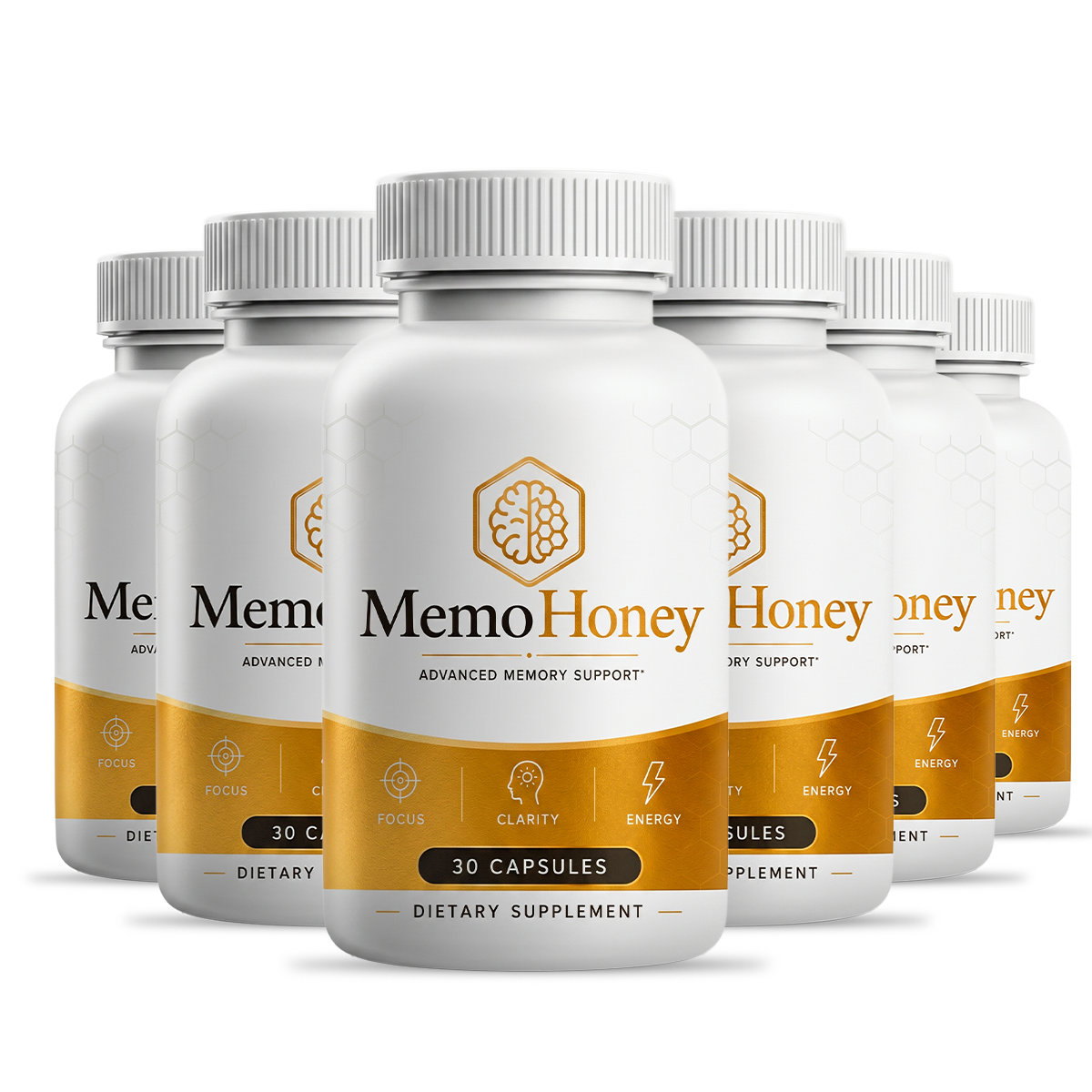
No capsule can substitute for the habits described above. MemoHoney is intended as one small part of a routine that already includes sleep, movement and good nutrition. The MemoHoney benefits page explains what it is formulated to support.
Current bundles and the MemoHoney sale pricing are listed on the MemoHoney official website. Each bottle holds 30 capsules, which is one month at the labelled serving.
So what should you do?
Clear thinking about blood flow to the brain protects both your health and your wallet. Take what is useful here, leave what does not apply to you and keep learning.
Check MemoHoney Official Pricing