Oxidative Stress and the Brain: What the Evidence Shows
Our editors reviewed the main research and official guidance behind oxidative stress in the brain. This summary explains the findings in plain English and flags where caution is warranted.
Oxidative stress happens when unstable molecules called free radicals outnumber the body's antioxidant defences. The brain is especially vulnerable because it uses a lot of oxygen and contains fats that oxidise easily.
Antioxidant claims are everywhere in memory marketing, so it pays to know what the research actually supports. Memory and focus are not single abilities but systems with many parts. Knowing where oxidative stress in the brain fits helps you target the right part of the problem.
The Evidence in Brief
Laboratory research links oxidative damage with brain ageing and neurodegenerative disease. However, large trials of high-dose antioxidant supplements such as vitamin E and beta-carotene have generally not shown cognitive protection, while diets rich in fruits and vegetables are associated with better outcomes. That is a more measured picture than advertising usually paints, but it is also a more useful one.
How the Evidence Is Gathered
Long-term cohort studies follow thousands of people for years and link habits or health factors with later cognition. They reveal associations, while randomised trials are needed to show cause and effect.
The brain relies on antioxidant enzymes such as superoxide dismutase and on compounds like glutathione to keep free radicals in check. Some researchers now focus less on swallowing antioxidants and more on supporting the body's own defence systems through diet and exercise.
Duration is easy to overlook. A benefit measured after twelve weeks says little about the first few days, and short studies cannot reveal long-term effects.
What the Studies Point To
- Free radicals are a normal by-product of metabolism and also play useful signalling roles.
- The body produces its own antioxidants, including glutathione.
- Berries, leafy greens, nuts and tea supply many dietary antioxidants.
- High-dose beta-carotene supplements increased lung cancer risk in smokers in large trials.
- Exercise briefly increases free radicals but strengthens antioxidant defences over time.
- Smoking and heavy alcohol use greatly increase oxidative stress.
What the Evidence Does Not Prove
Where studies disagree, the most cautious interpretation is usually the safest one to act on. A related misconception is worth naming: More antioxidants always mean a healthier brain. In fact, megadose antioxidant trials have been disappointing, and some showed harm.
Readers also meet this idea: All free radicals are harmful. In fact, free radicals also act as signals the body needs, including during exercise adaptation.
Spotting Overstated Claims
Look for sources without a sales motive, such as government health agencies and independent medical libraries, to cross-check what you read.
For independent background, PubMed is a reliable, non-commercial place to start.
Practical Implications
Here is how to apply the key points in everyday life:
- Eat a variety of colourful fruits and vegetables every day.
- Be sceptical of antioxidant claims based only on lab or animal studies.
- Avoid megadoses of single antioxidants unless a doctor advises them.
- Stay active, which builds natural antioxidant defences.
A real-world example makes this clearer. A person might buy a megadose antioxidant capsule while eating few fruits or vegetables. Research suggests the colourful plate is the better bet, and it comes with fibre and other nutrients too.
A Few More Points to Consider
If you have questions this article does not answer, your doctor or pharmacist can give advice that reflects your full health history.
A Note on MemoHoney
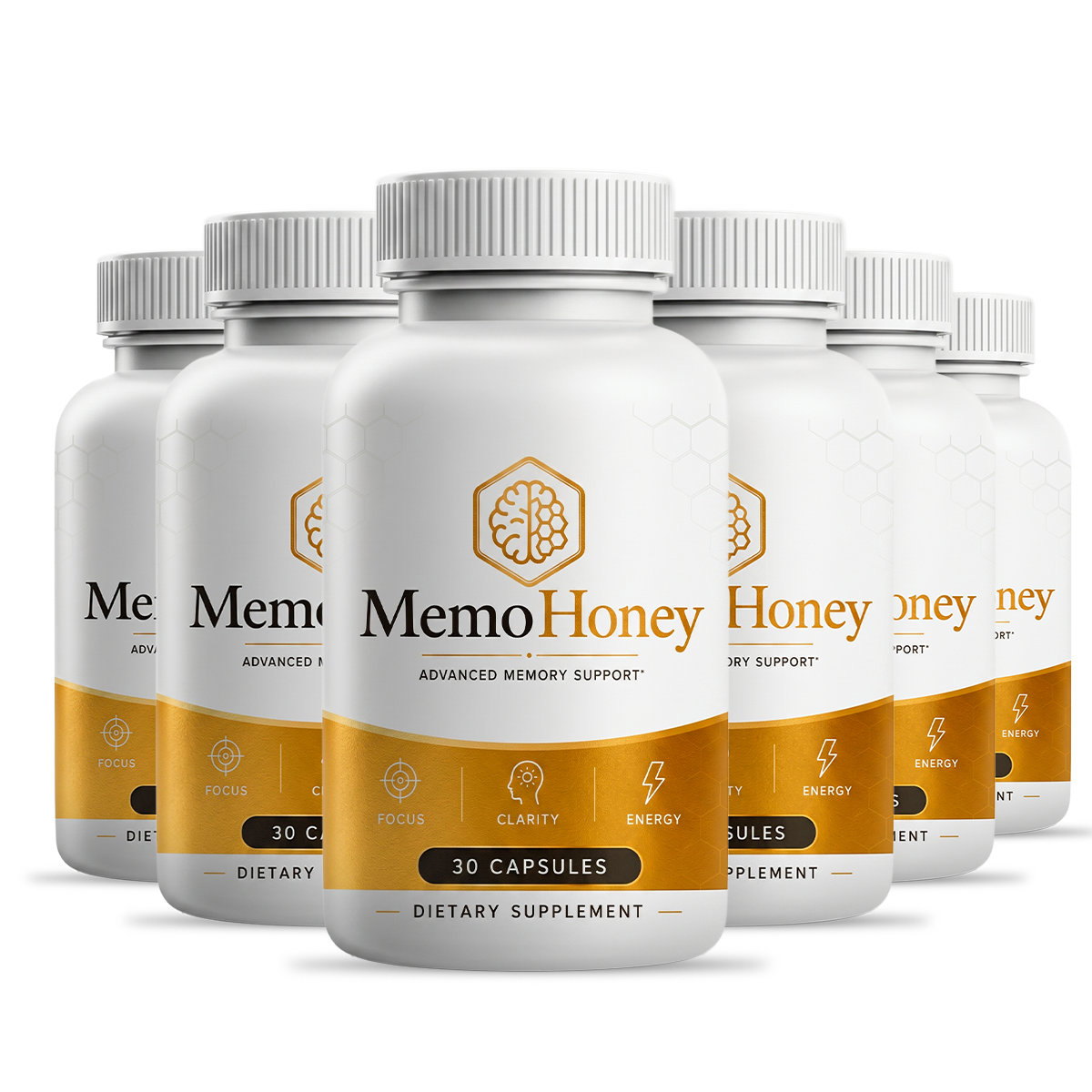
If you are exploring supplements alongside lifestyle changes, our MemoHoney ingredients page lists what is in each capsule, and the MemoHoney reviews page gives an honest summary of pros and cons.
For the full details, visit the MemoHoney official website. Its pricing section shows the per-bottle cost for each bundle so you can work out the cost per day before ordering.
Final Thoughts
Understanding oxidative stress in the brain will not transform your memory overnight, but it will help you choose what is worth your time, money and attention. That is a genuine advantage.
Check MemoHoney Official Pricing