Clinically Proven Claims FAQ: Straight Answers
This question-and-answer guide covers what people most want to know about clinically proven claims, from the basics to safety and practical next steps.
What should you know about clinically proven claims first?
Phrases such as clinically proven, clinically studied and backed by science appear on many supplement labels. They can mean anything from a large trial of the finished product to a single lab study of one ingredient. The gap between an ingredient study and a product claim is where much supplement marketing lives.
Why should you care about this?
Informed buyers get better value and fewer surprises. This topic is one of the most useful places to start. PubMed is a free database where you can check whether cited studies exist.
What does official guidance say?
The FTC requires health claims to be supported by competent and reliable scientific evidence, which for health benefits generally means well-designed human clinical trials. Studies on an individual ingredient at a particular dose do not automatically support claims for a different product. Clinically studied ingredient does not mean the finished product was tested.
A study's design matters as much as its result. Randomisation, blinding, a placebo group, a meaningful sample size and a pre-registered outcome all increase confidence that a finding is real rather than a statistical fluke.
Which details matter most?
- Animal and test-tube studies cannot show that something works in people.
- Randomised, placebo-controlled trials provide the strongest evidence.
- The dose in a product should match the dose used in the research it cites.
- Studies funded by manufacturers are common, and funding should be disclosed.
Who should be careful?
If a product claims to treat or cure a disease, it is making a drug claim that supplements are not allowed to make, and that is a red flag. Stop and seek medical advice if you notice unusual symptoms after changing your routine.
How do you put this into practice?
- Ask whether the product itself or only an ingredient was studied.
- Check the dose and duration in the cited research.
- Look up cited studies on PubMed.
- Be wary of claims that rely on testimonials rather than trials.
What does this look like in real life?
A product page says its main ingredient is clinically proven and cites one study. Looking it up reveals 40 participants, twice the dose in the product and a different form of the ingredient.
What is a common misconception?
Many people believe that any published study supports a claim. Study quality, size, dose and relevance all matter.
A second belief is that clinically proven means guaranteed results. In reality, even good trials show average effects; individual results vary widely. Another frequent error: the most common mistake is ordering in a hurry. Countdown timers and limited stock messages are designed to stop you reading the terms.
How can you tell if changes are working?
Be honest in your notes, including the days you skipped a habit. Accurate records are far more useful than flattering ones.
Is there anything else worth knowing?
Health claims on social media are rarely checked. Treat videos and posts promoting supplements as advertising unless the creator clearly explains their evidence and discloses any payment.
If you have questions this article does not answer, your doctor or pharmacist can give advice that reflects your full health history.
Information on health topics changes as new research is published. Checking the date of any article, including this one, and looking for recent reviews helps keep your understanding current.
Be wary of any source that promises fast, dramatic or guaranteed results. Genuine brain-health improvements are usually gradual and depend on several factors working together.
Check the lot number and expiry date as soon as a parcel arrives. If the packaging is damaged, seals are broken or the label looks different from the official product images, contact the seller before taking any capsules.
Where does MemoHoney fit in?
We encourage readers to apply these checks to every purchase, including ours. The MemoHoney reviews page lists the genuine pros and cons, and the refund policy explains exactly how the 60-day window works.
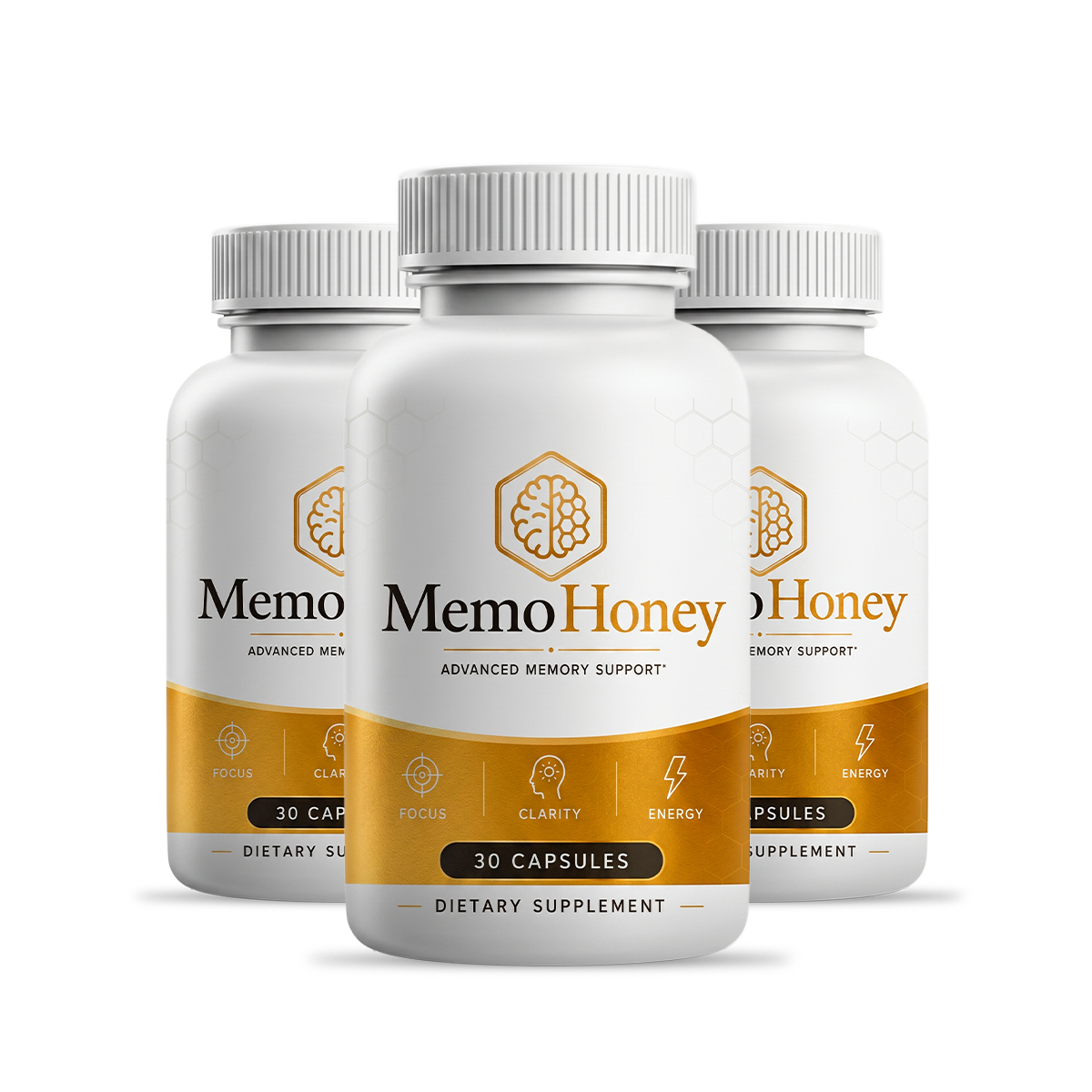
Current bundles and the MemoHoney sale pricing are listed on the MemoHoney official website. Each bottle holds 30 capsules, which is one month at the labelled serving.
What is the key takeaway?
Clinically proven claims rewards a careful, curious approach. Ask good questions, check your sources and remember that your doctor or pharmacist is an ally in every decision.
Check MemoHoney Official Pricing