FDA Registered vs FDA Approved: What the Rules Actually Say
Good decisions rest on good information. Below we walk through the research on FDA registration versus FDA approval, including the parts that rarely make it into advertising.
FDA approval and FDA registration are very different things. Drugs must be approved by the FDA before sale, but dietary supplements are not approved at all; facilities that make them simply register with the agency.
Confusing the two is one of the most common ways buyers are misled by supplement badges. Informed buyers get better value and fewer surprises. This topic is one of the most useful places to start.
The Short Answer
Under the Dietary Supplement Health and Education Act of 1994, supplements do not need FDA approval before marketing. The FDA states that registration of a food facility does not denote approval or endorsement of the facility or its products. That is a more measured picture than advertising usually paints, but it is also a more useful one.
The Legal Background
Consumer protection guidance from the FTC applies to websites, emails and social media posts as well as to printed labels, which is why careful sellers include disclaimers and clear terms.
Facility registration must be renewed every two years, and registration numbers are not meant to be used to imply endorsement. When a website displays an FDA approved seal on a supplement, it is either a misunderstanding or a deliberate attempt to borrow credibility.
Funding and publication bias can tilt the literature. Positive results are more likely to be published, so a handful of encouraging studies may overstate the true effect.
Key Points in Practice
- Any company can register a food or supplement facility with the FDA; registration is a listing, not a quality stamp.
- The FDA states that it does not approve dietary supplements for safety or effectiveness before they are sold.
- An FDA approved badge on a supplement is inaccurate and a warning sign.
- Manufacturers must follow current Good Manufacturing Practice rules, and the FDA can inspect facilities.
- The FDA can act against a supplement after it reaches the market if it is found unsafe.
- Supplement labels making structure-function claims must carry a standard FDA disclaimer.
What the Rules Do Not Cover
Finally, safety evidence matters as much as benefit evidence. Something with a small upside and a real risk is not a good trade for most people. A related misconception is worth naming: FDA registered means the FDA checked the product. In fact, registration is a listing of the facility; it does not mean the product was evaluated.
A second misreading of the evidence: All supplements are FDA approved. In fact, no dietary supplement is approved by the FDA before sale.
Spotting Overstated Claims
Be wary of before-and-after stories, celebrity endorsements and phrases such as scientifically proven with no study named. Genuine evidence can be looked up and checked.
You can cross-check what you read here against the FTC consumer advice site, which has no product to sell.
What This Means for You
Here is how to apply the key points in everyday life:
- Treat any claim that a supplement is FDA approved as a red flag.
- Look for independent third-party testing instead.
- Read the small-print disclaimer on the label or website.
- Search the FDA's warning letters and recalls for the brand name.
Consider a common scenario. If a product page shows a badge reading FDA approved beside a supplement bottle, treat it as a signal to read the rest of the page more critically, not as a guarantee of quality.
A Note on MemoHoney
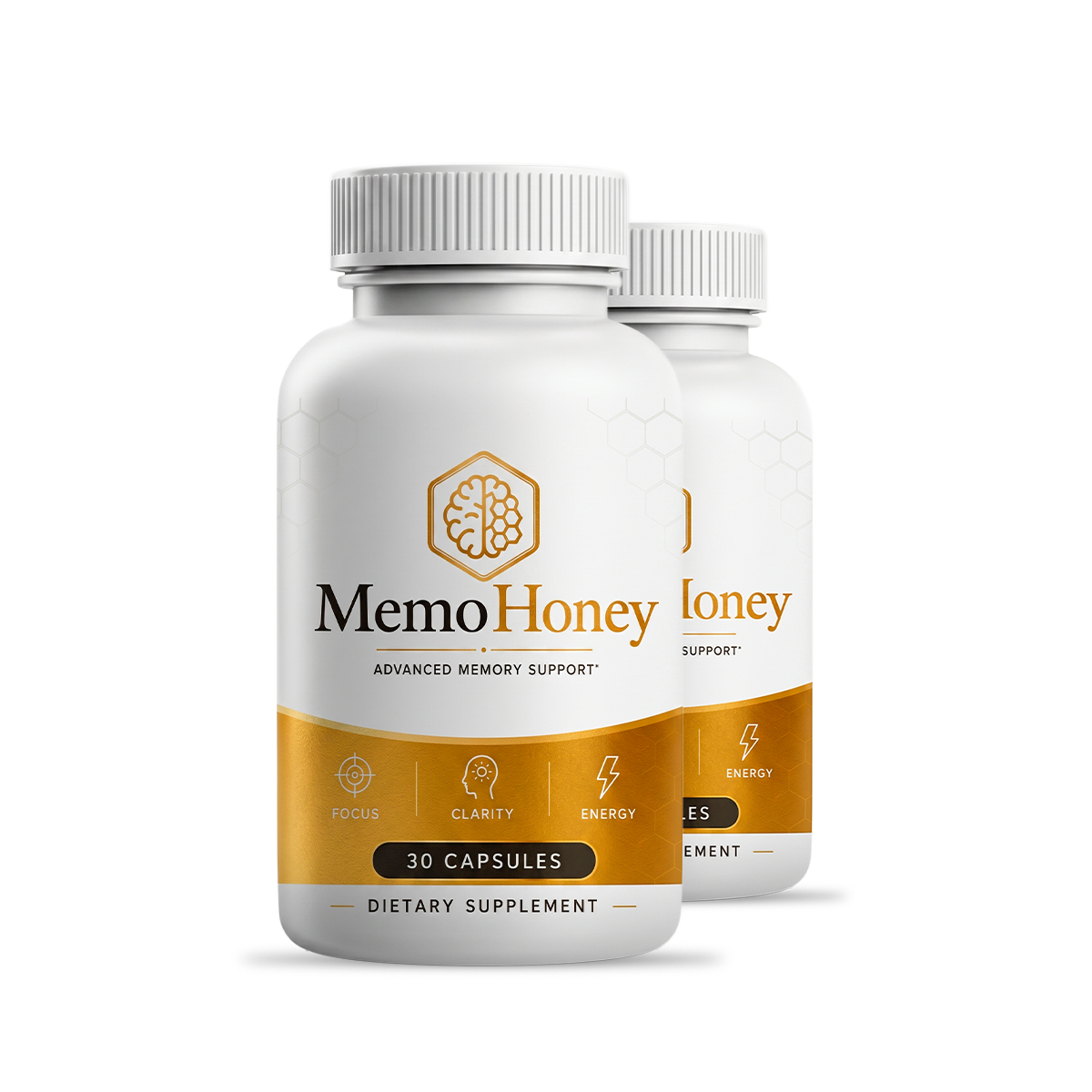
If you are weighing MemoHoney, read the MemoHoney ingredients page, keep your order confirmation email, and note the purchase date. Those three steps cover most of what this article recommends.
When you are ready, you can compare bundle sizes on the MemoHoney official website. Choose a quantity that matches how long you plan to try it, and keep your confirmation email for the refund policy.
Summing Up
There is no shortcut around the basics, but understanding FDA registration versus FDA approval helps you make better use of them. Keep this guide handy and revisit it when new claims come your way.
Check MemoHoney Official Pricing