Understanding Advertorials and Affiliate Pages: The Essentials
Few corners of everyday brain health attract as many half-truths as advertorials and affiliate review pages. Here we set out what it is, why people care about it and what the better evidence actually says.
Starting With the Basics
An advertorial is an advertisement designed to look like independent editorial content. Affiliate review sites earn a commission when readers buy through their links.
Advertorials often mimic news sites, with headlines, bylines and fake comment sections. Affiliate links earn the publisher money when you buy.
Why Careful Buyers Pay Attention
Knowing who benefits from a recommendation helps you weigh it properly. Most buyer problems, from refund disputes to counterfeit products, are avoidable with a little knowledge in advance.
What the Rules Say
FTC guidance on native advertising requires that paid content be clearly identifiable as advertising. Its endorsement guides also require affiliates to disclose financial relationships clearly and close to the claims they make. Supplement rules in the US come mainly from the Dietary Supplement Health and Education Act of 1994. The FDA oversees labels and manufacturing, while the FTC polices advertising and online marketing.
Some advertorials use invented names for doctors or quote real experts out of context. Others copy the layout of well-known news brands. A quick search for the article outside the page usually reveals whether it exists independently.
Funding and publication bias can tilt the literature. Positive results are more likely to be published, so a handful of encouraging studies may overstate the true effect.
For independent background, the FTC consumer advice site is a reliable, non-commercial place to start.
Key Facts at a Glance
- The FTC expects disclosures to be clear, not hidden in footers.
- Some pages invent doctors or celebrity endorsements.
- Countdown timers and limited stock messages are common pressure tactics.
- Independent sources, such as NIH fact sheets, have no sales incentive.
Common Mistakes to Avoid
The most common mistake is ordering in a hurry. Countdown timers and limited stock messages are designed to stop you reading the terms.
One misconception comes up often: A news-style article is independent journalism. In reality, many such pages are paid advertising designed to look like news.
Another idea worth correcting: Affiliate reviews are always dishonest. The evidence points elsewhere: some are careful and transparent; the key is clear disclosure and balanced information.
Practical Takeaways
Try building these habits into your routine:
- Look for a disclosure near the top of any review page.
- Search for the named experts to see whether they exist.
- Cross-check claims with independent health sources.
- Pause before buying when a page uses urgency tactics.
A simple example helps. A page styled like a national newspaper tells the story of a grandmother whose memory returned in a week. Scrolling to the bottom reveals the word advertisement in small print.
The simplest way to judge progress is a one-minute note each day: how you slept, how focused you felt and anything unusual. After a month, patterns become visible that you would never notice day to day.
Other Things Worth Knowing
It is also worth revisiting this topic every so often, as your circumstances, health and routines change over the years.
Be wary of any source that promises fast, dramatic or guaranteed results. Genuine brain-health improvements are usually gradual and depend on several factors working together.
Payment method matters too. Credit cards generally offer stronger dispute protections than debit cards or bank transfers, which can be useful if a seller does not honour its terms.
MemoHoney and This Topic
Questions about an order, the label or the refund window can be sent through our contact page before you buy. A seller that answers clearly before purchase is usually easier to deal with afterwards.
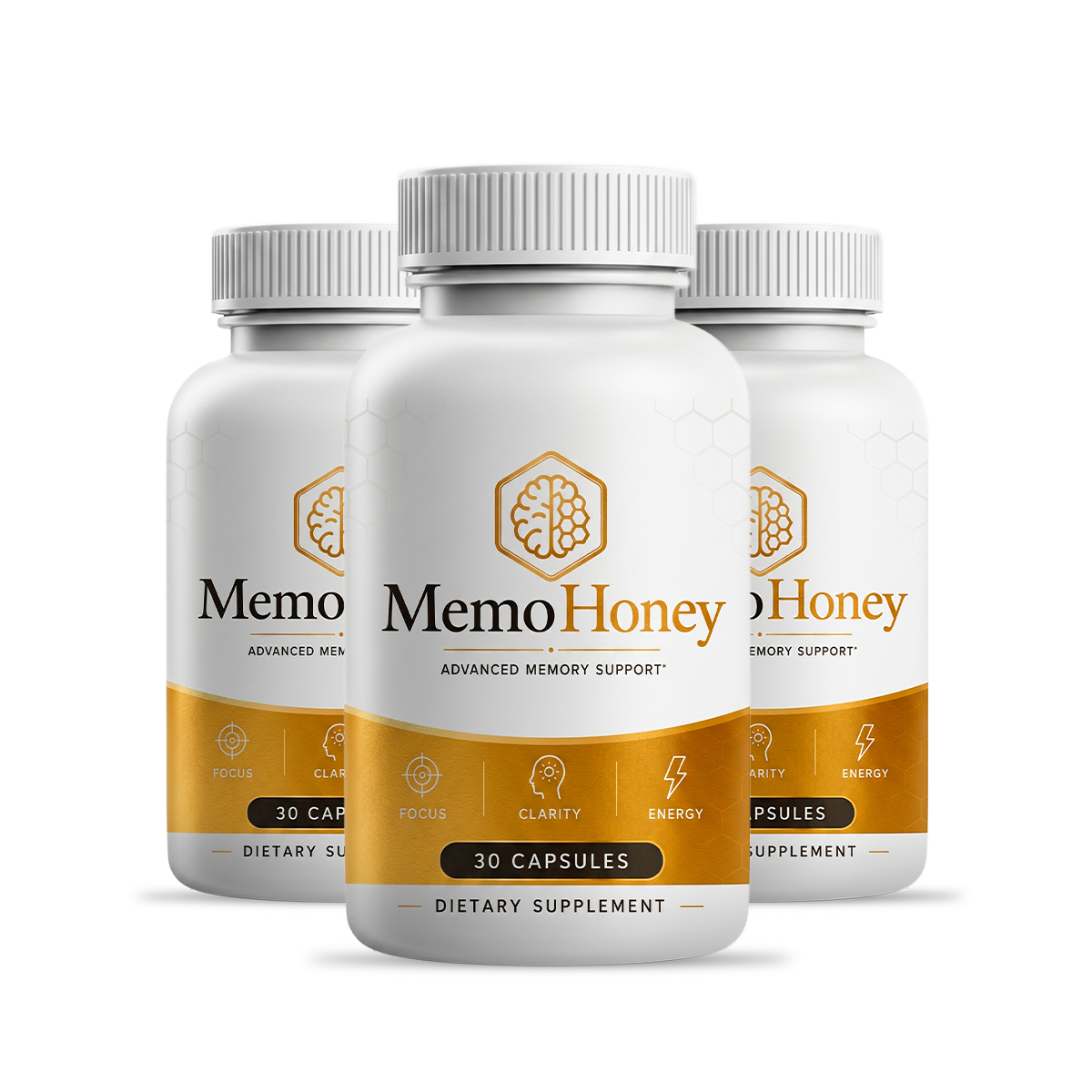
You will find the latest MemoHoney offers on the MemoHoney official website. As with any supplement, speak to a healthcare professional first if you have a medical condition or take prescription medicine.
Key Takeaway
Treat everything you read about advertorials and affiliate review pages, including this article, as a starting point. Combine it with professional advice and your own honest observations.
Check MemoHoney Official Pricing