Common Myths About Clinically Proven Claims
Clearing up misconceptions is one of the quickest ways to make better choices. This guide does that for clinically proven claims.
Phrases such as clinically proven, clinically studied and backed by science appear on many supplement labels. They can mean anything from a large trial of the finished product to a single lab study of one ingredient. A few minutes of checking before you order can prevent wasted money, unwanted subscriptions and, occasionally, genuine health risks.
Why Myths About Clinically Proven Claims Spread
Buyer myths spread because the rules around supplements are genuinely confusing, and sellers have little incentive to clarify them. The gap between an ingredient study and a product claim is where much supplement marketing lives.
Myth 1: Clinically proven means guaranteed results
Fact: Even good trials show average effects; individual results vary widely. Clinically studied ingredient does not mean the finished product was tested.
Myth 2: Any published study supports a claim
Fact: Study quality, size, dose and relevance all matter. Animal and test-tube studies cannot show that something works in people.
Myth 3: More badges mean a better product
Fact: Badges vary from meaningful certifications to decorative images with no independent verification.
Myth 4: If it is sold online, someone must have checked it
Fact: Supplements do not need approval before sale, and online marketplaces do not verify contents.
Facts to Keep
- Randomised, placebo-controlled trials provide the strongest evidence.
- The dose in a product should match the dose used in the research it cites.
- Studies funded by manufacturers are common, and funding should be disclosed.
- PubMed is a free database where you can check whether cited studies exist.
What the Rules Actually Say
The FTC requires health claims to be supported by competent and reliable scientific evidence, which for health benefits generally means well-designed human clinical trials. Studies on an individual ingredient at a particular dose do not automatically support claims for a different product. It is also worth remembering what has not been tested. Many common claims simply have no studies behind them, which is different from having studies that failed.
A study's design matters as much as its result. Randomisation, blinding, a placebo group, a meaningful sample size and a pre-registered outcome all increase confidence that a finding is real rather than a statistical fluke.
For a second opinion from a public source, see the FTC consumer advice site.
What to Do Instead
Here is how to apply the key points in everyday life:
- Ask whether the product itself or only an ingredient was studied.
- Check the dose and duration in the cited research.
- Look up cited studies on PubMed.
- Be wary of claims that rely on testimonials rather than trials.
To put this in context, a product page says its main ingredient is clinically proven and cites one study. Looking it up reveals 40 participants, twice the dose in the product and a different form of the ingredient.
More Useful Context
Be cautious with countdown timers and limited stock messages. Genuine offers exist, but artificial urgency is designed to shorten the time you spend reading terms and comparing options.
Reliable information is one of the best tools you have. Take the time to understand a topic before acting on it, and you will make better decisions.
When you read about health online, favour sources that cite their evidence, name their authors and separate advertising from editorial content. Government health agencies and peer-reviewed reviews are good places to start.
MemoHoney and This Topic
MemoHoney is only sold through the MemoHoney official website; listings elsewhere are not authorised and are not covered by our refund policy. Buying direct is the simplest way to know what you are getting.
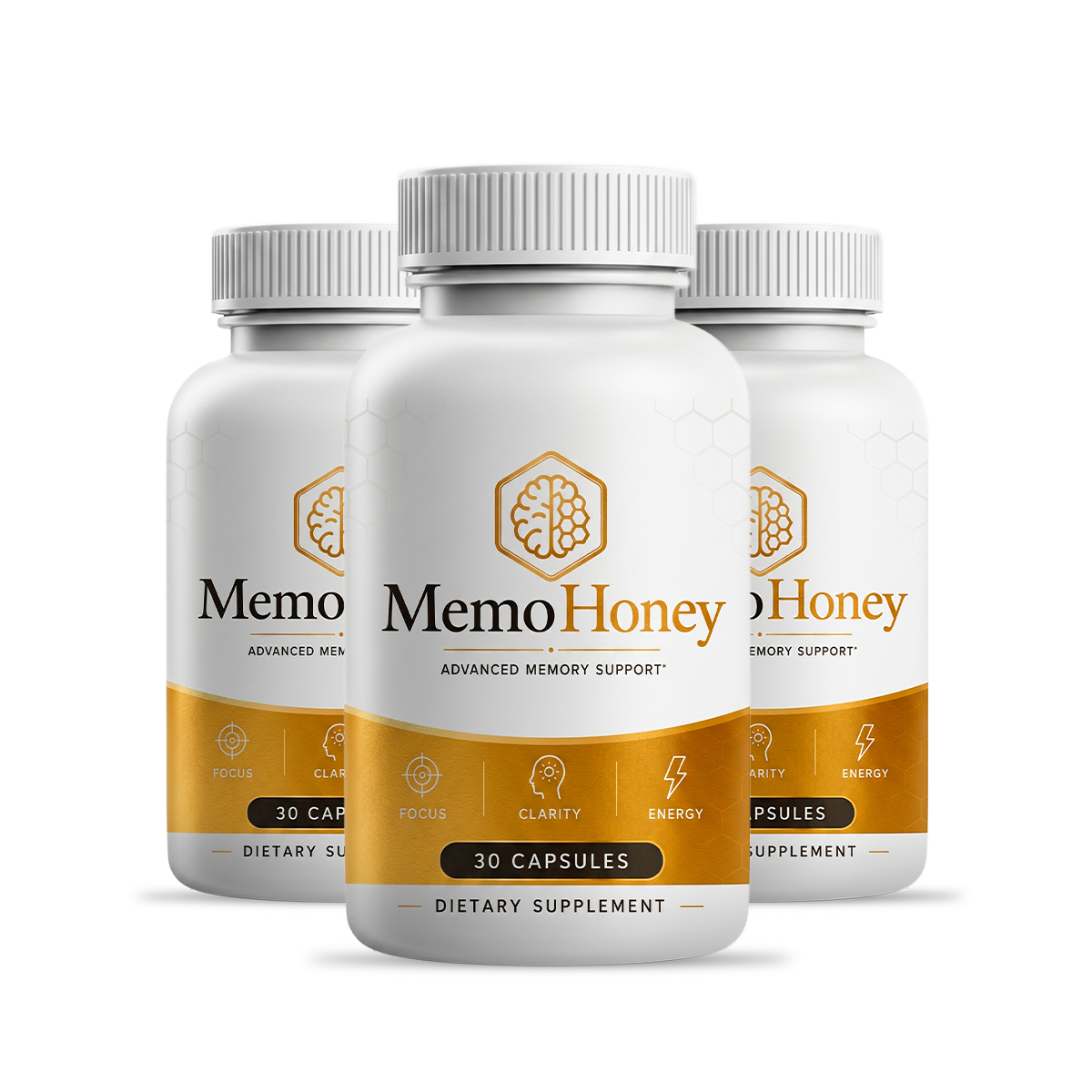
Current bundles and the MemoHoney sale pricing are listed on the MemoHoney official website. Each bottle holds 30 capsules, which is one month at the labelled serving.
The Bottom Line
Understanding clinically proven claims will not transform your memory overnight, but it will help you choose what is worth your time, money and attention. That is a genuine advantage.
Check MemoHoney Official Pricing