FDA Registered vs FDA Approved: What Every Adult Should Know
Few corners of everyday brain health attract as many half-truths as FDA registration versus FDA approval. Here we set out what it is, why people care about it and what the better evidence actually says.
FDA Registered vs FDA Approved in Plain Terms
FDA approval and FDA registration are very different things. Drugs must be approved by the FDA before sale, but dietary supplements are not approved at all; facilities that make them simply register with the agency.
Any company can register a food or supplement facility with the FDA; registration is a listing, not a quality stamp. The FDA states that it does not approve dietary supplements for safety or effectiveness before they are sold.
What Is at Stake for Your Health and Wallet
Confusing the two is one of the most common ways buyers are misled by supplement badges. Most buyer problems, from refund disputes to counterfeit products, are avoidable with a little knowledge in advance.
What the Rules Say
Under the Dietary Supplement Health and Education Act of 1994, supplements do not need FDA approval before marketing. The FDA states that registration of a food facility does not denote approval or endorsement of the facility or its products. Much of what protects buyers is not a law about a particular product but general rules about truthful advertising, clear disclosure of terms and fair treatment of refunds.
Facility registration must be renewed every two years, and registration numbers are not meant to be used to imply endorsement. When a website displays an FDA approved seal on a supplement, it is either a misunderstanding or a deliberate attempt to borrow credibility.
Duration is easy to overlook. A benefit measured after twelve weeks says little about the first few days, and short studies cannot reveal long-term effects.
If you want to read further, the FDA dietary supplements hub publishes free, evidence-based information.
Quick Facts
- An FDA approved badge on a supplement is inaccurate and a warning sign.
- Manufacturers must follow current Good Manufacturing Practice rules, and the FDA can inspect facilities.
- The FDA can act against a supplement after it reaches the market if it is found unsafe.
- Supplement labels making structure-function claims must carry a standard FDA disclaimer.
Common Mistakes to Avoid
Buyers also trust badges and seals without checking them, even though some are meaningless or copied.
One misconception comes up often: FDA registered means the FDA checked the product. In reality, registration is a listing of the facility; it does not mean the product was evaluated.
Another idea worth correcting: All supplements are FDA approved. The evidence points elsewhere: no dietary supplement is approved by the FDA before sale.
What You Can Do
These practical steps are a sensible place to start:
- Treat any claim that a supplement is FDA approved as a red flag.
- Look for independent third-party testing instead.
- Read the small-print disclaimer on the label or website.
- Search the FDA's warning letters and recalls for the brand name.
Here is how this plays out in everyday life. If a product page shows a badge reading FDA approved beside a supplement bottle, treat it as a signal to read the rest of the page more critically, not as a guarantee of quality.
If you share your notes with a doctor or pharmacist, they can help interpret changes and spot anything that needs attention.
Other Things Worth Knowing
Payment method matters too. Credit cards generally offer stronger dispute protections than debit cards or bank transfers, which can be useful if a seller does not honour its terms.
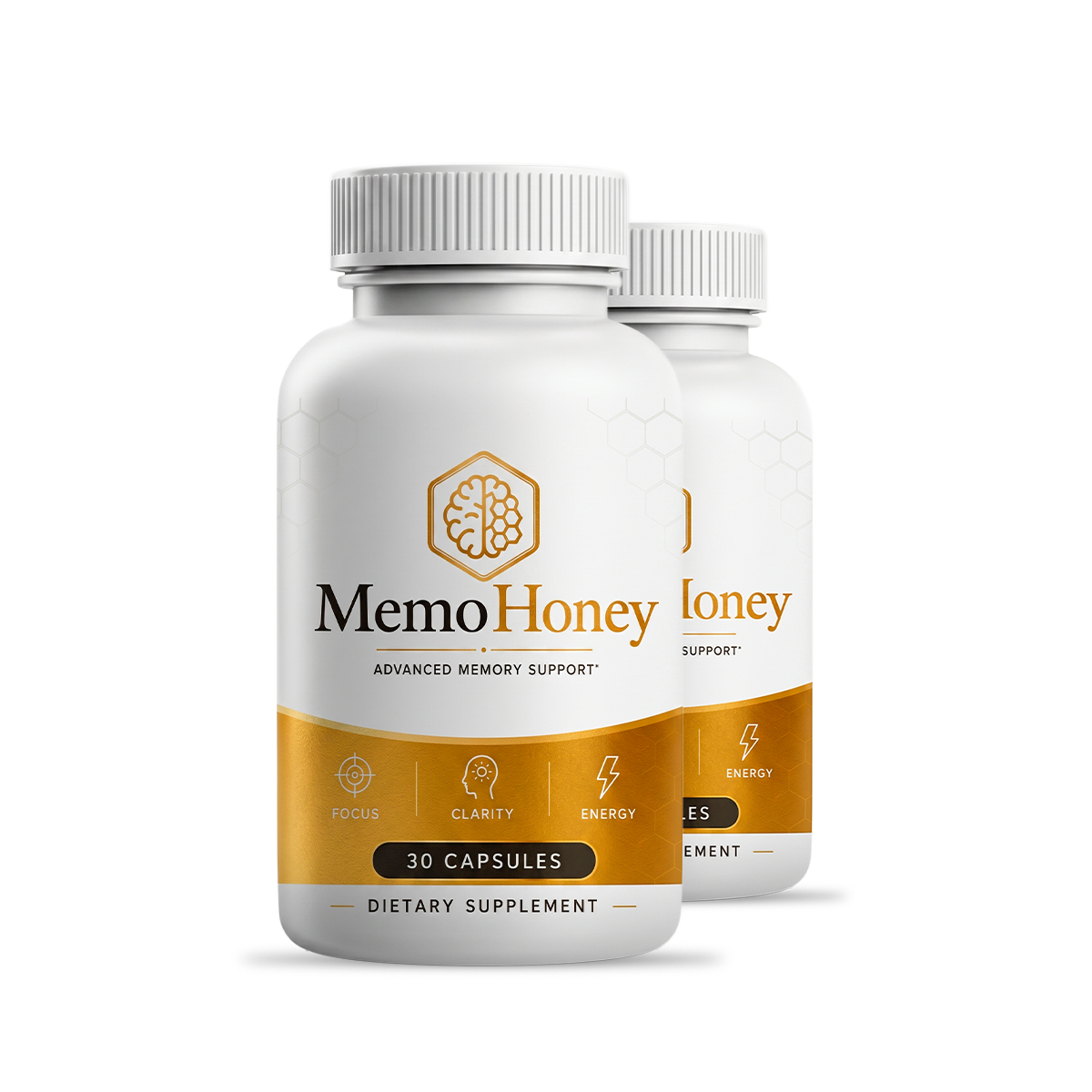
A Note on MemoHoney
Transparency matters to us, which is why our reviews page openly notes that per-ingredient doses are not published on the label, only the total blend. You can factor that into your decision alongside everything else in this guide.
When you are ready, you can compare bundle sizes on the MemoHoney official website. Choose a quantity that matches how long you plan to try it, and keep your confirmation email for the refund policy.
Final Thoughts
FDA registration versus FDA approval rewards a careful, curious approach. Ask good questions, check your sources and remember that your doctor or pharmacist is an ally in every decision.
Check MemoHoney Official Pricing