Advertorials and Affiliate Pages: What Readers Ask Most
Below are straightforward answers to frequently asked questions about advertorials and affiliate review pages, with safety points included where they matter.
Where should a beginner start with advertorials and affiliate review pages?
An advertorial is an advertisement designed to look like independent editorial content. Affiliate review sites earn a commission when readers buy through their links. Knowing who benefits from a recommendation helps you weigh it properly.
Why is this worth understanding?
Most buyer problems, from refund disputes to counterfeit products, are avoidable with a little knowledge in advance. Independent sources, such as NIH fact sheets, have no sales incentive.
How is this regulated?
FTC guidance on native advertising requires that paid content be clearly identifiable as advertising. Its endorsement guides also require affiliates to disclose financial relationships clearly and close to the claims they make. Advertorials often mimic news sites, with headlines, bylines and fake comment sections.
Some advertorials use invented names for doctors or quote real experts out of context. Others copy the layout of well-known news brands. A quick search for the article outside the page usually reveals whether it exists independently.
What are the key facts to remember?
- Affiliate links earn the publisher money when you buy.
- The FTC expects disclosures to be clear, not hidden in footers.
- Some pages invent doctors or celebrity endorsements.
- Countdown timers and limited stock messages are common pressure tactics.
Are there safety concerns?
Pages that claim a supplement cures disease or replaces medication are breaking the rules and should not be trusted with health decisions. Anyone taking prescription medicine should check before adding a new supplement or making a major lifestyle change.
What can you do today?
- Look for a disclosure near the top of any review page.
- Search for the named experts to see whether they exist.
- Cross-check claims with independent health sources.
- Pause before buying when a page uses urgency tactics.
Can you give an everyday example?
A page styled like a national newspaper tells the story of a grandmother whose memory returned in a week. Scrolling to the bottom reveals the word advertisement in small print.
Which myth comes up most?
Many people believe that affiliate reviews are always dishonest. Some are careful and transparent; the key is clear disclosure and balanced information.
A second belief is that a news-style article is independent journalism. In reality, many such pages are paid advertising designed to look like news. Another frequent error: buyers also trust badges and seals without checking them, even though some are meaningless or copied.
How should you track progress?
If you share your notes with a doctor or pharmacist, they can help interpret changes and spot anything that needs attention.
What else should readers keep in mind?
If you share your household with others, involving them can make changes easier. Family members often notice improvements in mood or alertness before we notice them ourselves.
Health claims on social media are rarely checked. Treat videos and posts promoting supplements as advertising unless the creator clearly explains their evidence and discloses any payment.
Sharing your experiences, positive or negative, in honest reviews helps other buyers. Just remember to stick to facts about your own purchase and use.
The FDA's MedWatch system accepts reports of side effects from dietary supplements. Reporting a problem helps regulators spot patterns, even if you are unsure the product caused it.
Search for the product name together with words like warning, recall or complaint before you buy. The FDA's recall and tainted products databases are free to search and updated regularly.
Remember that you can always ask the seller questions before paying. A reputable company will answer clearly about ingredients, doses, testing and returns, and a vague or pushy response is itself useful information.
Is MemoHoney relevant here?
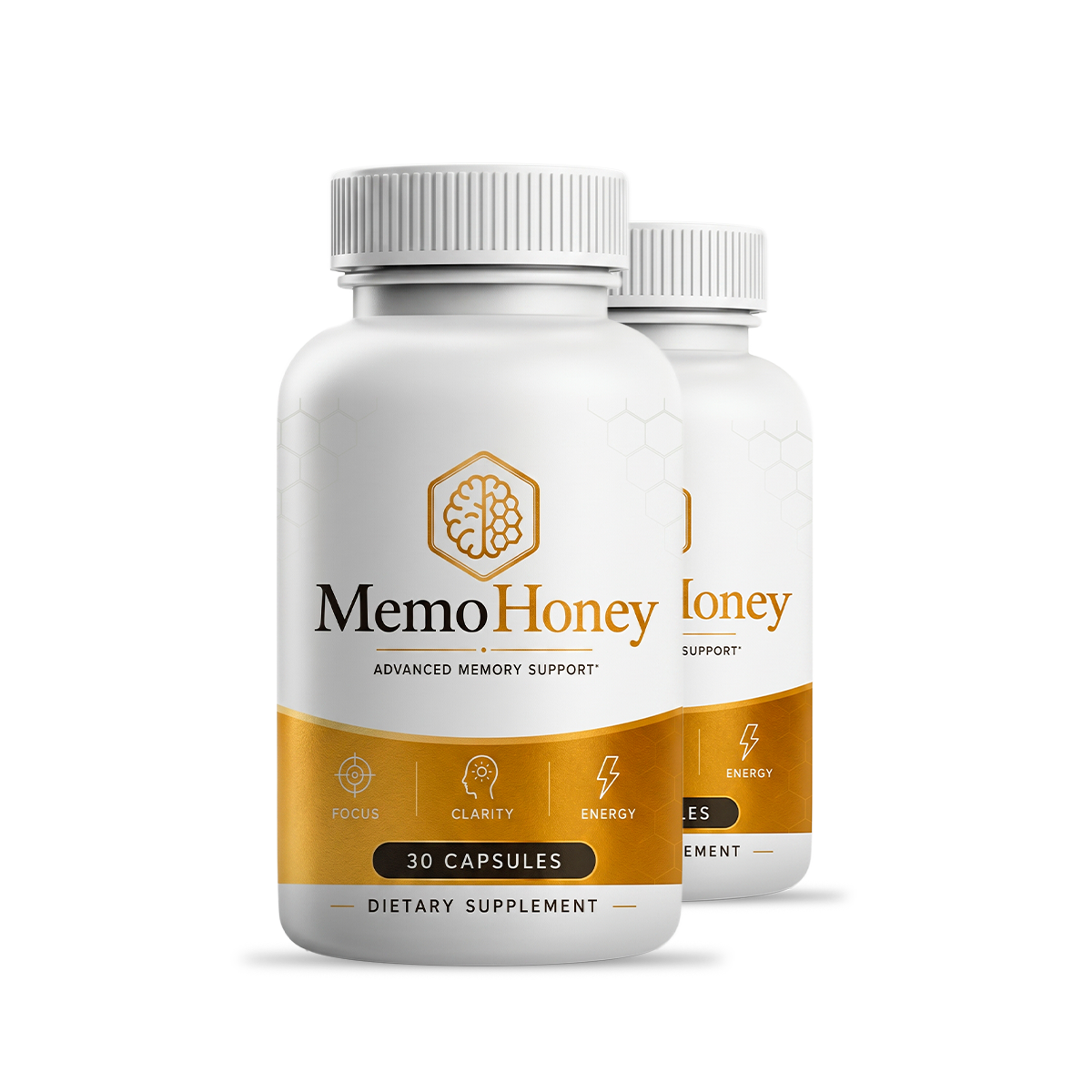
MemoHoney is only sold through the MemoHoney official website; listings elsewhere are not authorised and are not covered by our refund policy. Buying direct is the simplest way to know what you are getting.
Current bundles and the MemoHoney sale pricing are listed on the MemoHoney official website. Each bottle holds 30 capsules, which is one month at the labelled serving.
So what should you do?
Clear thinking about advertorials and affiliate review pages protects both your health and your wallet. Take what is useful here, leave what does not apply to you and keep learning.
Check MemoHoney Official Pricing