Aerobic Exercise and Memory: A Plain-English Guide
Our editorial team receives more questions about aerobic exercise and memory than about most other topics on this blog. This guide covers the basics first and then the details that matter most.
Aerobic Exercise and Memory in Plain Terms
Aerobic exercise is any activity that raises your heart rate and breathing for a sustained period, such as brisk walking, cycling or swimming. It is one of the best-supported habits for brain health.
US guidelines recommend at least 150 minutes of moderate aerobic activity each week for adults. Even single sessions of exercise can briefly improve attention and mood.
Why It Matters for Memory and Focus
Exercise benefits the brain directly, not just the body. Small, repeatable changes are easier to sustain than dramatic overhauls, and they tend to compound over months and years.
The Science So Far
A well-known trial in older adults found a year of walking increased hippocampal volume by around 2 percent, reversing roughly one to two years of age-related shrinkage. Exercise raises brain-derived neurotrophic factor, known as BDNF, which supports the growth of new connections. Researchers increasingly use wearable devices and brain imaging to measure the effects of everyday habits more precisely than questionnaires alone.
Exercise may benefit the brain by increasing blood flow, reducing inflammation, improving insulin sensitivity and stimulating growth factors. These effects appear to build over months of regular activity.
Funding and publication bias can tilt the literature. Positive results are more likely to be published, so a handful of encouraging studies may overstate the true effect.
For independent background, MedlinePlus is a reliable, non-commercial place to start.
The Facts That Matter Most
- Exercise improves sleep quality, which in turn supports memory.
- Physical inactivity is one of the modifiable dementia risk factors named by the Lancet Commission.
- Brisk walking counts as moderate activity.
- Benefits appear at any age, including in people who start late in life.
Where People Go Wrong
The most common mistake is aiming too high too soon. Habits that feel easy are the ones that last long enough to make a difference.
One misconception comes up often: Only intense exercise helps the brain. In reality, moderate activity like brisk walking has shown clear benefits.
Another idea worth correcting: It is too late to benefit if you are older. The evidence points elsewhere: studies show brain benefits even when people start exercising in later life.
Simple Steps to Apply
These practical steps are a sensible place to start:
- Start with ten-minute brisk walks and build up.
- Choose activities you enjoy so you keep doing them.
- Exercise with others for motivation and social benefits.
- Fit activity into daily routines, such as walking meetings.
To put this in context, a person who walks briskly for 30 minutes five days a week meets the US activity guideline without a gym membership, special clothing or complicated plans.
Be honest in your notes, including the days you skipped a habit. Accurate records are far more useful than flattering ones.
More Useful Context
Your doctor is a partner in brain health, not only someone to see when problems arise. Regular check-ups catch treatable issues such as high blood pressure, vitamin deficiencies and hearing loss early.
Information on health topics changes as new research is published. Checking the date of any article, including this one, and looking for recent reviews helps keep your understanding current.
Habits are easier to keep when they are attached to something you already do, such as a morning coffee or an evening walk. This technique, sometimes called habit stacking, reduces the need for willpower.
Where MemoHoney Fits
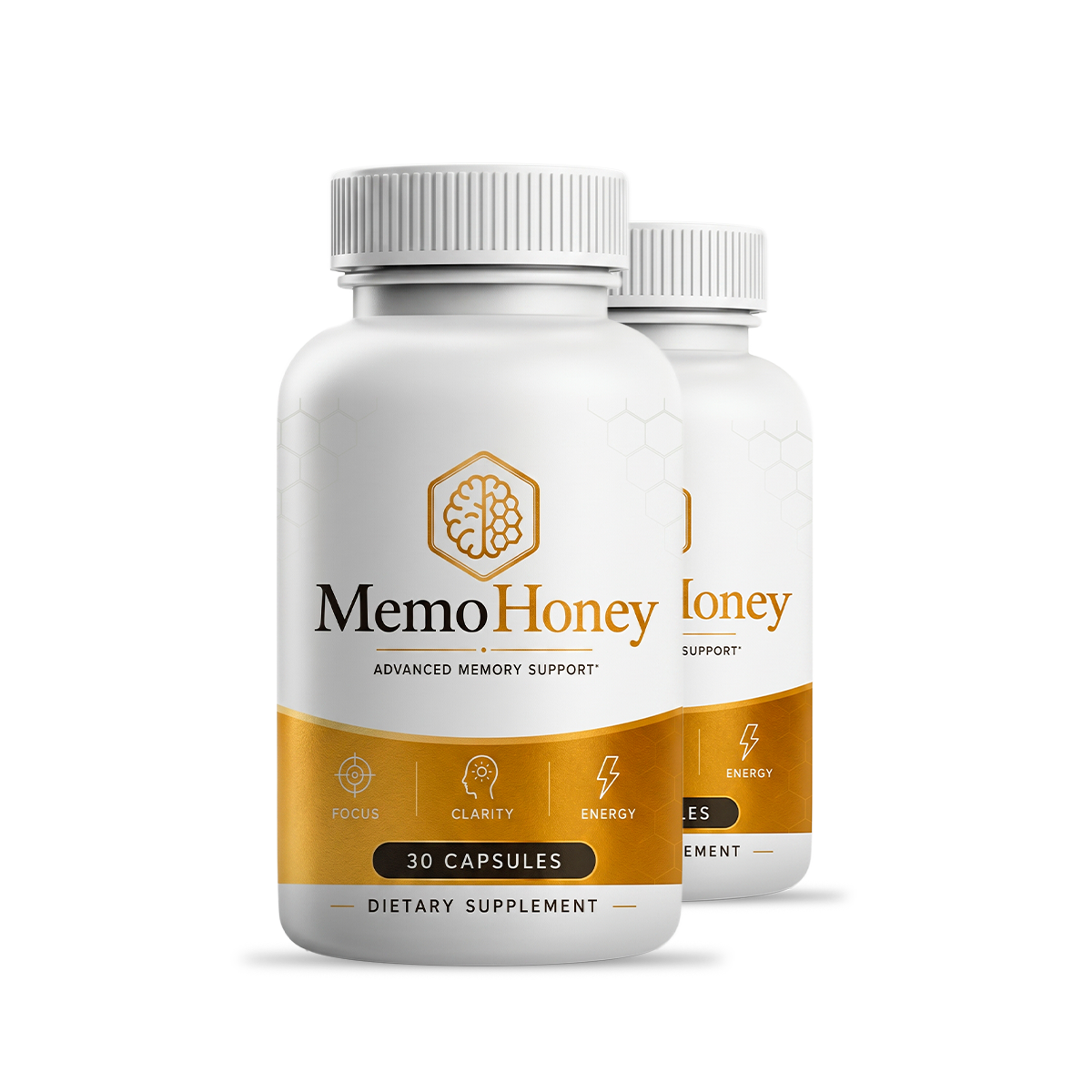
No capsule can substitute for the habits described above. MemoHoney is intended as one small part of a routine that already includes sleep, movement and good nutrition. The MemoHoney benefits page explains what it is formulated to support.
For the full details, visit the MemoHoney official website. Its pricing section shows the per-bottle cost for each bundle so you can work out the cost per day before ordering.
Summing Up
Aerobic exercise and memory rewards a careful, curious approach. Ask good questions, check your sources and remember that your doctor or pharmacist is an ally in every decision.
Check MemoHoney Official Pricing