Zinc FAQ: Straight Answers
Readers ask us about zinc regularly, so we have gathered the most common questions in one place. Each answer is short, direct and based on the best available evidence.
What should you know about zinc first?
Zinc is a trace mineral involved in hundreds of enzymes, in immune function and in wound healing. In the brain, zinc is stored in certain nerve terminals, particularly in the hippocampus, and is released during signalling. Its presence in memory-related brain regions is why zinc turns up in cognitive formulas.
Why should you care about this?
Ingredients are only as useful as the evidence and the dose behind them. That is why it helps to look at zinc on its own before judging any formula that contains it. Zinc gluconate and zinc citrate are common, well-absorbed supplement forms.
Is there good evidence behind this?
Zinc deficiency can affect mood, taste, immunity and cognition, particularly in older adults. Trials of zinc supplements in well-nourished adults have not shown consistent memory benefits. Adult men need 11 mg a day and adult women 8 mg a day.
Zinc status is hard to measure accurately with a single blood test, because blood levels are tightly regulated and fall during illness. Doctors therefore look at diet, symptoms and risk factors as well as lab results.
What are the key facts to remember?
- The upper limit is 40 mg a day from all sources combined.
- Oysters, red meat, poultry, beans, nuts and whole grains supply zinc.
- Long-term high zinc intake can cause copper deficiency, which can itself damage nerves.
- Phytates in whole grains and legumes reduce zinc absorption, so vegetarians may need more.
Who should be careful?
High doses of zinc can cause nausea and, over time, copper deficiency. Zinc interacts with some antibiotics such as quinolones and tetracyclines, with penicillamine and with thiazide diuretics. Anyone taking prescription medicine should check before adding a new supplement or making a major lifestyle change.
What practical steps help?
- Total up zinc from every supplement, including multivitamins and cold lozenges.
- Stay below 40 mg a day unless a doctor prescribes more.
- Take zinc with food if it upsets your stomach.
- Separate zinc from certain antibiotics by a few hours.
What does this look like in real life?
A person who takes zinc lozenges every day through winter, plus a multivitamin, could exceed the upper limit for weeks at a time. That is how copper deficiency can creep in unnoticed.
What is a common misconception?
Many people believe that zinc nasal sprays are a safe way to top up. The FDA has warned about intranasal zinc products linked to loss of smell.
A second belief is that more zinc strengthens memory. In reality, extra zinc helps if you are deficient; above the upper limit it can cause copper deficiency. Another frequent error: finally, many buyers forget to mention supplements to their doctor or pharmacist, which is where most avoidable interactions begin.
How should you track progress?
If you share your notes with a doctor or pharmacist, they can help interpret changes and spot anything that needs attention.
What else should readers keep in mind?
It also helps to think about the whole formula rather than a single ingredient. Several ingredients may target similar pathways, and their combined effect, good or bad, is rarely studied directly. That is one more reason to keep doses and interactions in view.
Upper intake levels exist for many vitamins and minerals. These are not targets but ceilings, set to show the amount above which the risk of side effects starts to rise for most healthy adults.
Where does MemoHoney fit in?
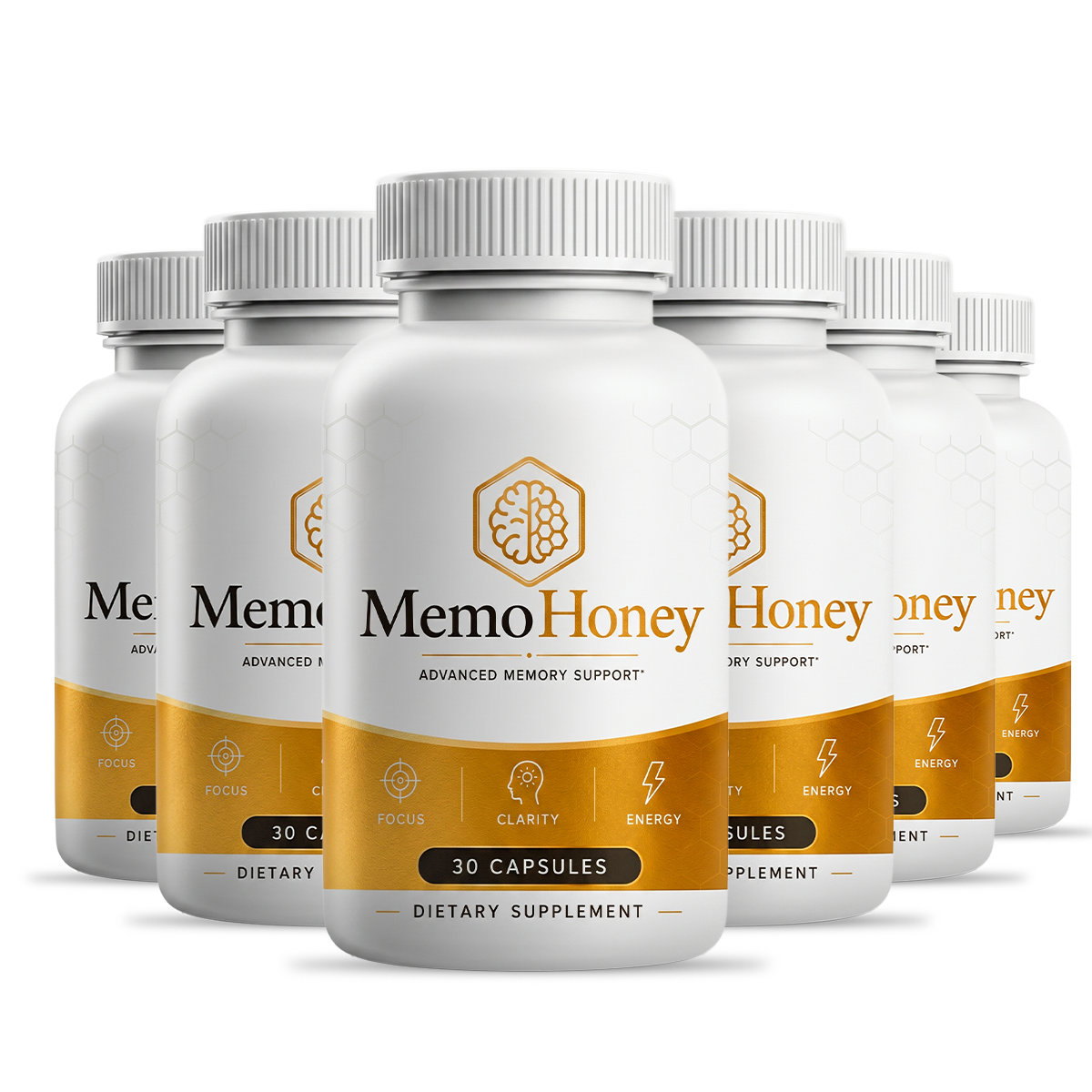
If you are considering MemoHoney, compare the ingredient list on our MemoHoney ingredients page with the panel on the bottle you receive. That simple check is good practice for any supplement, and it tells you whether zinc is part of the formula.
For the full details, visit the MemoHoney official website. Its pricing section shows the per-bottle cost for each bundle so you can work out the cost per day before ordering.
What is the bottom line?
Zinc is worth understanding because it shapes decisions you make every day. Focus on the facts that are well supported, stay sceptical of dramatic promises and involve a professional whenever health or medication is part of the picture.
Check MemoHoney Official Pricing