How to Evaluate Choline and Phosphatidylcholine on a Label
This is a hands-on companion to our other articles on choline and phosphatidylcholine. Instead of theory, it concentrates on simple actions, common mistakes and how to judge your progress.
The Basics of Choline and Phosphatidylcholine
Choline is an essential nutrient the body uses to build cell membranes and to make acetylcholine, a neurotransmitter involved in memory and muscle control. Phosphatidylcholine, a major component of lecithin, is one of the main forms of choline in food. The Adequate Intake is 550 mg a day for men and 425 mg for women.
Choline can be obtained from several compounds, and each delivers a different proportion of actual choline by weight. Alpha-GPC and citicoline have attracted research interest because they may cross into the brain more readily, but results in healthy adults remain mixed.
As the raw material for acetylcholine, choline is a logical fit for any product that talks about memory. Knowing the typical research dose and safety profile of an ingredient turns a label from marketing into information you can actually use.
A Simple Checklist
If you want to act on this, begin with the following:
- Include eggs, fish or legumes regularly if your diet allows.
- Check whether a label lists the actual choline content or only the weight of the compound.
- Pregnant women should discuss choline needs with their doctor.
- Avoid stacking several choline supplements at once.
A simple example helps. Someone who eats eggs most mornings already gets a meaningful amount of choline. Adding a high-dose choline supplement on top may offer little extra and could cause digestive discomfort.
These steps are grounded in a few facts worth keeping in mind. Most people in the US do not meet the Adequate Intake for choline, according to NIH data. Egg yolks, beef liver, fish, chicken and soybeans are rich sources, and one large egg provides around 147 mg.
Why the Research Backs This
Observational studies have linked higher choline intake with better memory performance, but supplement trials in healthy adults have produced inconsistent results. Choline's role in brain development during pregnancy is better established than its role in adult cognition.
Where People Go Wrong
The most common mistake is judging an ingredient by its name alone. The form, the dose and the length of use all matter, and a label that hides them makes fair comparison difficult. People also tend to give up too early on slow-acting ingredients, or to take more than directed in the hope of faster results.
Two misconceptions also trip people up. The first is that taking choline instantly raises acetylcholine and memory. In reality, the body regulates acetylcholine production, and trials in healthy adults show inconsistent results. The second is that lecithin and choline are the same thing. Actually, lecithin contains phosphatidylcholine, which is only partly choline by weight.
Important Safety Points
Tracking Your Progress
Be honest in your notes, including the days you skipped a habit. Accurate records are far more useful than flattering ones.
Facts to Keep in Mind
- The upper limit for adults is 3,500 mg a day.
- Very high intakes can cause a fishy body odour, sweating and low blood pressure.
- Other supplemental forms include alpha-GPC and citicoline, which have their own separate research.
For independent background, the NIH Office of Dietary Supplements is a reliable, non-commercial place to start.
More Useful Context
If you have questions this article does not answer, your doctor or pharmacist can give advice that reflects your full health history.
A Note on MemoHoney
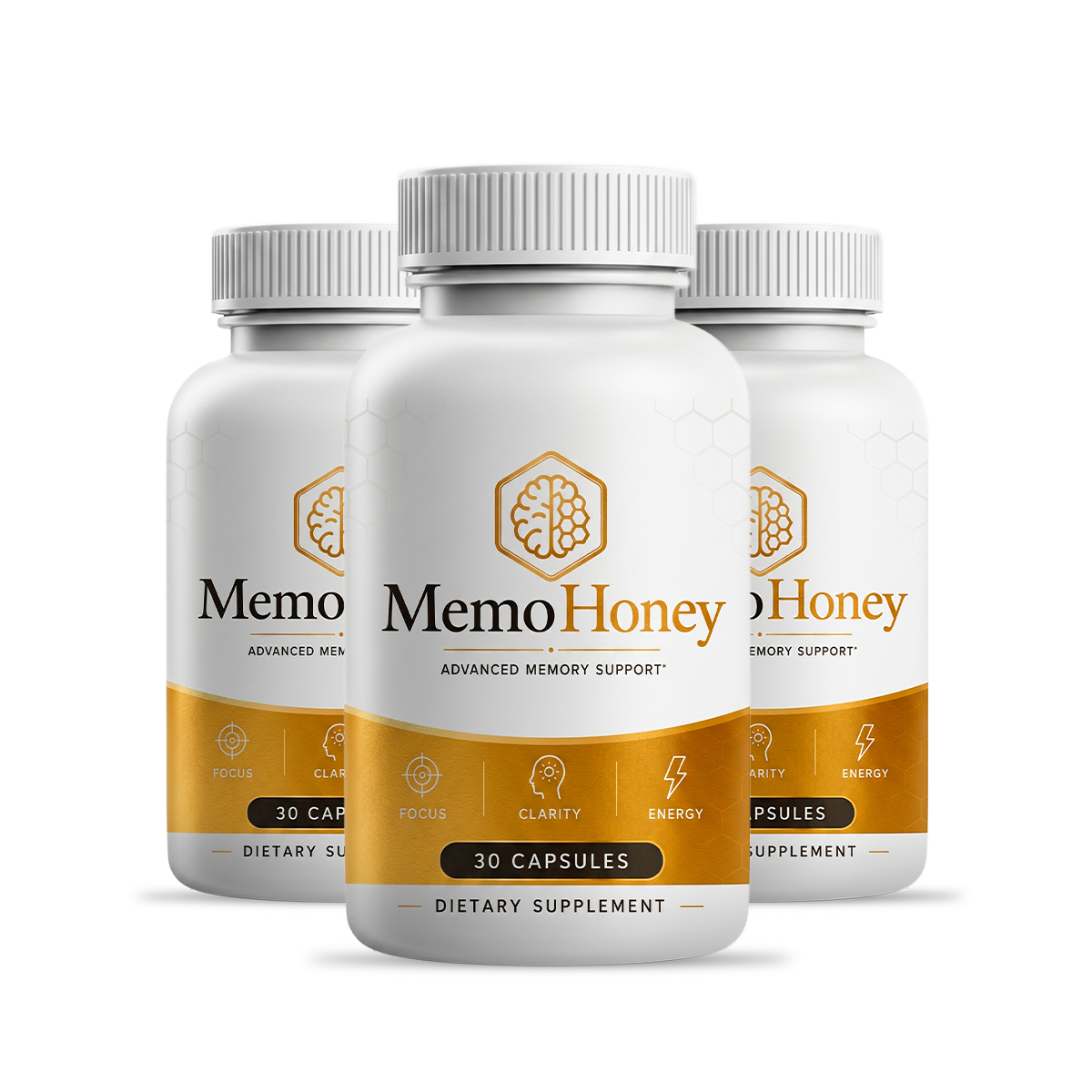
MemoHoney is a once-daily capsule formulated to support memory, focus and mental clarity. Rather than taking any ingredient claim on trust, including claims about choline and phosphatidylcholine, check our ingredients sheet and the label itself.
To avoid counterfeit stock, order only from the MemoHoney official website, where the MemoHoney discount is applied automatically to multi-bottle bundles.
Final Thoughts
Good information turns choline and phosphatidylcholine from a source of confusion into something you can act on sensibly. Start small, track honestly and adjust as you learn what works for you.
Check MemoHoney Official Pricing