Working Memory Explained Clearly
Understanding working memory does not require a science degree. It does require separating useful facts from marketing, and that is the aim of this guide.
Starting With the Basics
Working memory is the brain's mental workspace: the small amount of information you can hold and manipulate at once, such as a phone number you are about to dial or the steps of a recipe you are following.
Working memory relies heavily on the prefrontal cortex at the front of the brain. Capacity is roughly three to five meaningful chunks for most adults.
Why People Pay Attention to This
Most everyday focus problems, like losing your place mid-task, are really working memory being overloaded. Brain science can sound abstract, but it has direct practical consequences for how you sleep, work and learn.
The Science So Far
Classic research suggested people can hold about seven items, but more recent estimates put the true limit closer to four chunks of information. Studies on brain-training apps show people improve at the trained task, while transfer to general intelligence or everyday memory is limited. Patients with specific kinds of brain injury have taught researchers a great deal about which regions support which abilities, and modern imaging has built on those early discoveries.
Psychologists describe working memory as having separate components for sounds and words, for visual and spatial information, and a central system that directs attention between them. That is why you can hold a tune in your head while picturing a route, but struggle to hold two phone numbers at once.
No single study settles a question. Results need to be repeated in different groups of people, and small studies are more likely to produce chance findings. Look for reviews that pool many trials rather than one headline result.
For a second opinion from a public source, see MedlinePlus.
Details Worth Knowing
- Stress, poor sleep and multitasking reduce working memory performance.
- Chunking, grouping items into meaningful units, effectively expands what you can hold.
- Working memory capacity tends to decline gradually with age.
- Writing things down offloads working memory so the brain can focus on thinking.
Where People Go Wrong
Finally, it is easy to put off seeing a doctor about changes that genuinely warrant it. Early assessment helps.
One misconception comes up often: Brain-training games dramatically raise your working memory. In reality, people mainly get better at the specific game; broad everyday benefits are modest at best.
There is a second common assumption too. A good memory means you can juggle many things at once. The evidence points elsewhere: everyone's working memory is small; skilled people use chunking and external notes.
Practical Takeaways
These practical steps are a sensible place to start:
- Break big tasks into short, written steps.
- Group numbers or items into chunks.
- Close extra browser tabs and silence notifications during complex work.
- Use checklists for routines you repeat often.
A simple example helps. Following a new recipe while a child asks questions is a classic working memory overload. Reading one step, completing it and then checking the next is a simple way to lighten the load.
The simplest way to judge progress is a one-minute note each day: how you slept, how focused you felt and anything unusual. After a month, patterns become visible that you would never notice day to day.
More Useful Context
It is reassuring to know that the brain is remarkably resilient. Many of the factors that affect memory, from sleep to blood pressure, respond to changes you can make at almost any age.
How This Relates to MemoHoney
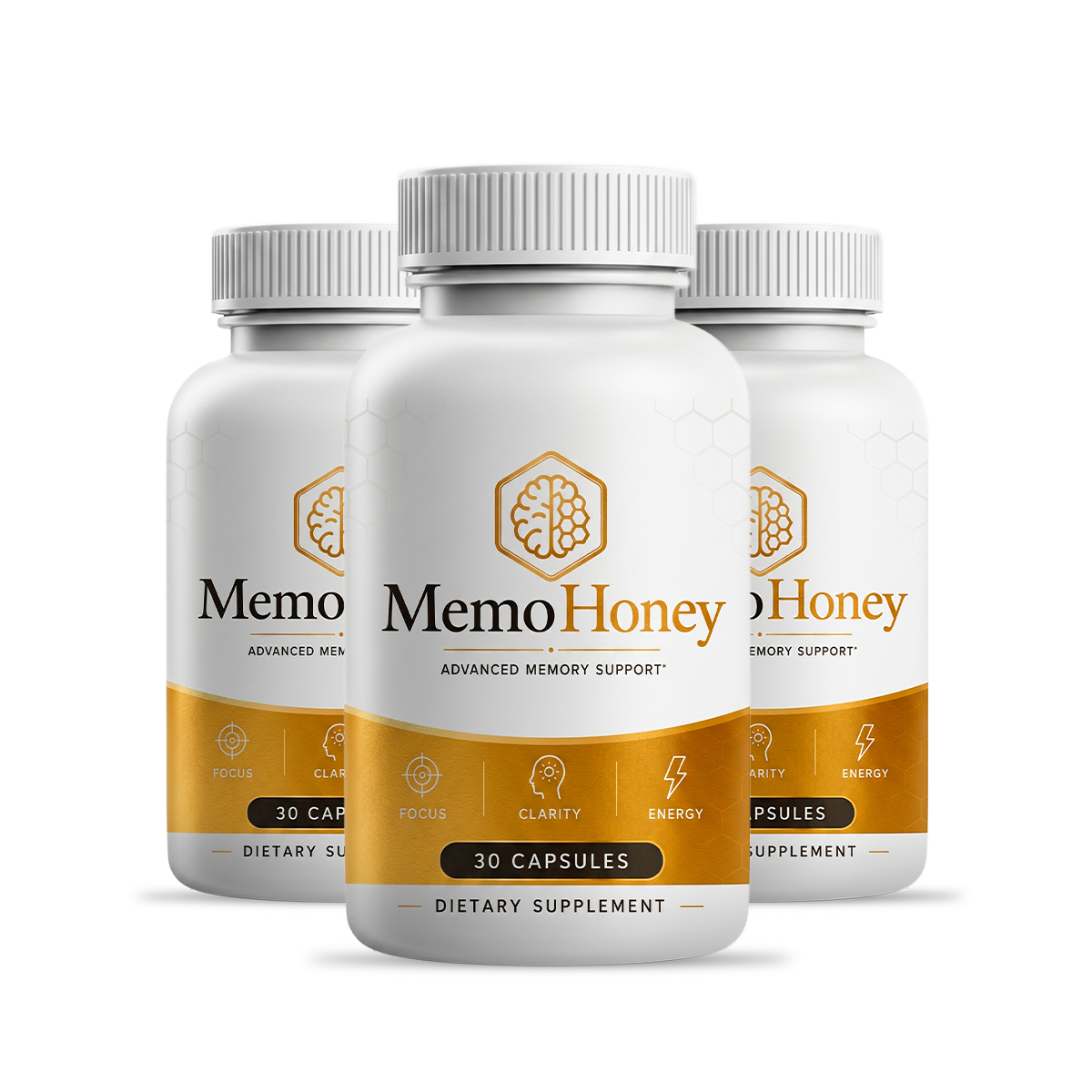
If you are exploring supplements alongside lifestyle changes, our MemoHoney ingredients page lists what is in each capsule, and the MemoHoney reviews page gives an honest summary of pros and cons.
When you are ready, you can compare bundle sizes on the MemoHoney official website. Choose a quantity that matches how long you plan to try it, and keep your confirmation email for the refund policy.
Final Thoughts
There is no shortcut around the basics, but understanding working memory helps you make better use of them. Keep this guide handy and revisit it when new claims come your way.
Check MemoHoney Official Pricing