Oxidative Stress and the Brain: What It Means for Your Routine
Practical advice is only useful if it is safe and realistic. This guide to oxidative stress in the brain aims to be both.
The Basics of Oxidative Stress and the Brain
Oxidative stress happens when unstable molecules called free radicals outnumber the body's antioxidant defences. The brain is especially vulnerable because it uses a lot of oxygen and contains fats that oxidise easily. Free radicals are a normal by-product of metabolism and also play useful signalling roles.
The brain relies on antioxidant enzymes such as superoxide dismutase and on compounds like glutathione to keep free radicals in check. Some researchers now focus less on swallowing antioxidants and more on supporting the body's own defence systems through diet and exercise.
Antioxidant claims are everywhere in memory marketing, so it pays to know what the research actually supports. Understanding how the brain actually works makes it much easier to spot claims that do not add up, and to choose habits that genuinely help.
Your Action Plan
Try building these habits into your routine:
- Eat a variety of colourful fruits and vegetables every day.
- Be sceptical of antioxidant claims based only on lab or animal studies.
- Avoid megadoses of single antioxidants unless a doctor advises them.
- Stay active, which builds natural antioxidant defences.
To put this in context, a person might buy a megadose antioxidant capsule while eating few fruits or vegetables. Research suggests the colourful plate is the better bet, and it comes with fibre and other nutrients too.
Why these particular steps? Two details explain it. The body produces its own antioxidants, including glutathione. Berries, leafy greens, nuts and tea supply many dietary antioxidants.
The Science Behind These Steps
Laboratory research links oxidative damage with brain ageing and neurodegenerative disease. However, large trials of high-dose antioxidant supplements such as vitamin E and beta-carotene have generally not shown cognitive protection, while diets rich in fruits and vegetables are associated with better outcomes.
Where People Go Wrong
People also underestimate how much attention shapes memory. Much of what feels like forgetting is really information that was never properly taken in. Finally, it is easy to put off seeing a doctor about changes that genuinely warrant it. Early assessment helps.
Two misconceptions also trip people up. The first is that more antioxidants always mean a healthier brain. In reality, megadose antioxidant trials have been disappointing, and some showed harm. The second is that all free radicals are harmful. Actually, free radicals also act as signals the body needs, including during exercise adaptation.
Who Should Be Careful
Tracking Your Progress
Choose one or two measures that matter to you, such as how often you lose your train of thought or how quickly names come back, and rate them weekly on a one-to-five scale.
At a Glance
- High-dose beta-carotene supplements increased lung cancer risk in smokers in large trials.
- Exercise briefly increases free radicals but strengthens antioxidant defences over time.
- Smoking and heavy alcohol use greatly increase oxidative stress.
For a second opinion from a public source, see MedlinePlus.
A Few More Points to Consider
Above all, keep expectations realistic. Brain health improves through many small decisions made consistently, not through any single change.
Small, consistent habits usually matter more than dramatic changes. The brain adapts to what it does repeatedly, so routines practised daily tend to have more lasting effects than occasional bursts of effort.
Where MemoHoney Fits
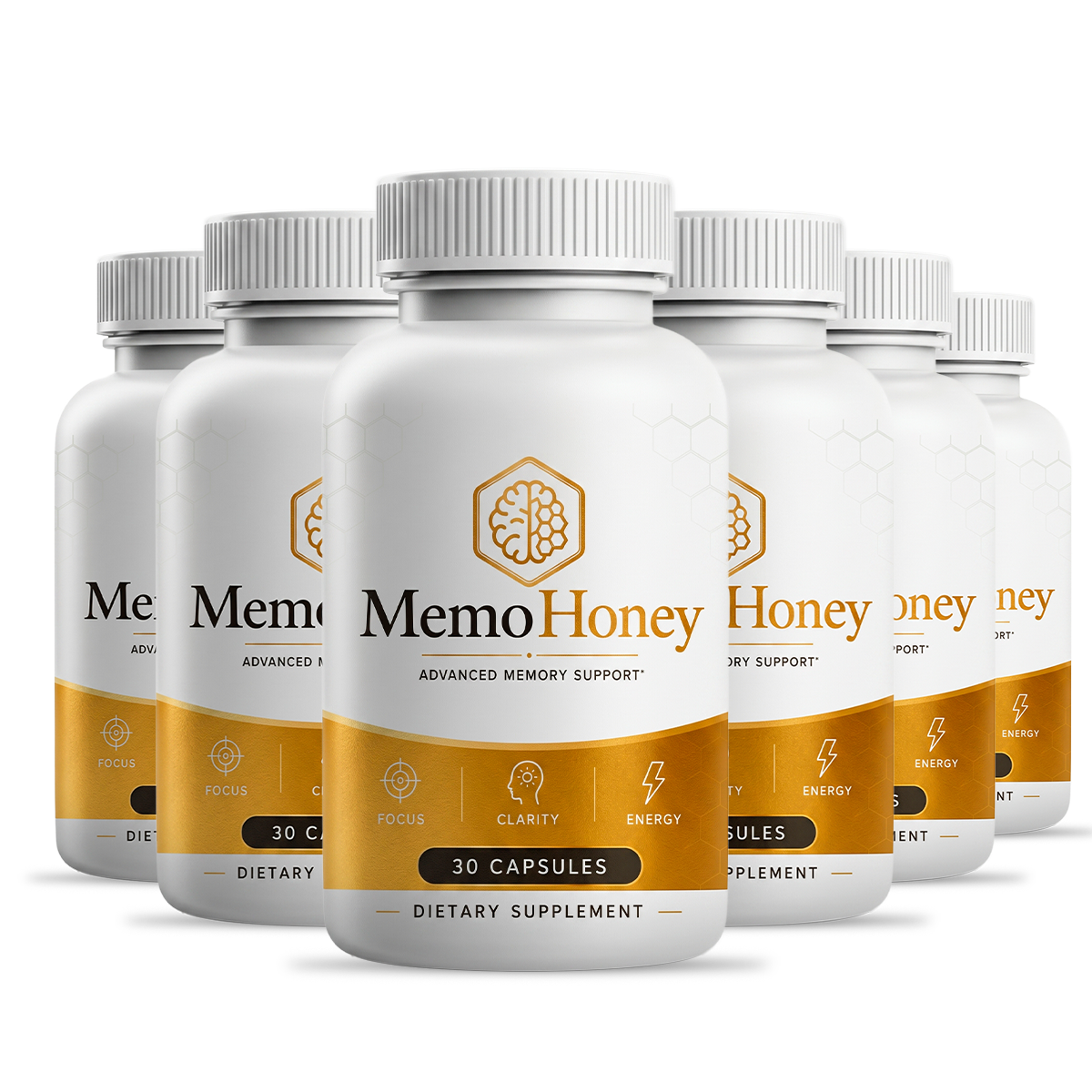
Many readers who follow the advice in this blog also ask about MemoHoney. It is a daily capsule formulated without harsh stimulants, and our how it works page sets out the approach in plain language.
Pricing, shipping and the guarantee are all set out on the MemoHoney official website. Read them calmly, check the label with your pharmacist if you take medication, and decide in your own time.
The Bottom Line
Clear thinking about oxidative stress in the brain protects both your health and your wallet. Take what is useful here, leave what does not apply to you and keep learning.
Check MemoHoney Official Pricing