Talking to Your Pharmacist: Separating Myth From Fact
Misinformation spreads quickly in health topics, and talking to your pharmacist about supplements is no exception. This article tackles the most common misconceptions and replaces them with what the evidence supports.
Pharmacists are among the most accessible healthcare professionals and are trained in how medicines and supplements interact. A short conversation can prevent a lot of problems. Marketing is designed to move you toward a purchase. Knowing the rules around talking to your pharmacist about supplements helps you slow down and decide on your own terms.
Why Myths About Talking to Your Pharmacist Spread
Online shopping habits from other product categories do not always transfer safely to things you swallow every day. Many people never mention supplements to anyone, which leaves an obvious safety gap.
Myth 1: Pharmacists only deal with prescriptions
Fact: They are trained to advise on over-the-counter products and supplements too. Pharmacists can check a supplement label against your prescriptions in minutes.
Myth 2: Supplements are too minor to mention
Fact: Several common supplements have significant interactions with medicines. Many pharmacies offer free medication reviews.
Myth 3: If it is sold online, someone must have checked it
Fact: Supplements do not need approval before sale, and online marketplaces do not verify contents.
Myth 4: A money-back guarantee removes all risk
Fact: Guarantees have windows and conditions that decide whether they can actually be used.
What Is Actually True
- Bringing the physical bottles gives the pharmacist the most accurate information.
- Pharmacists can flag ingredients that duplicate those in other products.
- They can advise on timing, such as separating minerals from certain antibiotics.
- Pharmacists can suggest when a symptom needs a doctor rather than a supplement.
What Official Guidance Says
Surveys have found that many supplement users do not tell their doctors what they take. Pharmacists have access to interaction databases and can review all your products at once, often without an appointment. Even where evidence is encouraging, it rarely supports dramatic promises. Modest, gradual effects are the norm in brain health research.
Pharmacists can also help with practical questions, such as whether a capsule can be opened, whether a product contains gluten or gelatin, and how to fit a supplement around a complicated medicine schedule.
You can cross-check what you read here against the NIH Office of Dietary Supplements, which has no product to sell.
Practical Alternatives
These practical steps are a sensible place to start:
- Bring every bottle, including vitamins and herbal teas.
- Mention any upcoming surgery or procedure.
- Ask what side effects to watch for.
- Write down the advice so you remember it later.
A simple example helps. A reader with five prescriptions brings a new memory supplement to the pharmacy counter. Within minutes, the pharmacist can confirm whether any ingredient conflicts with those medicines.
More Useful Context
Save your order confirmation email and note the order date in your calendar. If you decide to request a refund, having the date and order number ready makes the process quicker and avoids missed deadlines.
Remember that you can always ask the seller questions before paying. A reputable company will answer clearly about ingredients, doses, testing and returns, and a vague or pushy response is itself useful information.
Check the lot number and expiry date as soon as a parcel arrives. If the packaging is damaged, seals are broken or the label looks different from the official product images, contact the seller before taking any capsules.
A Note on MemoHoney
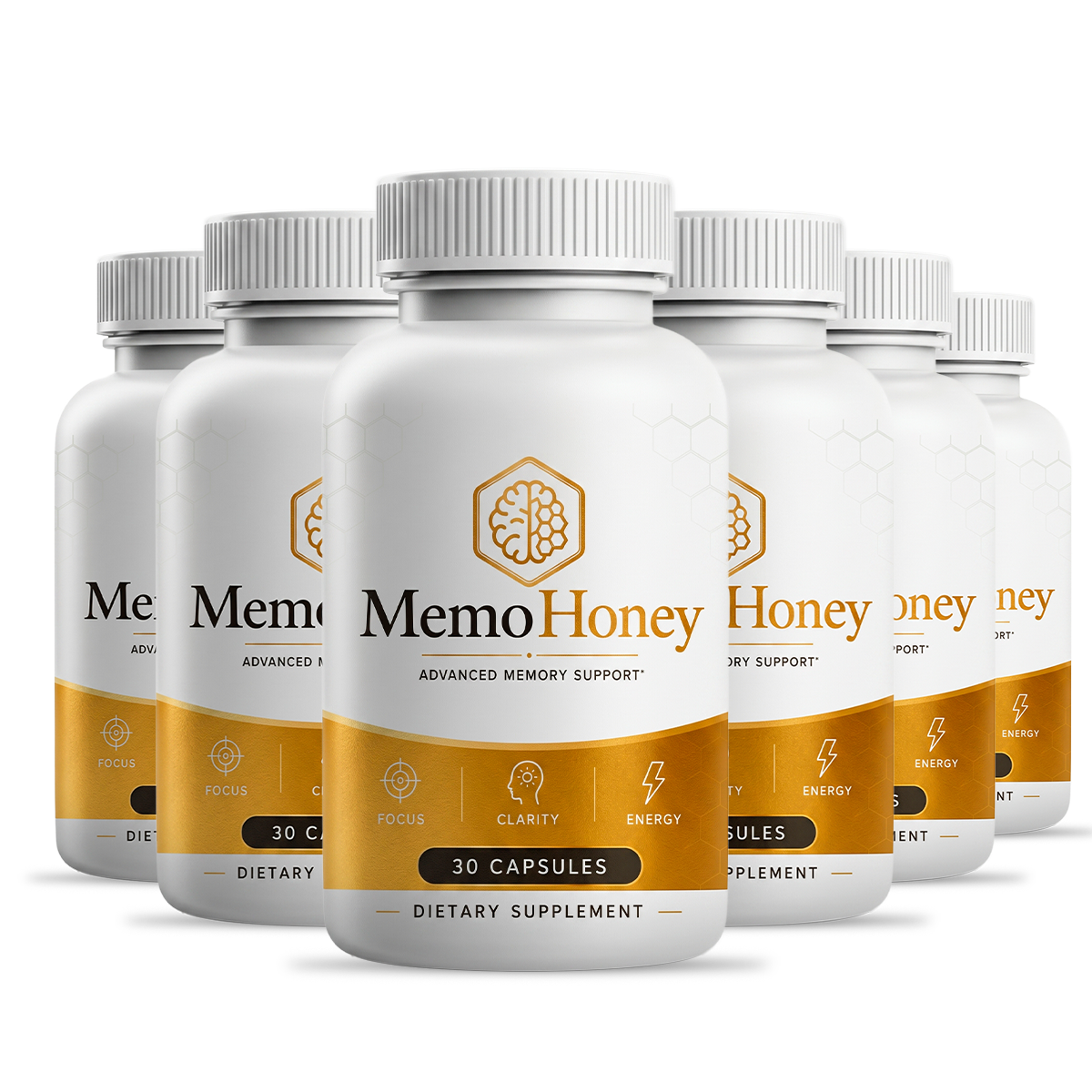
The same checks apply to MemoHoney. It is sold through the MemoHoney official website, and orders there are covered by a 60-day refund window counted from the original purchase date, as set out in our refund policy.
Pricing, shipping and the guarantee are all set out on the MemoHoney official website. Read them calmly, check the label with your pharmacist if you take medication, and decide in your own time.
The Bottom Line
When it comes to talking to your pharmacist about supplements, the most reliable path is also the least exciting: accurate information, realistic expectations and steady habits. That combination rarely disappoints.
Check MemoHoney Official Pricing