Supplement and Drug Interactions: What the Rules Actually Say
Claims about supplement and drug interactions are easy to find. Careful summaries of the evidence are much rarer. This article looks at what research has actually tested, what it found and where the gaps remain.
Supplements can change how medicines are absorbed, broken down or how strongly they act. Some interactions are mild; others can be serious.
Anyone taking prescription medicine should treat a new supplement as something to check, not just something to buy. Informed buyers get better value and fewer surprises. This topic is one of the most useful places to start.
What You Need to Know First
Well-documented interactions include St John's wort reducing the effectiveness of many drugs, ginkgo and fish oil adding to the effect of blood thinners, and some herbs affecting blood sugar or blood pressure. The NIH's National Center for Complementary and Integrative Health advises telling all healthcare providers about supplements you take. This is a good example of why details, not headlines, should guide decisions.
Who Regulates What
Unlike medicines, supplements do not need to prove safety or effectiveness before they are sold. Enforcement usually happens afterwards, through warning letters, recalls or legal action.
Interactions can work in both directions: a supplement can increase a drug's effect, raising the risk of side effects, or reduce it, making treatment fail. Both can be dangerous, particularly for medicines with a narrow margin between effective and harmful doses.
Averages can hide a lot of variation. A study may report a modest improvement overall while some participants changed a great deal and others not at all.
What This Means in Practice
- Many interactions happen in the liver, where enzymes such as CYP3A4 process both drugs and herbs.
- Ingredients that thin the blood can raise bleeding risk with anticoagulants.
- Supplements that lower blood pressure can add to blood pressure medication.
- Some supplements need to be stopped before surgery.
- Grapefruit is a well-known food example of a drug interaction.
- Pharmacists can check interactions quickly using professional databases.
Gaps Buyers Should Know About
Official bodies such as the NIH tend to describe the evidence conservatively. That caution is a feature, not a flaw. A related misconception is worth naming: Natural products cannot interact with medicines. In fact, many herbs and nutrients have well-documented interactions.
A second misreading of the evidence: If a supplement is sold without prescription, it must be safe with any drug. In fact, over-the-counter availability says nothing about interactions.
Reading Claims Critically
A trustworthy source explains limitations as well as benefits. If everything sounds perfect, something is probably being left out.
For a second opinion from a public source, see the FDA dietary supplements hub.
Practical Implications
If you want to act on this, begin with the following:
- Keep an up-to-date list of every medicine and supplement you take.
- Bring the list or the bottles to appointments.
- Ask a pharmacist before starting anything new.
- Report unusual symptoms after starting a supplement.
A simple example helps. Someone taking warfarin who starts a supplement containing ginkgo and fish oil could see their bleeding risk rise. Their anticoagulation clinic would want to know before the change, not after.
Other Things Worth Knowing
Be wary of any source that promises fast, dramatic or guaranteed results. Genuine brain-health improvements are usually gradual and depend on several factors working together.
Above all, keep expectations realistic. Brain health improves through many small decisions made consistently, not through any single change.
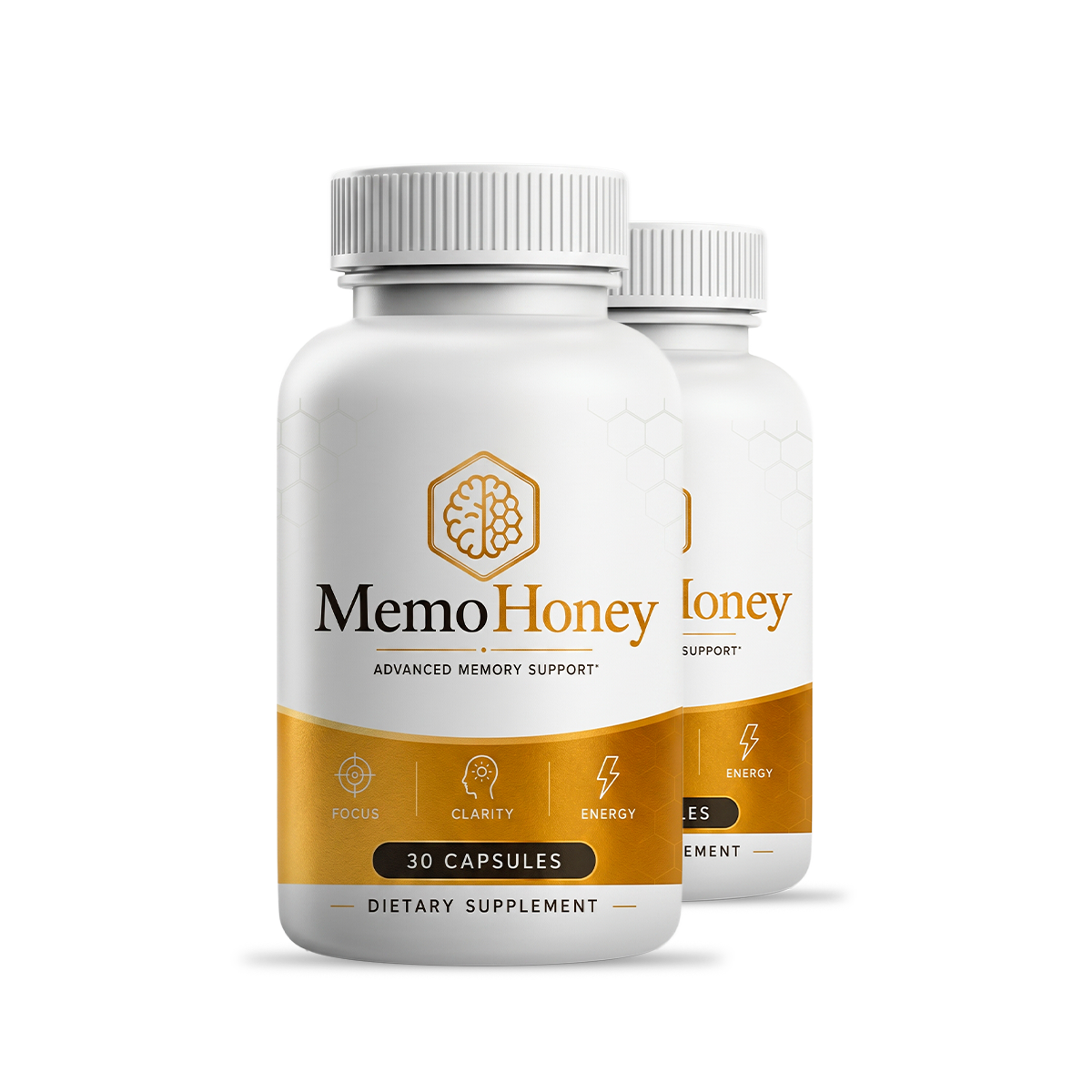
MemoHoney and This Topic
We encourage readers to apply these checks to every purchase, including ours. The MemoHoney reviews page lists the genuine pros and cons, and the refund policy explains exactly how the 60-day window works.
For the full details, visit the MemoHoney official website. Its pricing section shows the per-bottle cost for each bundle so you can work out the cost per day before ordering.
Final Thoughts
Good information turns supplement and drug interactions from a source of confusion into something you can act on sensibly. Start small, track honestly and adjust as you learn what works for you.
Check MemoHoney Official Pricing