The Science Behind Sunlight and Your Body Clock
Claims about sunlight and the body clock are easy to find. Careful summaries of the evidence are much rarer. This article looks at what research has actually tested, what it found and where the gaps remain.
The body clock, or circadian rhythm, regulates sleep, alertness, hormones and body temperature over roughly 24 hours. Light, especially sunlight, is its most powerful signal.
A well-set body clock brings better sleep at night and sharper focus during the day. Small, repeatable changes are easier to sustain than dramatic overhauls, and they tend to compound over months and years.
The Evidence in Brief
Research shows morning light advances the body clock and helps people fall asleep earlier, while bright light late in the evening delays it. Studies in offices and schools link greater daylight exposure with better sleep and alertness. This is a good example of why details, not headlines, should guide decisions.
How the Evidence Is Gathered
Public health guidelines are built on reviews of many studies, which is why they tend to be cautious and conservative.
The body clock is set by specialised light-sensitive cells in the eye that respond most strongly to blue-rich daylight. They signal a small brain region called the suprachiasmatic nucleus, the master clock.
Association is not causation. When people who do something also have better memory, other factors such as income, education or general health may explain the link.
Key Findings
- Outdoor light is many times brighter than typical indoor lighting, even on cloudy days.
- Morning light exposure helps regulate melatonin timing.
- Evening screen light can delay sleep onset.
- Shift work disrupts the body clock and is linked with memory complaints.
- Seasonal changes in daylight affect mood and energy for some people.
- Vitamin D is made in the skin with sunlight but is a separate issue from the body clock.
Where the Evidence Gets Thin
Where studies disagree, the most cautious interpretation is usually the safest one to act on. A related misconception is worth naming: Indoor lighting is as good as daylight. In fact, outdoor light is far brighter and a much stronger signal for the body clock.
A second misreading of the evidence: The body clock only affects sleep. In fact, it influences alertness, mood, hormones and many other functions.
Spotting Overstated Claims
When you see a bold claim, ask three questions: who was studied, how much was used and for how long. If a source cannot answer those, treat the claim with caution.
You can cross-check what you read here against the National Center for Complementary and Integrative Health, which has no product to sell.
Turning Evidence Into Action
Try building these habits into your routine:
- Spend 10 to 30 minutes outdoors in the morning.
- Work near a window where possible.
- Dim lights in the evening.
- Keep a regular sleep and wake schedule.
Consider a common scenario. A remote worker who spends all day indoors under dim lighting may feel groggy in the morning and wired at night. A short morning walk can help realign that pattern.
More Useful Context
If you have questions this article does not answer, your doctor or pharmacist can give advice that reflects your full health history.
Many of these habits reinforce each other. Better sleep makes exercise easier, exercise improves mood, and a better mood makes healthy eating more likely.
Tracking a habit on a calendar or app can help, but it does not need to be perfect. Missing a day occasionally has little effect on long-term progress, as long as you return to the routine.
MemoHoney and This Topic
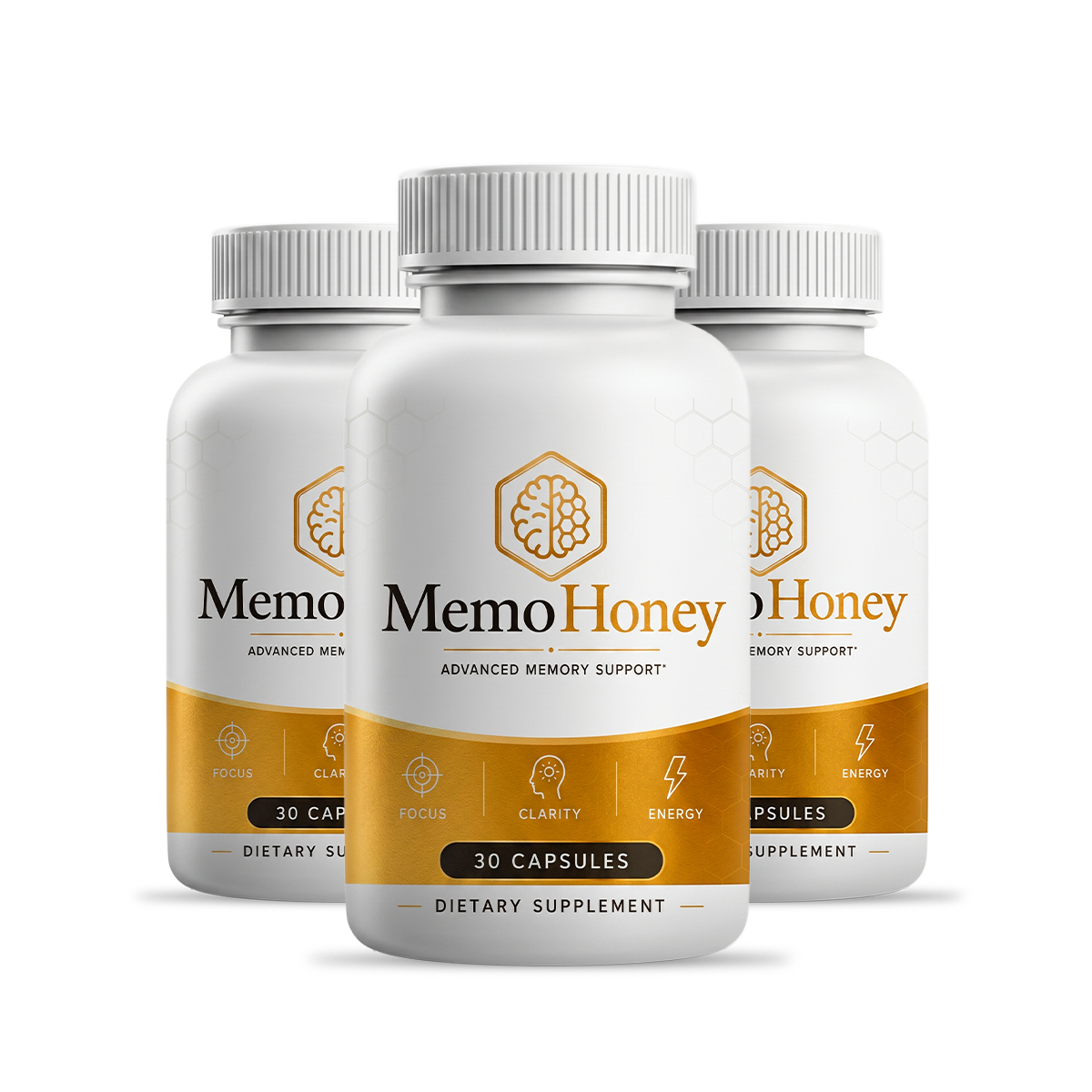
No capsule can substitute for the habits described above. MemoHoney is intended as one small part of a routine that already includes sleep, movement and good nutrition. The MemoHoney benefits page explains what it is formulated to support.
When you are ready, you can compare bundle sizes on the MemoHoney official website. Choose a quantity that matches how long you plan to try it, and keep your confirmation email for the refund policy.
The Bottom Line
Sunlight and the body clock rewards a careful, curious approach. Ask good questions, check your sources and remember that your doctor or pharmacist is an ally in every decision.
Check MemoHoney Official Pricing