Alcohol and Memory: Separating Myth From Fact
Some beliefs about alcohol and memory are half right, some are outdated and a few are simply wrong. Here we separate them clearly.
Alcohol affects memory in the short term, by interfering with the formation of new memories, and in the long term, through its effects on brain structure. The more you drink, the greater the effects. Lifestyle factors influence memory both directly and through their effects on sleep, mood and heart health.
Why Misconceptions Persist
Because habits are personal, individual stories spread easily and can seem more convincing than population research. Cutting back is one of the most direct changes you can make for brain health.
Myth 1: A glass of red wine protects the brain
Fact: Evidence for any brain benefit from alcohol is weak, and risks rise with intake. Blackouts happen when alcohol blocks memory formation in the hippocampus.
Myth 2: Alcohol only affects memory when you are drunk
Fact: Regular drinking can affect sleep and brain structure over time. Alcohol disrupts REM sleep, which affects memory consolidation.
Myth 3: You need a lot of time for habits to make a difference
Fact: Short daily habits, repeated consistently, can have meaningful effects.
Myth 4: Healthy habits only matter when you are young
Fact: Studies show benefits from adopting healthier habits even in later life.
The Facts Worth Remembering
- Long-term heavy drinking can cause thiamine deficiency and serious memory disorders.
- US dietary guidelines advise no more than two drinks a day for men and one for women, if people drink at all.
- Alcohol interacts with many medicines, including sleep aids and pain relievers.
- Several drink-free days a week reduce total intake.
What the Evidence Actually Says
Heavy drinking is associated with brain shrinkage and a higher risk of dementia, and the Lancet Commission lists excessive alcohol as a modifiable risk factor. A large UK Biobank study found associations between even moderate drinking and lower brain volume. Where studies disagree, the most cautious interpretation is usually the safest one to act on.
Alcohol-related brain changes are partly reversible. Studies of people who stop heavy drinking show some recovery in brain volume and thinking skills over months, which is an encouraging reason to cut down at any age.
The National Center for Complementary and Integrative Health is a useful source for checking claims independently.
Practical Alternatives
Here is how to apply the key points in everyday life:
- Track how many drinks you have in a typical week.
- Alternate alcoholic drinks with water.
- Choose alcohol-free days each week.
- Avoid drinking close to bedtime.
Here is how this plays out in everyday life. Someone who drinks two glasses of wine most evenings might start with three alcohol-free nights a week and notice better sleep within a fortnight.
Beyond the Basics
Habits are easier to keep when they are attached to something you already do, such as a morning coffee or an evening walk. This technique, sometimes called habit stacking, reduces the need for willpower.
It is rarely too late to benefit. Studies of exercise, diet and social activity in older adults show improvements in wellbeing and function even when habits change later in life.
Involving family or friends can make new routines more enjoyable and more durable, and it spreads the benefits to the people around you.
Involving family or friends makes habits more enjoyable and more likely to last. A shared walk, a regular phone call or cooking together adds social connection to the benefit.
How This Relates to MemoHoney
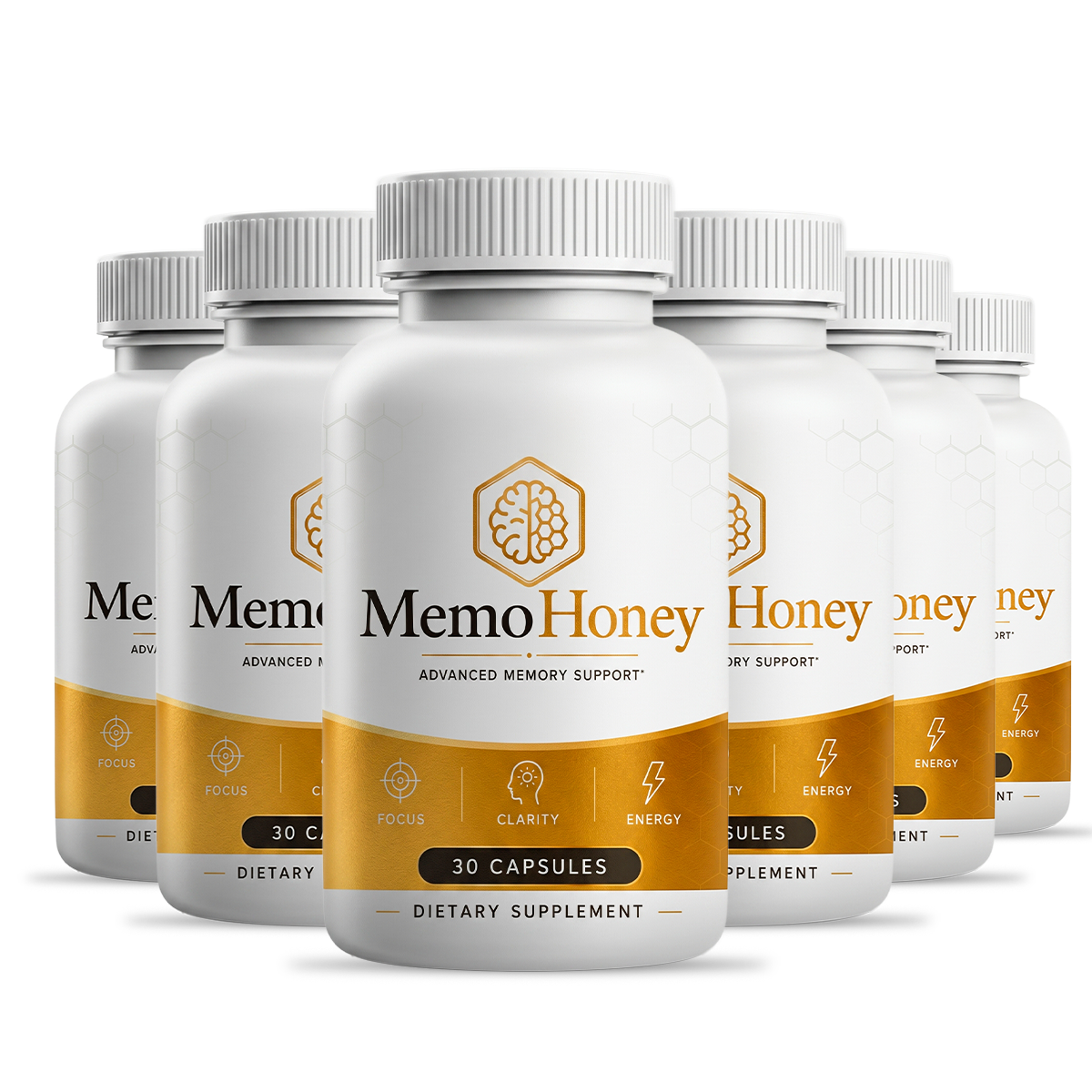
Many readers who follow the advice in this blog also ask about MemoHoney. It is a daily capsule formulated without harsh stimulants, and our how it works page sets out the approach in plain language.
The MemoHoney official website is the only authorised place to order. There you can see the official MemoHoney pricing and the terms of the 60-day guarantee side by side.
Summing Up
Understanding alcohol and memory will not transform your memory overnight, but it will help you choose what is worth your time, money and attention. That is a genuine advantage.
Check MemoHoney Official Pricing