Stress and Memory: What Readers Ask Most
Readers ask us about stress, cortisol and memory regularly, so we have gathered the most common questions in one place. Each answer is short, direct and based on the best available evidence.
What is the short explanation of stress, cortisol and memory?
Stress triggers the release of hormones such as adrenaline and cortisol. In short bursts they sharpen attention, but prolonged high levels can interfere with how the brain learns and retrieves information. If your memory feels worse during demanding periods, stress may be doing more of the damage than ageing.
Why does this matter?
Memory and focus are not single abilities but systems with many parts. Knowing where stress, cortisol and memory fits helps you target the right part of the problem. Slow breathing activates the parasympathetic nervous system, which counters the stress response.
Is there good evidence behind this?
Laboratory studies show acute stress can impair retrieval, which is why people blank during exams. Long-term studies link chronic stress and high cortisol with poorer memory and changes in the hippocampus and prefrontal cortex. Cortisol follows a daily rhythm, normally peaking shortly after waking.
The hippocampus has many receptors for stress hormones, which helps it regulate the stress response but also makes it sensitive to prolonged exposure. The prefrontal cortex, which supports working memory, is similarly affected, which is why stress makes it harder to think flexibly.
Which details matter most?
- Acute stress tends to strengthen memory for the stressful event itself.
- Stress at the moment of recall makes retrieval harder, a common cause of blanking.
- Chronic stress is linked with poorer sleep, which further harms memory.
- Regular exercise and social support are both associated with healthier stress responses.
Who should be careful?
Persistent stress, anxiety or low mood deserves professional support, and a doctor can check for medical causes of fatigue and forgetfulness. Anyone taking prescription medicine should check before adding a new supplement or making a major lifestyle change.
What practical steps help?
- Build short recovery breaks into busy days.
- Practise retrieval under mild pressure before important events.
- Use slow breathing before presentations or exams.
- Talk to someone you trust when pressure builds.
What does this look like in real life?
A speaker who knows their presentation perfectly may go blank when they see a packed room. Rehearsing in front of a small audience first makes the real event feel less threatening and retrieval easier.
What is a common misconception?
Many people believe that a supplement can cancel out a stressful lifestyle. No product replaces sleep, recovery and dealing with the source of stress.
A second belief is that all stress is bad for memory. In reality, brief, manageable stress can sharpen attention; the problem is intense or prolonged stress. Another frequent error: another is looking for a single fix while ignoring the basics of sleep, stress and physical health, which drive so much of how the brain performs.
How do you judge results fairly?
If you share your notes with a doctor or pharmacist, they can help interpret changes and spot anything that needs attention.
Any other points to consider?
Researchers continue to refine their understanding, and some details in this field may change as new studies are published. The broad principles, however, have proven remarkably stable.
Information on health topics changes as new research is published. Checking the date of any article, including this one, and looking for recent reviews helps keep your understanding current.
Individual differences are large. Two people of the same age can have very different memory profiles, shaped by genetics, education, health and daily habits.
Memory is also deeply connected to emotion and meaning. Information that matters to you personally, or that connects to what you already know, is far easier to retain than isolated facts.
How does this relate to MemoHoney?
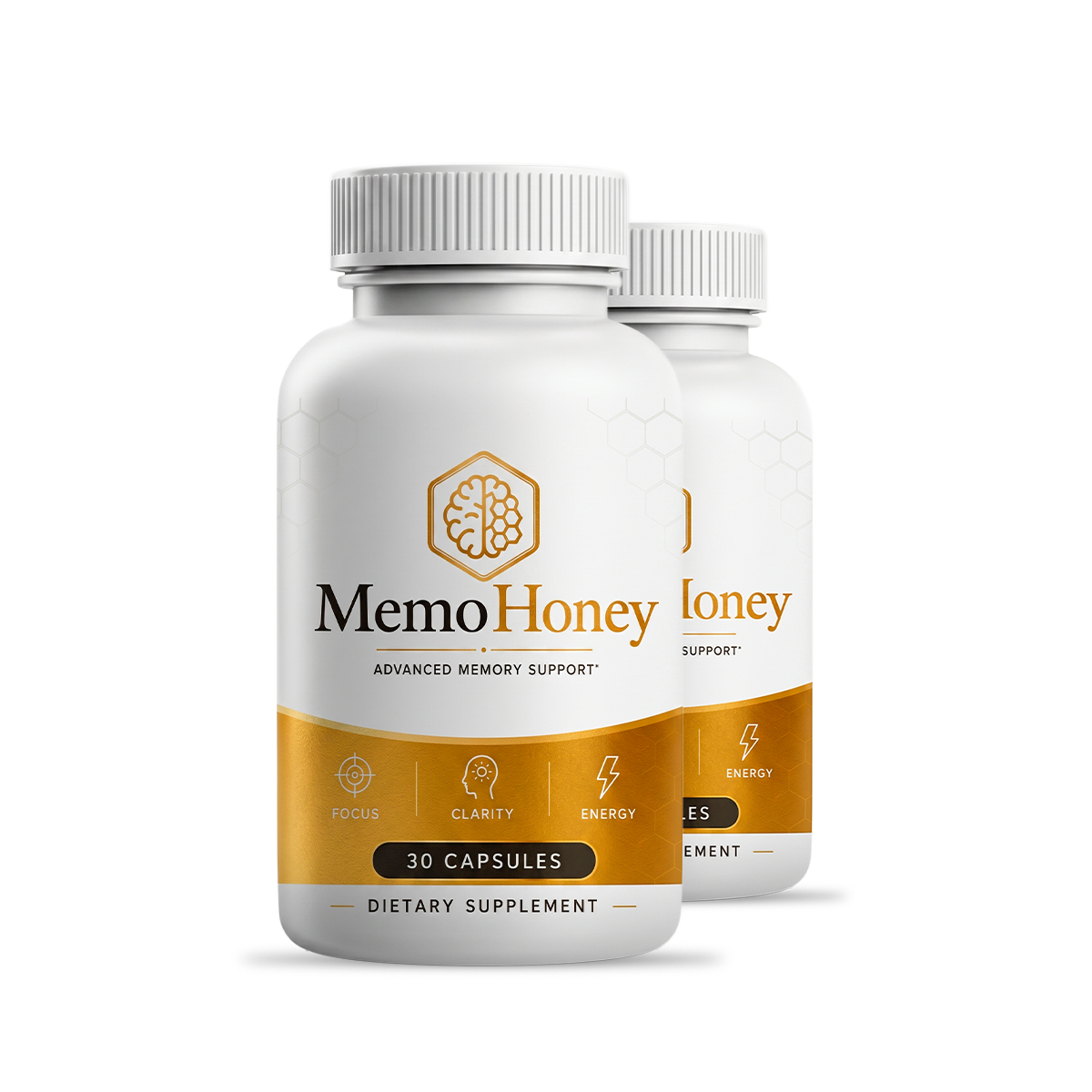
Supplements work best when expectations are realistic. MemoHoney is designed for consistent daily use over weeks, not for an instant effect, and our MemoHoney reviews page is open about that.
Current bundles and the MemoHoney sale pricing are listed on the MemoHoney official website. Each bottle holds 30 capsules, which is one month at the labelled serving.
So what should you do?
Good information turns stress, cortisol and memory from a source of confusion into something you can act on sensibly. Start small, track honestly and adjust as you learn what works for you.
Check MemoHoney Official Pricing