Stress and Memory: A Practical Checklist
Practical advice is only useful if it is safe and realistic. This guide to stress, cortisol and memory aims to be both.
Getting Clear on Stress and Memory
Stress triggers the release of hormones such as adrenaline and cortisol. In short bursts they sharpen attention, but prolonged high levels can interfere with how the brain learns and retrieves information. Cortisol follows a daily rhythm, normally peaking shortly after waking.
The hippocampus has many receptors for stress hormones, which helps it regulate the stress response but also makes it sensitive to prolonged exposure. The prefrontal cortex, which supports working memory, is similarly affected, which is why stress makes it harder to think flexibly.
If your memory feels worse during demanding periods, stress may be doing more of the damage than ageing. Understanding how the brain actually works makes it much easier to spot claims that do not add up, and to choose habits that genuinely help.
A Simple Checklist
Try building these habits into your routine:
- Build short recovery breaks into busy days.
- Practise retrieval under mild pressure before important events.
- Use slow breathing before presentations or exams.
- Talk to someone you trust when pressure builds.
To put this in context, a speaker who knows their presentation perfectly may go blank when they see a packed room. Rehearsing in front of a small audience first makes the real event feel less threatening and retrieval easier.
The reasoning behind the checklist is straightforward. Acute stress tends to strengthen memory for the stressful event itself. Stress at the moment of recall makes retrieval harder, a common cause of blanking.
Why the Research Backs This
Laboratory studies show acute stress can impair retrieval, which is why people blank during exams. Long-term studies link chronic stress and high cortisol with poorer memory and changes in the hippocampus and prefrontal cortex.
Common Mistakes to Avoid
Finally, it is easy to put off seeing a doctor about changes that genuinely warrant it. Early assessment helps. People also underestimate how much attention shapes memory. Much of what feels like forgetting is really information that was never properly taken in.
Two misconceptions also trip people up. The first is that all stress is bad for memory. In reality, brief, manageable stress can sharpen attention; the problem is intense or prolonged stress. The second is that a supplement can cancel out a stressful lifestyle. Actually, no product replaces sleep, recovery and dealing with the source of stress.
Who Should Be Careful
Measuring What Changes
Compare like with like. A stressful week will feel worse regardless of anything else you do, so note major events alongside your ratings.
Facts to Keep in Mind
- Chronic stress is linked with poorer sleep, which further harms memory.
- Regular exercise and social support are both associated with healthier stress responses.
- Slow breathing activates the parasympathetic nervous system, which counters the stress response.
You can cross-check what you read here against PubMed, which has no product to sell.
Beyond the Basics
Popular science headlines often overstate early findings. A single brain-imaging study or animal experiment is a starting point for research, not proof that a habit or product changes human memory.
Researchers continue to refine their understanding, and some details in this field may change as new studies are published. The broad principles, however, have proven remarkably stable.
Finally, keep perspective. Everyone forgets things, and occasional lapses are a normal part of how a healthy brain manages the enormous amount of information it encounters.
How This Relates to MemoHoney
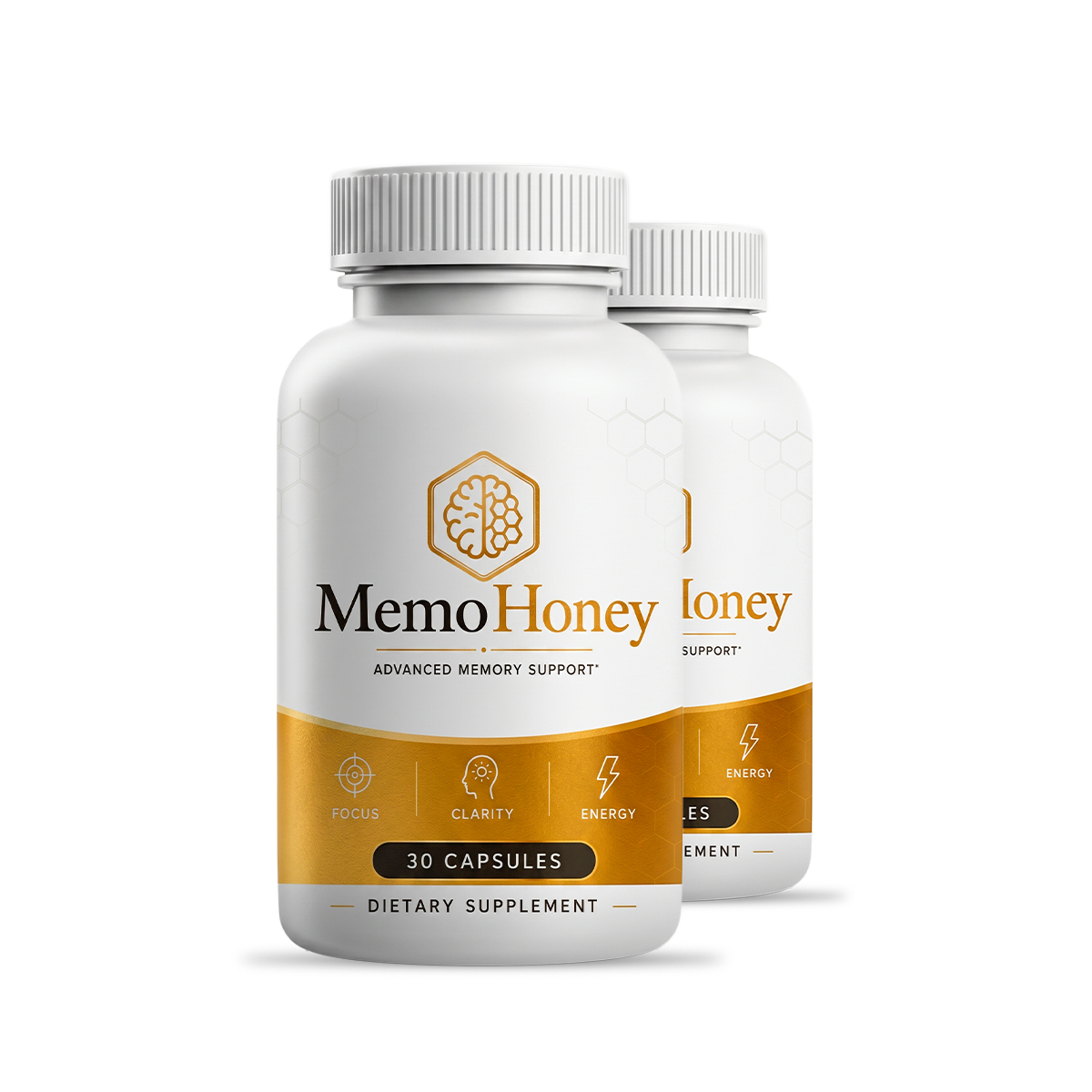
We would always put the basics first. Once they are in place, some people choose to add a daily memory-support supplement such as MemoHoney, which you can learn about on the what is MemoHoney page.
The MemoHoney official website is the only authorised place to order. There you can see the official MemoHoney pricing and the terms of the 60-day guarantee side by side.
The Bottom Line
There is no shortcut around the basics, but understanding stress, cortisol and memory helps you make better use of them. Keep this guide handy and revisit it when new claims come your way.
Check MemoHoney Official Pricing