Common Myths About Oxidative Stress and the Brain
Clearing up misconceptions is one of the quickest ways to make better choices. This guide does that for oxidative stress in the brain.
Oxidative stress happens when unstable molecules called free radicals outnumber the body's antioxidant defences. The brain is especially vulnerable because it uses a lot of oxygen and contains fats that oxidise easily. Brain science can sound abstract, but it has direct practical consequences for how you sleep, work and learn.
Where the Confusion Comes From
Some myths are simply outdated. Neuroscience has changed a great deal in recent decades, and older ideas still circulate. Antioxidant claims are everywhere in memory marketing, so it pays to know what the research actually supports.
Myth 1: More antioxidants always mean a healthier brain
Fact: Megadose antioxidant trials have been disappointing, and some showed harm. Free radicals are a normal by-product of metabolism and also play useful signalling roles.
Myth 2: All free radicals are harmful
Fact: Free radicals also act as signals the body needs, including during exercise adaptation. The body produces its own antioxidants, including glutathione.
Myth 3: Forgetting means your brain is failing
Fact: Forgetting is a normal filtering process that helps the brain prioritise important information.
Myth 4: We only use ten percent of our brains
Fact: Imaging shows activity across virtually the whole brain, even during sleep.
The Facts Worth Remembering
- Berries, leafy greens, nuts and tea supply many dietary antioxidants.
- High-dose beta-carotene supplements increased lung cancer risk in smokers in large trials.
- Exercise briefly increases free radicals but strengthens antioxidant defences over time.
- Smoking and heavy alcohol use greatly increase oxidative stress.
What the Evidence Actually Says
Laboratory research links oxidative damage with brain ageing and neurodegenerative disease. However, large trials of high-dose antioxidant supplements such as vitamin E and beta-carotene have generally not shown cognitive protection, while diets rich in fruits and vegetables are associated with better outcomes. Where studies disagree, the most cautious interpretation is usually the safest one to act on.
The brain relies on antioxidant enzymes such as superoxide dismutase and on compounds like glutathione to keep free radicals in check. Some researchers now focus less on swallowing antioxidants and more on supporting the body's own defence systems through diet and exercise.
You can cross-check what you read here against PubMed, which has no product to sell.
What to Do Instead
If you want to act on this, begin with the following:
- Eat a variety of colourful fruits and vegetables every day.
- Be sceptical of antioxidant claims based only on lab or animal studies.
- Avoid megadoses of single antioxidants unless a doctor advises them.
- Stay active, which builds natural antioxidant defences.
A real-world example makes this clearer. A person might buy a megadose antioxidant capsule while eating few fruits or vegetables. Research suggests the colourful plate is the better bet, and it comes with fibre and other nutrients too.
More Useful Context
Information on health topics changes as new research is published. Checking the date of any article, including this one, and looking for recent reviews helps keep your understanding current.
Cognitive abilities do not all change at the same rate. Vocabulary and general knowledge often hold steady or improve into older age, while processing speed tends to slow gradually from early adulthood.
The Lancet Commission estimates that addressing modifiable risk factors across life could prevent or delay a substantial share of dementia cases, which makes everyday habits a meaningful part of brain health.
MemoHoney and This Topic
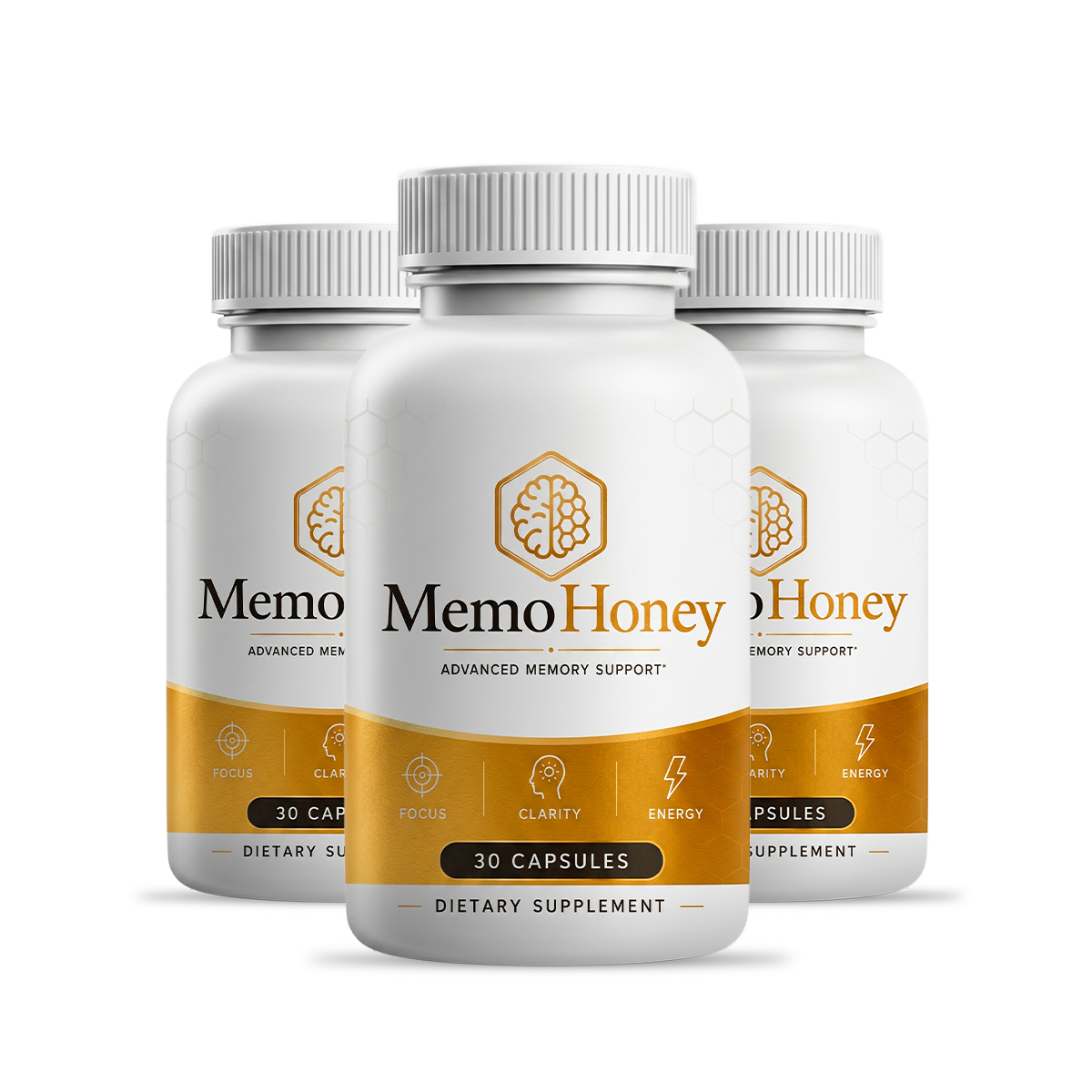
We would always put the basics first. Once they are in place, some people choose to add a daily memory-support supplement such as MemoHoney, which you can learn about on the what is MemoHoney page.
If you decide to try it, the current MemoHoney discount is shown in the pricing section of the MemoHoney official website, with 2, 3 and 6 bottle options and a 60-day refund window from the purchase date.
Summing Up
When it comes to oxidative stress in the brain, the most reliable path is also the least exciting: accurate information, realistic expectations and steady habits. That combination rarely disappoints.
Check MemoHoney Official Pricing