Sleep Hygiene for Memory Explained Clearly
Before you can make sensible choices about memory and focus, it helps to understand the building blocks. Sleep hygiene is one of them, and this guide explains it from the ground up.
Starting With the Basics
Sleep hygiene is the collection of habits and conditions that make good sleep more likely, from a regular schedule to a dark, cool bedroom. It is often the first recommendation for people who want sharper days.
A consistent wake time anchors the body clock more than a consistent bedtime. A bedroom temperature around the mid-60s Fahrenheit suits many people.
Where It Fits in Brain Health
Because sleep consolidates memory, improving it can do more for recall than almost any product. Lifestyle factors influence memory both directly and through their effects on sleep, mood and heart health.
What the Research Shows
The American Academy of Sleep Medicine recommends at least seven hours a night for adults. Cognitive behavioural therapy for insomnia, which includes sleep hygiene elements, is recommended as a first-line treatment for chronic insomnia. Many habit studies track people for years, measuring how daily routines relate to later memory and brain health.
Sleep hygiene works best as part of a broader approach. For persistent insomnia, cognitive behavioural therapy for insomnia teaches techniques such as stimulus control and sleep restriction that go beyond simple tips.
Duration is easy to overlook. A benefit measured after twelve weeks says little about the first few days, and short studies cannot reveal long-term effects.
You can cross-check what you read here against MedlinePlus, which has no product to sell.
The Facts That Matter Most
- Alcohol may help you fall asleep but disrupts sleep later in the night.
- Bright light in the morning helps set the body clock.
- Heavy meals close to bedtime can interfere with sleep.
- Lying awake for long periods can strengthen the link between bed and wakefulness.
Pitfalls to Watch For
Finally, many people drop a habit after a single missed day. Getting back on track quickly matters more than a perfect streak.
One misconception comes up often: Everyone needs exactly eight hours. In reality, needs vary, but most adults need at least seven hours.
A second belief deserves a closer look. A nightcap improves sleep. The evidence points elsewhere: alcohol fragments sleep and reduces its quality.
Putting It to Work
Here is how to apply the key points in everyday life:
- Keep the same wake time seven days a week.
- Get outdoor light within an hour of waking.
- Wind down for 30 minutes without screens before bed.
- Get up and do something calm if you cannot sleep after about 20 minutes.
To put this in context, someone who scrolls their phone in bed for an hour most nights may find that moving the charger to the kitchen is the single most effective sleep change they make.
Be honest in your notes, including the days you skipped a habit. Accurate records are far more useful than flattering ones.
Other Things Worth Knowing
It is rarely too late to benefit. Studies of exercise, diet and social activity in older adults show improvements in wellbeing and function even when habits change later in life.
It is also worth revisiting this topic every so often, as your circumstances, health and routines change over the years.
Small improvements add up. A little more sleep, a slightly better diet and a short daily walk may each seem minor, but together they support the brain in several ways at once.
How This Relates to MemoHoney
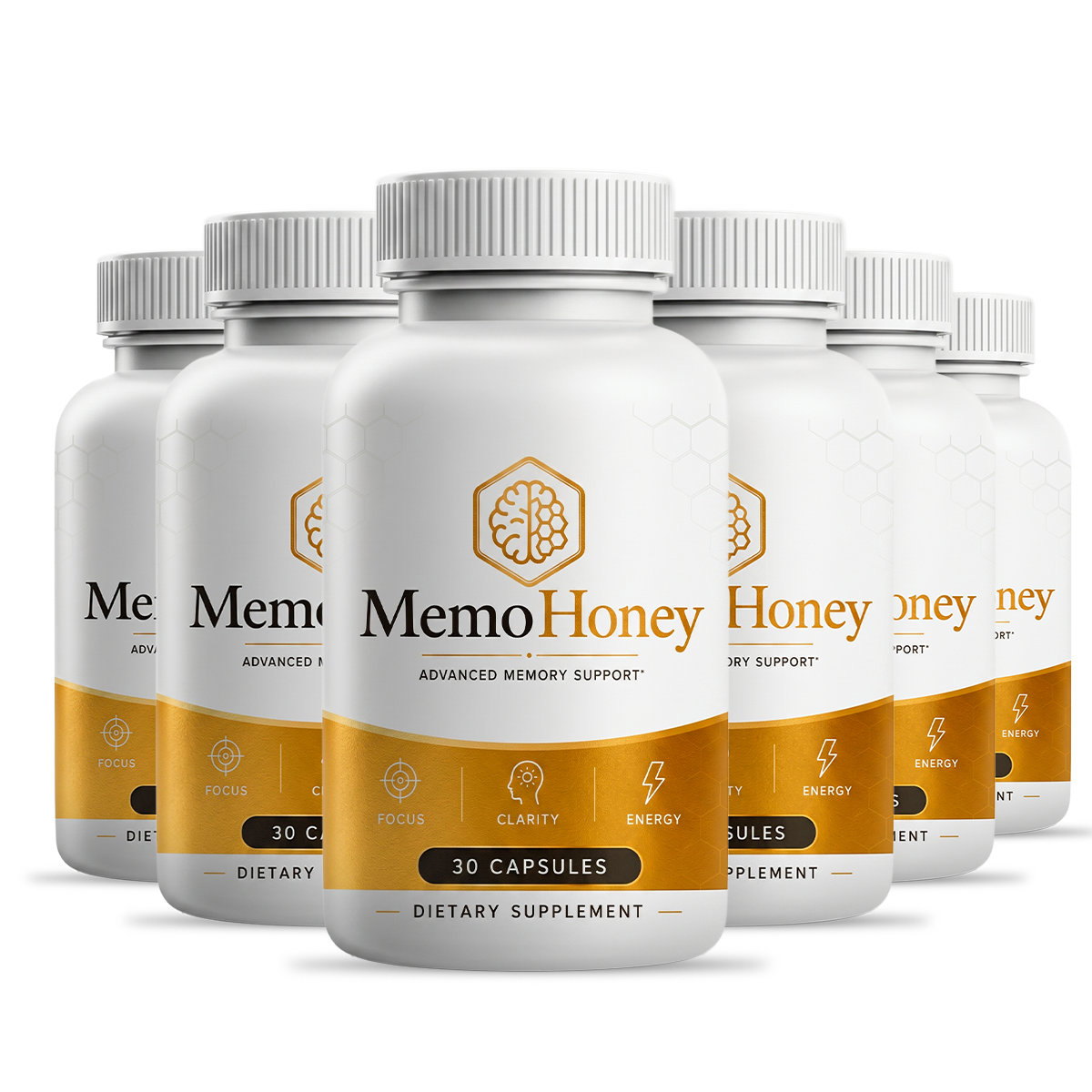
If you are exploring supplements alongside lifestyle changes, our MemoHoney ingredients page lists what is in each capsule, and the MemoHoney reviews page gives an honest summary of pros and cons.
For the full details, visit the MemoHoney official website. Its pricing section shows the per-bottle cost for each bundle so you can work out the cost per day before ordering.
The Bottom Line
Clear thinking about sleep hygiene protects both your health and your wallet. Take what is useful here, leave what does not apply to you and keep learning.
Check MemoHoney Official Pricing