Alcohol and Memory: What the Evidence Shows
Headlines tend to either oversell or dismiss alcohol and memory. The honest answer usually sits somewhere in between, and that is what we try to map out here.
Alcohol affects memory in the short term, by interfering with the formation of new memories, and in the long term, through its effects on brain structure. The more you drink, the greater the effects.
Cutting back is one of the most direct changes you can make for brain health. No supplement can replace the basics, but the basics can make any sensible routine work better.
The Short Answer
Heavy drinking is associated with brain shrinkage and a higher risk of dementia, and the Lancet Commission lists excessive alcohol as a modifiable risk factor. A large UK Biobank study found associations between even moderate drinking and lower brain volume. That is a more measured picture than advertising usually paints, but it is also a more useful one.
How the Evidence Is Gathered
Lifestyle research combines large population studies with randomised trials that assign people to change a habit. Trials are harder to run but offer the clearest evidence of cause and effect.
Alcohol-related brain changes are partly reversible. Studies of people who stop heavy drinking show some recovery in brain volume and thinking skills over months, which is an encouraging reason to cut down at any age.
Association is not causation. When people who do something also have better memory, other factors such as income, education or general health may explain the link.
Key Findings
- Blackouts happen when alcohol blocks memory formation in the hippocampus.
- Alcohol disrupts REM sleep, which affects memory consolidation.
- Long-term heavy drinking can cause thiamine deficiency and serious memory disorders.
- US dietary guidelines advise no more than two drinks a day for men and one for women, if people drink at all.
- Alcohol interacts with many medicines, including sleep aids and pain relievers.
- Several drink-free days a week reduce total intake.
What the Evidence Does Not Prove
Where studies disagree, the most cautious interpretation is usually the safest one to act on. A related misconception is worth naming: A glass of red wine protects the brain. In fact, evidence for any brain benefit from alcohol is weak, and risks rise with intake.
Another claim often attached to this topic: Alcohol only affects memory when you are drunk. In fact, regular drinking can affect sleep and brain structure over time.
How to Judge What You Read
Look for sources without a sales motive, such as government health agencies and independent medical libraries, to cross-check what you read.
If you want to read further, MedlinePlus publishes free, evidence-based information.
Turning Evidence Into Action
If you want to act on this, begin with the following:
- Track how many drinks you have in a typical week.
- Alternate alcoholic drinks with water.
- Choose alcohol-free days each week.
- Avoid drinking close to bedtime.
A real-world example makes this clearer. Someone who drinks two glasses of wine most evenings might start with three alcohol-free nights a week and notice better sleep within a fortnight.
Other Things Worth Knowing
Small improvements add up. A little more sleep, a slightly better diet and a short daily walk may each seem minor, but together they support the brain in several ways at once.
Many of these habits reinforce each other. Better sleep makes exercise easier, exercise improves mood, and a better mood makes healthy eating more likely.
Seasonal changes can disrupt routines. Planning indoor alternatives for exercise and daylight during winter helps keep habits steady throughout the year.
A Note on MemoHoney
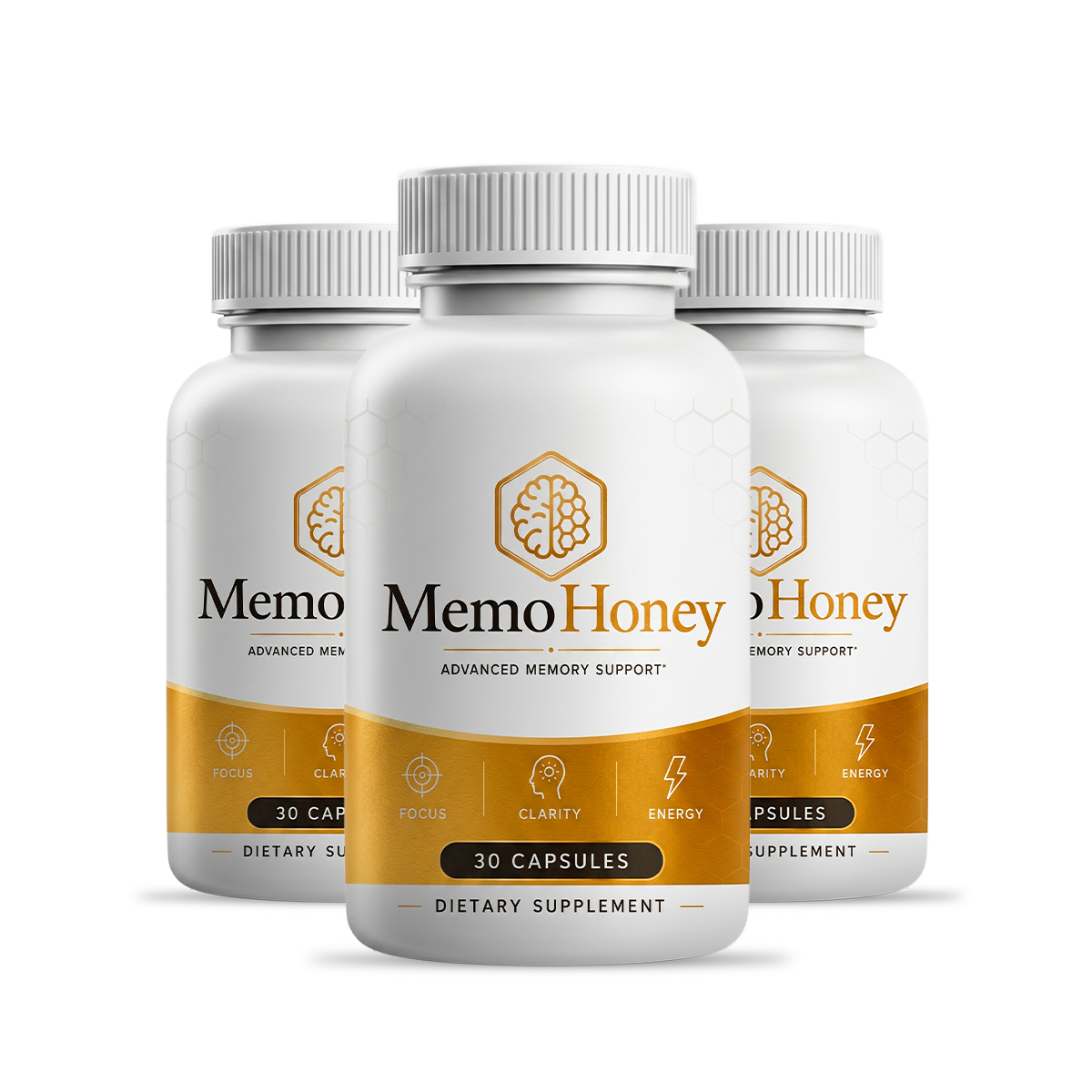
We would always put the basics first. Once they are in place, some people choose to add a daily memory-support supplement such as MemoHoney, which you can learn about on the what is MemoHoney page.
To avoid counterfeit stock, order only from the MemoHoney official website, where the MemoHoney discount is applied automatically to multi-bottle bundles.
Key Takeaway
The bottom line on alcohol and memory is simple: facts over hype, consistency over intensity and safety first. Everything else builds from there.
Check MemoHoney Official Pricing