The Rules Behind Proprietary Blends Explained
Evidence comes in different strengths, from lab experiments to large human trials. Knowing which kind supports a claim about proprietary blends changes how much weight it deserves.
A proprietary blend is a group of ingredients listed together under one total weight, without the amount of each individual ingredient. US rules allow this as a way for companies to protect their formulas.
Blends make it impossible to compare individual doses with research, which is why informed buyers pay close attention to them. Marketing is designed to move you toward a purchase. Knowing the rules around proprietary blends helps you slow down and decide on your own terms.
The Rules in Brief
Under FDA labelling rules, ingredients in a blend must be listed in descending order by weight, but individual amounts can be withheld. Critics, including consumer groups, argue this can hide small, ineffective doses of headline ingredients. The rest of this article explains what sits behind that summary.
The Legal Background
Supplement rules in the US come mainly from the Dietary Supplement Health and Education Act of 1994. The FDA oversees labels and manufacturing, while the FTC polices advertising and online marketing.
Blends are legal and common, and some companies use them simply to protect a formula from copying. The trade-off is that buyers, doctors and pharmacists lose the ability to check individual doses against research or safety limits.
Duration is easy to overlook. A benefit measured after twelve weeks says little about the first few days, and short studies cannot reveal long-term effects.
Details Every Buyer Should Know
- The first ingredient in a blend is present in the largest amount, the last in the smallest.
- A 500 mg blend with ten ingredients averages only 50 mg per ingredient.
- Many research doses for botanicals are in the hundreds of milligrams for a single ingredient.
- Some brands voluntarily disclose full amounts as a sign of transparency.
- A blend can include inexpensive fillers-like ingredients near the top of the list.
- You can ask a manufacturer directly for individual amounts, though they are not required to share them.
Gaps Buyers Should Know About
Where studies disagree, the most cautious interpretation is usually the safest one to act on. A related misconception is worth naming: Proprietary means special or superior. In fact, it simply means individual amounts are not disclosed.
Readers also meet this idea: A blend must be ineffective. In fact, not necessarily, but without amounts you cannot check doses against evidence.
How to Judge What You Read
When you see a bold claim, ask three questions: who was studied, how much was used and for how long. If a source cannot answer those, treat the claim with caution.
If you want to read further, the FTC consumer advice site publishes free, evidence-based information.
Practical Implications
A few simple actions put this knowledge to work:
- Divide the blend weight by the number of ingredients for a rough average.
- Check the order of ingredients to see what dominates.
- Compare with research doses for the ingredients you care most about.
- Email the company and ask for amounts, noting how they respond.
A real-world example makes this clearer. A label might show a 600 mg memory blend with eight ingredients. If the first ingredient makes up most of that weight, the remaining seven could be present in very small amounts.
A Few More Points to Consider
The FDA's MedWatch system accepts reports of side effects from dietary supplements. Reporting a problem helps regulators spot patterns, even if you are unsure the product caused it.
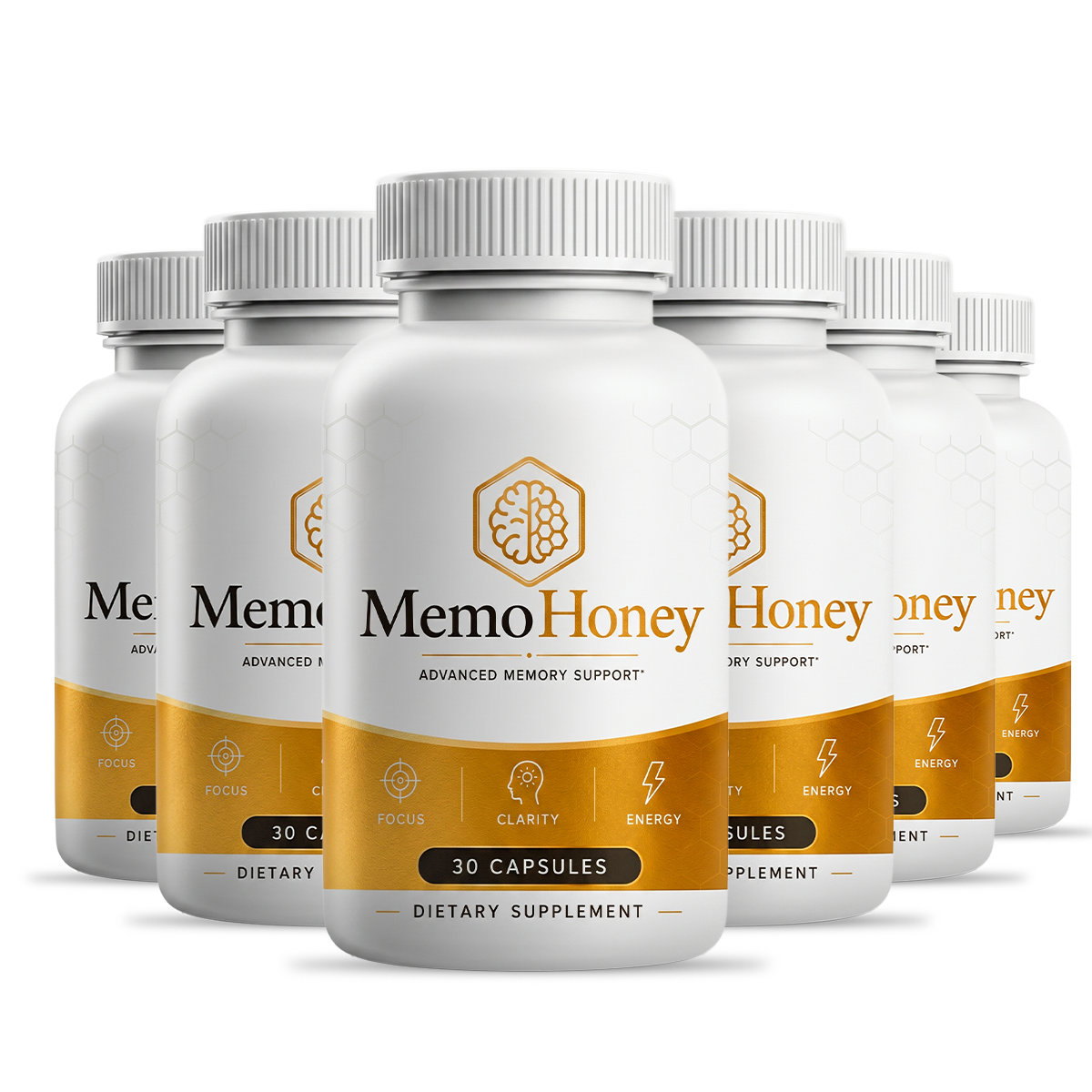
MemoHoney and This Topic
Transparency matters to us, which is why our reviews page openly notes that per-ingredient doses are not published on the label, only the total blend. You can factor that into your decision alongside everything else in this guide.
If you decide to try it, the current MemoHoney discount is shown in the pricing section of the MemoHoney official website, with 2, 3 and 6 bottle options and a 60-day refund window from the purchase date.
Key Takeaway
Proprietary blends rewards a careful, curious approach. Ask good questions, check your sources and remember that your doctor or pharmacist is an ally in every decision.
Check MemoHoney Official Pricing