Common Myths About Supplement Storage and Expiry Dates
Some beliefs about supplement storage and expiry dates are half right, some are outdated and a few are simply wrong. Here we separate them clearly.
How you store supplements affects how long they stay potent. Heat, humidity and light can all degrade ingredients, sometimes well before the date printed on the label. Supplements are regulated differently from medicines, which puts more of the responsibility for careful choices on the buyer.
Where the Confusion Comes From
Buyer myths spread because the rules around supplements are genuinely confusing, and sellers have little incentive to clarify them. Paying for a quality product makes little sense if it spends months beside a steamy shower.
Myth 1: The fridge is always the best place for supplements
Fact: Fridges can be humid; follow the label's storage instructions. Bathrooms and kitchens near the stove are among the worst places to store supplements.
Myth 2: Supplements last forever if unopened
Fact: Ingredients degrade over time, which is why expiry dates exist. The small desiccant packet in many bottles absorbs moisture and should stay in the bottle.
Myth 3: More badges mean a better product
Fact: Badges vary from meaningful certifications to decorative images with no independent verification.
Myth 4: A money-back guarantee removes all risk
Fact: Guarantees have windows and conditions that decide whether they can actually be used.
The Facts Worth Remembering
- Keeping the lid tightly closed limits exposure to humidity.
- Some products need refrigeration; the label will say so.
- Expired supplements are more likely to have lost potency than to become toxic.
- Supplements should be stored out of reach of children.
The Regulations Behind the Facts
Manufacturers set expiry or best-by dates based on stability testing. Vitamins such as C and some B vitamins are known to degrade faster in warm, humid conditions, and probiotics and oils are particularly sensitive. Where studies disagree, the most cautious interpretation is usually the safest one to act on.
Moisture is the most common enemy. Capsules exposed to humidity can soften, stick together or grow mould, and some vitamins break down faster. Discard any product that smells unusual, changes colour or has clumped.
For a second opinion from a public source, see the FDA dietary supplements hub.
Practical Alternatives
If you want to act on this, begin with the following:
- Store bottles in a cool, dry cupboard away from sunlight.
- Write the opening date on the bottle.
- Do not transfer capsules into pill boxes for long periods.
- Dispose of expired products through a take-back scheme where available.
A simple example helps. Someone keeps their supplements on a bathroom shelf beside the shower for convenience. Moving them to a bedroom drawer is a small change that helps preserve potency.
More Useful Context
It is worth reading the contact details on any seller's site. A real address, phone number and responsive email are basic signs of a business that expects to be held accountable.
Save your order confirmation email and note the order date in your calendar. If you decide to request a refund, having the date and order number ready makes the process quicker and avoids missed deadlines.
Read the full refund policy, not just the headline promise. Look for who pays return shipping, whether opened bottles are accepted and whether the window runs from the order date or the delivery date.
Search for the product name together with words like warning, recall or complaint before you buy. The FDA's recall and tainted products databases are free to search and updated regularly.
Where MemoHoney Fits
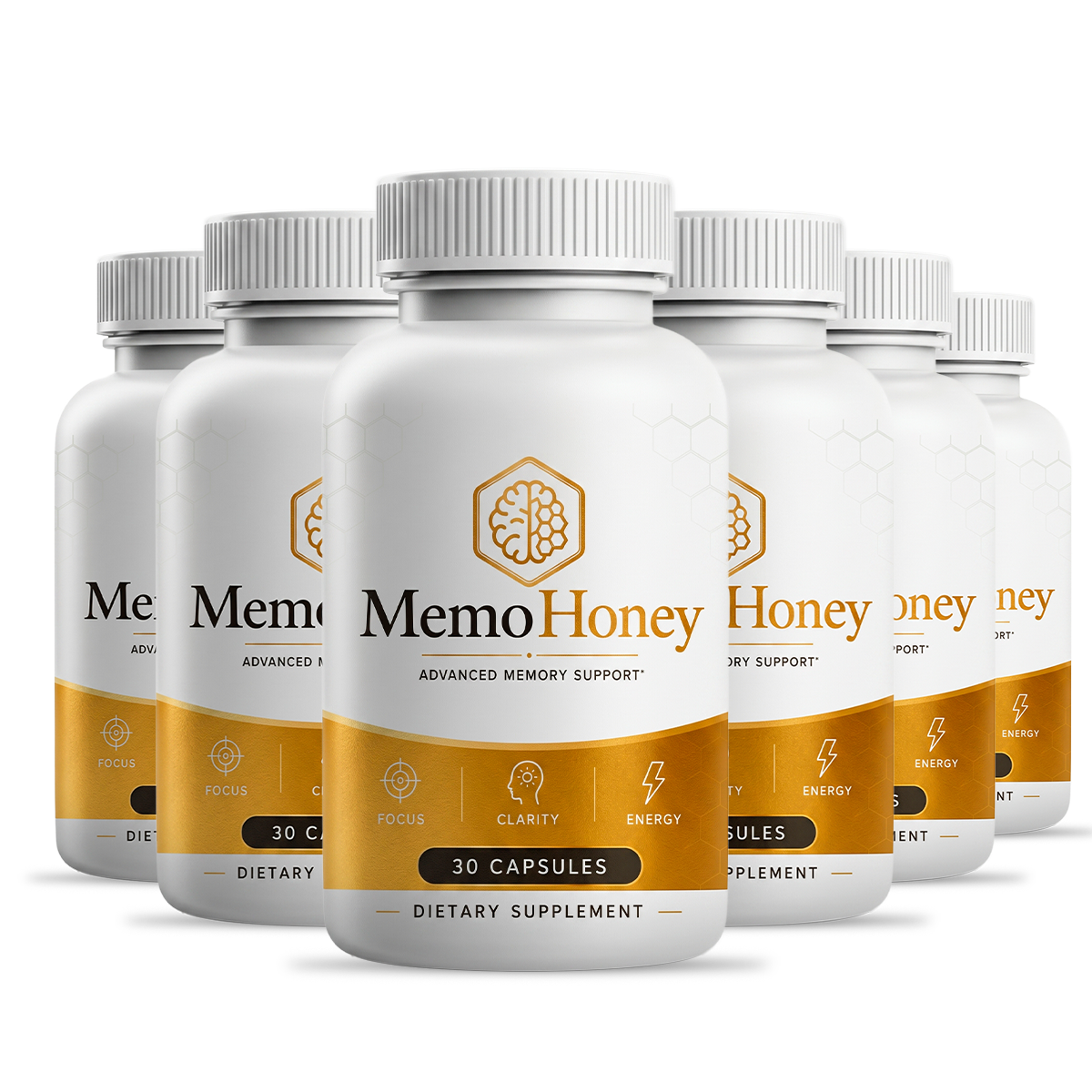
We encourage readers to apply these checks to every purchase, including ours. The MemoHoney reviews page lists the genuine pros and cons, and the refund policy explains exactly how the 60-day window works.
Pricing, shipping and the guarantee are all set out on the MemoHoney official website. Read them calmly, check the label with your pharmacist if you take medication, and decide in your own time.
The Bottom Line
There is no shortcut around the basics, but understanding supplement storage and expiry dates helps you make better use of them. Keep this guide handy and revisit it when new claims come your way.
Check MemoHoney Official Pricing