What Research Says About Phosphatidylserine
When people ask whether phosphatidylserine really matters, they deserve an answer grounded in studies rather than slogans. Here is a balanced look at what is known so far.
Phosphatidylserine, often shortened to PS, is a phospholipid: a fat-based molecule that forms part of every cell membrane and is especially concentrated in the brain. Supplements were originally made from cow brain but are now usually derived from soy or sunflower lecithin.
Because it sits in the membranes of nerve cells, it is one of the few memory ingredients with a direct structural link to brain tissue. Memory formulas often combine several ingredients, which makes it tempting to judge them as a whole. Looking at each component separately, starting with phosphatidylserine, gives a clearer picture.
Summary of the Findings
Early trials using bovine-derived PS reported improvements in memory in older adults with age-related decline. Research on today's plant-derived forms is smaller and less consistent, and the FDA allows only a qualified health claim that describes the evidence as very limited. The rest of this article explains what sits behind that summary.
Where the Evidence Comes From
Researchers usually test a single, standardised form of an ingredient at a set dose. That detail matters, because a product containing a different form or a much smaller amount cannot borrow those results automatically.
Phosphatidylserine is usually found on the inner surface of cell membranes, and its movement to the outer surface acts as a signal in processes such as cell clearance. That biology is well established; whether swallowing it meaningfully changes brain membranes in healthy adults is far less certain.
Association is not causation. When people who do something also have better memory, other factors such as income, education or general health may explain the link.
What the Studies Point To
- In 2003 the FDA permitted a qualified health claim for PS and cognitive dysfunction in the elderly while stating that the supporting evidence is limited and preliminary.
- Most trials used 100 mg taken three times a day, for a total of 300 mg.
- PS helps anchor signalling proteins in the inner layer of nerve cell membranes.
- Soy-derived PS may be unsuitable for people with a soy allergy, although sunflower-derived versions exist.
What the Evidence Does Not Prove
Research tells us about groups, not individuals. Your own response may be larger, smaller or absent, which is why personal tracking is useful. A related misconception is worth naming: Plant PS has exactly the same evidence as the original bovine studies. In fact, most of the stronger early data came from bovine PS, and plant-derived forms have been studied far less.
Readers also meet this idea: The FDA has approved PS for memory. In fact, the FDA only allows a qualified health claim that explicitly says the evidence is very limited.
Spotting Overstated Claims
A trustworthy source explains limitations as well as benefits. If everything sounds perfect, something is probably being left out.
Turning Evidence Into Action
These practical steps are a sensible place to start:
- Check the source, soy or sunflower, if you have allergies.
- Compare the stated amount per serving with the 100 to 300 mg range used in studies.
- Take it with a meal, which is how most trials gave it.
- Treat it as one part of a routine that also includes sleep, movement and diet.
A real-world example makes this clearer. An older reader who is allergic to soy might see phosphatidylserine on a label and assume it is safe. Checking whether the source is soy or sunflower takes seconds and avoids an avoidable reaction.
A Note on MemoHoney
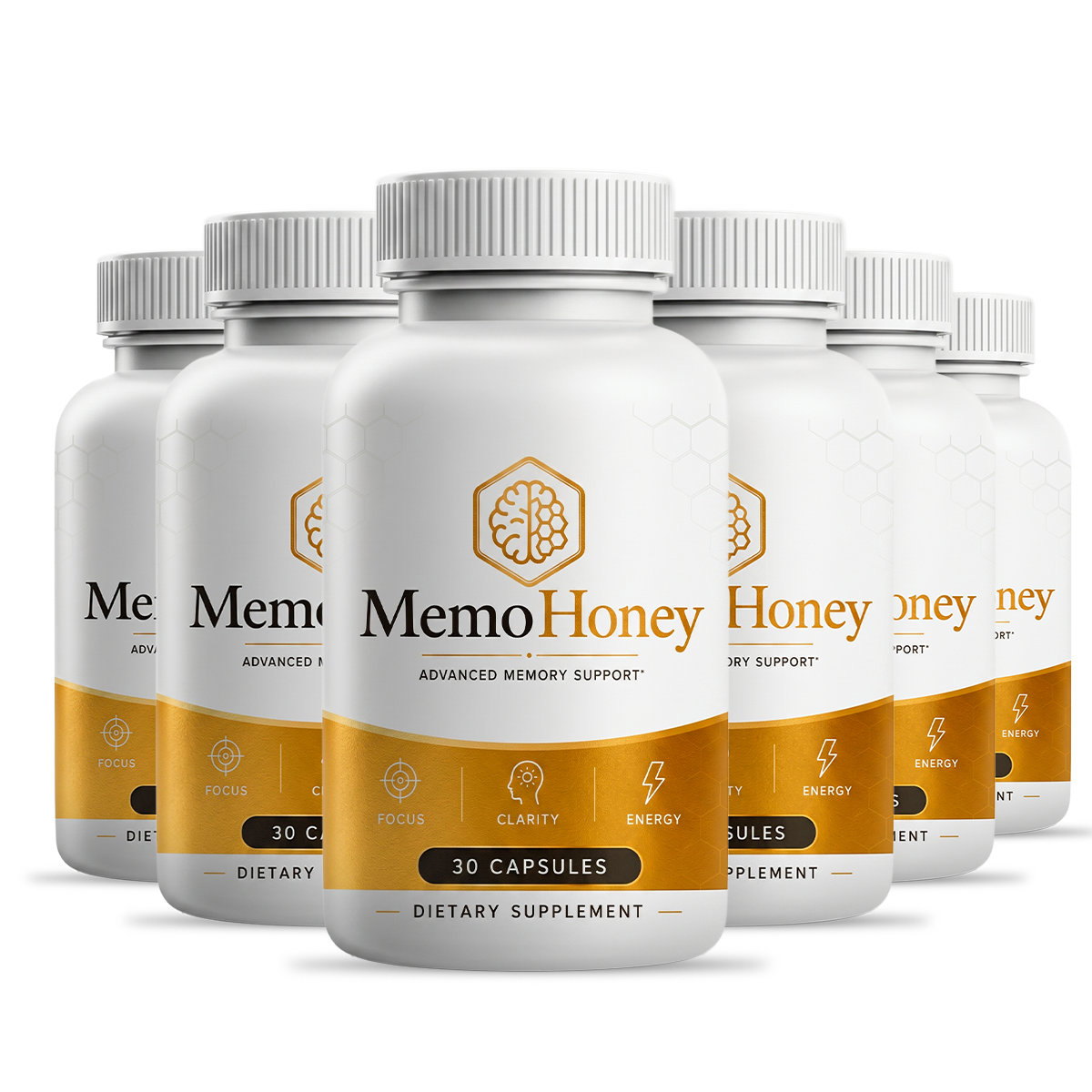
We publish this kind of ingredient background so readers can judge any memory formula on its merits, including ours. The full list is on the MemoHoney ingredients page, and the how MemoHoney works page explains the thinking behind it.
You will find the latest MemoHoney offers on the MemoHoney official website. As with any supplement, speak to a healthcare professional first if you have a medical condition or take prescription medicine.
Summing Up
When it comes to phosphatidylserine, the most reliable path is also the least exciting: accurate information, realistic expectations and steady habits. That combination rarely disappoints.
Check MemoHoney Official Pricing