Common Myths About L-Arginine
Some beliefs about L-arginine are half right, some are outdated and a few are simply wrong. Here we separate them clearly.
L-arginine is an amino acid the body uses to make nitric oxide, a molecule that helps blood vessels relax and widen. It is found in meat, fish, dairy, nuts and legumes, and the body can also produce it. Knowing the typical research dose and safety profile of an ingredient turns a label from marketing into information you can actually use.
Why Misconceptions Persist
Traditional use is another source of confusion. A long history of use tells us people valued an ingredient, not that it works for every modern claim attached to it. The idea behind it on brain labels is circulation: more nitric oxide, wider vessels, and in theory better blood flow to the brain.
Myth 1: Arginine reliably boosts brain blood flow and memory
Fact: Oral arginine is largely broken down before reaching circulation, and cognitive evidence in healthy adults is thin. Studies on blood flow have often used several grams per day, far more than fits in a small capsule.
Myth 2: Amino acids are harmless because they are in food
Fact: Supplemental doses can lower blood pressure, and one post-heart-attack trial was stopped for safety. Much of an oral arginine dose is broken down by the enzyme arginase before it reaches circulation.
Myth 3: Natural ingredients are always safe
Fact: Many plant and nutrient ingredients have real side effects and drug interactions, so natural is not the same as risk-free.
Myth 4: If an ingredient is on the label, it must be at an effective dose
Fact: Labels are not required to match research doses, and blends can hide very small amounts.
What Is Actually True
- The VINTAGE MI trial was stopped early after six deaths in the arginine group and none in the placebo group among heart-attack survivors.
- Arginine may trigger cold-sore outbreaks in people prone to herpes simplex, according to some reports.
- Common supplement forms include L-arginine base, L-arginine HCl and arginine alpha-ketoglutarate, known as AKG.
- Nuts, seeds, turkey and soy foods are rich dietary sources.
The Research Behind the Facts
Arginine supplements are widely marketed for circulation, but oral arginine is heavily broken down in the gut and liver before it reaches the bloodstream. Evidence for cognitive benefits in healthy adults is very limited. Even where evidence is encouraging, it rarely supports dramatic promises. Modest, gradual effects are the norm in brain health research.
Arginine is described as conditionally essential: healthy adults usually make enough, but needs can rise during illness or injury. Researchers have also noted an arginine paradox, where extra arginine sometimes raises nitric oxide even though the enzyme that uses it should already be saturated.
For independent background, the NIH Office of Dietary Supplements is a reliable, non-commercial place to start.
Better Habits to Follow
Try building these habits into your routine:
- Compare the milligrams on a label with the gram-level doses used in studies.
- Talk to a doctor before using arginine if you have heart disease.
- Do not combine it with nitrate or erectile dysfunction medication without advice.
- Check whether the label lists a salt form, which contains less free arginine per milligram.
To put this in context, a reader might see 200 mg of arginine on a label and a study using 6 grams. That is a thirtyfold difference, which is why comparing label amounts with research doses matters so much.
How This Relates to MemoHoney
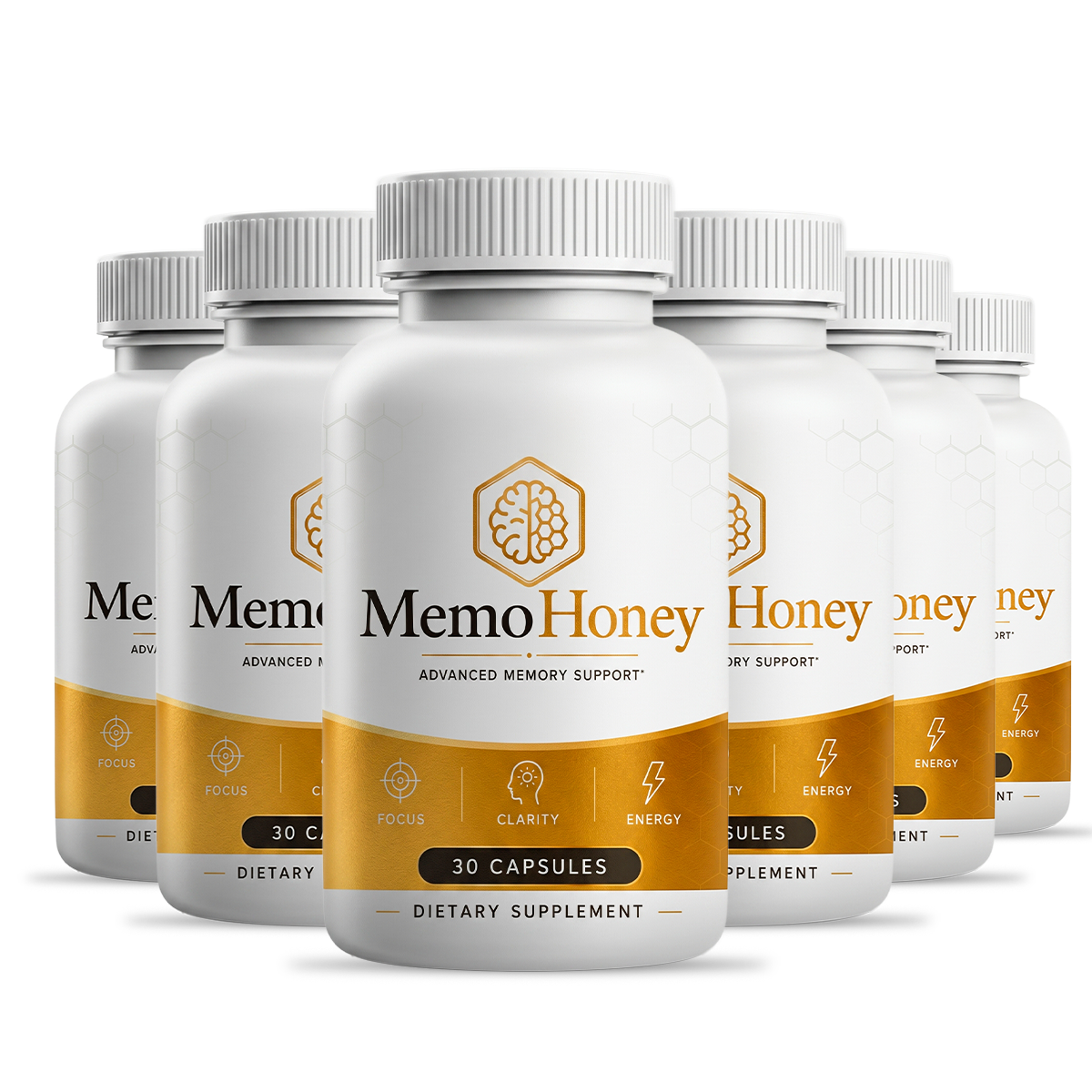
MemoHoney is a once-daily capsule formulated to support memory, focus and mental clarity. Rather than taking any ingredient claim on trust, including claims about L-arginine, check our ingredients sheet and the label itself.
You will find the latest MemoHoney offers on the MemoHoney official website. As with any supplement, speak to a healthcare professional first if you have a medical condition or take prescription medicine.
Summing Up
Treat everything you read about L-arginine, including this article, as a starting point. Combine it with professional advice and your own honest observations.
Check MemoHoney Official Pricing