Folate (Vitamin B9) Explained Clearly
Much of what is written online about folate (vitamin B9) is either too technical or too promotional. This guide aims for the middle ground: accurate, readable and genuinely useful.
Getting Clear on Folate (Vitamin B9)
Folate, also called vitamin B9, is needed to make DNA and to process homocysteine, an amino acid linked with blood vessel health. Folic acid is the synthetic form used in supplements and fortified foods.
Most adults need 400 micrograms of dietary folate equivalents per day. The upper limit for folic acid from supplements and fortified foods is 1,000 micrograms per day for adults.
Where It Fits in Brain Health
The homocysteine connection is the main reason B9 appears in brain-health formulas alongside B6 and B12. An ingredient list tells you what is in a product; it does not tell you whether the amounts match anything that has been studied. Understanding folate (vitamin B9) individually closes part of that gap.
What Studies Have Found
Low folate and high homocysteine have been associated with poorer cognitive performance in observational studies. Trials of B-vitamin supplements that lowered homocysteine have produced mixed results, with benefit seen mainly in people who started with high homocysteine. Much early work on botanicals and nutrients happens in cells or animals. Those findings can suggest mechanisms, but only human trials can show whether an ingredient changes how people actually think or remember.
Since 1998 the US has required folic acid fortification of enriched grain products, mainly to prevent neural tube defects in pregnancy. This has made outright folate deficiency less common, which partly explains why supplement trials in the general population often find little extra benefit.
No single study settles a question. Results need to be repeated in different groups of people, and small studies are more likely to produce chance findings. Look for reviews that pool many trials rather than one headline result.
PubMed is a useful source for checking claims independently.
Quick Facts
- Leafy greens, beans, lentils, asparagus and fortified grains are rich food sources.
- The VITACOG trial reported that B vitamins slowed brain shrinkage in older adults with mild cognitive impairment and high homocysteine.
- Folate works closely with vitamins B12 and B6 in the homocysteine cycle.
- Methylfolate is a form some supplements use instead of folic acid.
Where People Go Wrong
Finally, many buyers forget to mention supplements to their doctor or pharmacist, which is where most avoidable interactions begin.
One misconception comes up often: Folic acid on its own protects memory. In reality, benefits in trials were seen mainly with combined B vitamins in people with high homocysteine.
Another idea worth correcting: You cannot get enough folate from food. The evidence points elsewhere: a varied diet with greens, legumes and fortified grains covers most adults' needs.
What You Can Do
If you want to act on this, begin with the following:
- Eat a serving of leafy greens or legumes most days.
- Do not exceed 1,000 mcg of folic acid a day from supplements without medical advice.
- If you take folic acid, make sure your B12 status is also known.
- Ask about homocysteine testing if memory concerns run in your family.
A simple example helps. Someone taking a high-dose folic acid supplement for years without checking B12 could mask a developing deficiency. A simple blood test covering both vitamins avoids that trap.
Compare like with like. A stressful week will feel worse regardless of anything else you do, so note major events alongside your ratings.
Where MemoHoney Fits
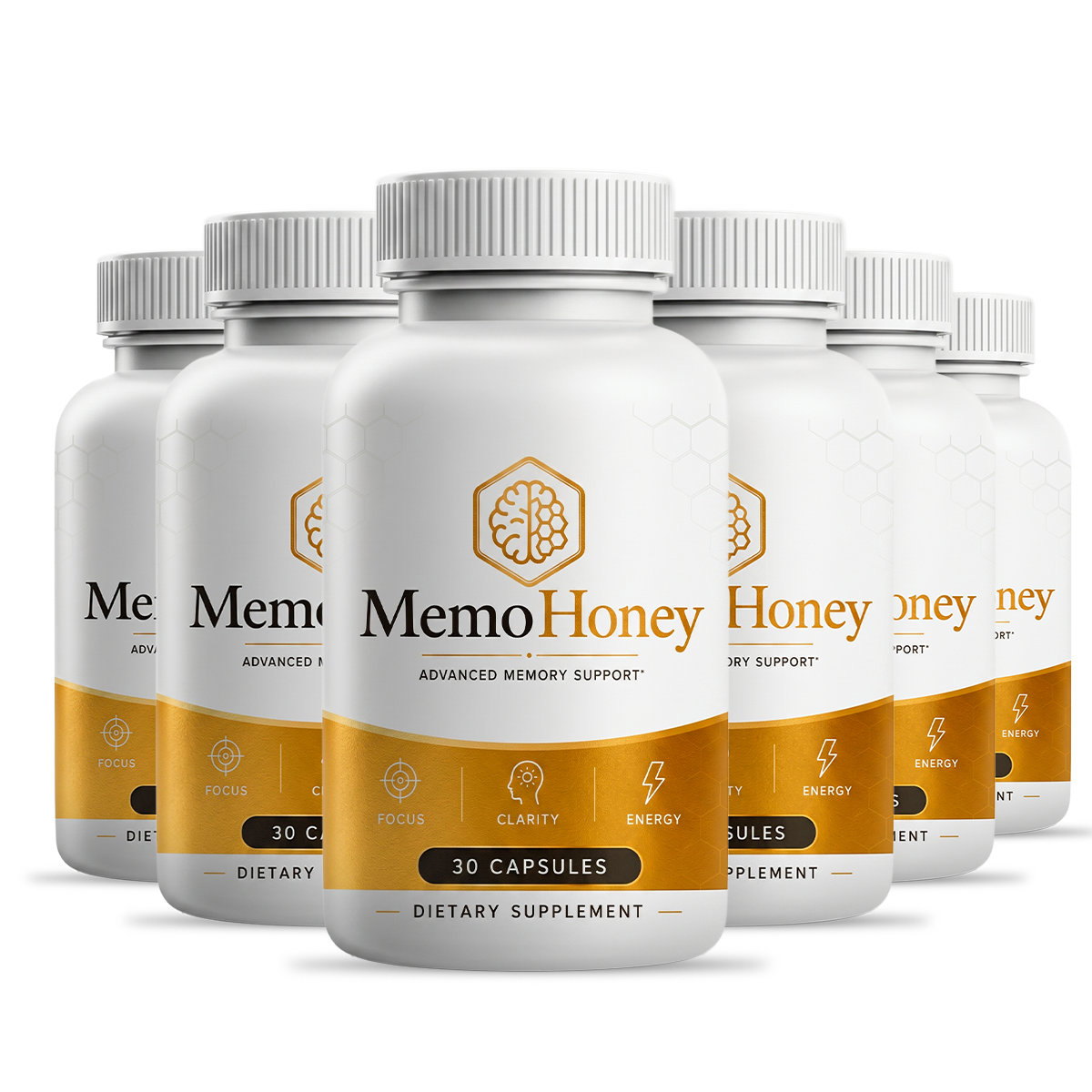
Whether folate (vitamin B9) appears in a particular product is a label question, not a marketing one. Our MemoHoney ingredients page lists what goes into each capsule, and the Supplement Facts panel on your bottle is always the final word.
Pricing, shipping and the guarantee are all set out on the MemoHoney official website. Read them calmly, check the label with your pharmacist if you take medication, and decide in your own time.
Key Takeaway
Folate (vitamin B9) rewards a careful, curious approach. Ask good questions, check your sources and remember that your doctor or pharmacist is an ally in every decision.
Check MemoHoney Official Pricing