Common Questions About Phosphatidylserine
If you only have a few minutes, this is the article to read on phosphatidylserine. The questions below are the ones that come up again and again.
Where should a beginner start with phosphatidylserine?
Phosphatidylserine, often shortened to PS, is a phospholipid: a fat-based molecule that forms part of every cell membrane and is especially concentrated in the brain. Supplements were originally made from cow brain but are now usually derived from soy or sunflower lecithin. Because it sits in the membranes of nerve cells, it is one of the few memory ingredients with a direct structural link to brain tissue.
Why is this worth understanding?
An ingredient list tells you what is in a product; it does not tell you whether the amounts match anything that has been studied. Understanding phosphatidylserine individually closes part of that gap. Bovine PS fell out of use partly because of concerns about prion diseases.
What does the research say?
Early trials using bovine-derived PS reported improvements in memory in older adults with age-related decline. Research on today's plant-derived forms is smaller and less consistent, and the FDA allows only a qualified health claim that describes the evidence as very limited. In 2003 the FDA permitted a qualified health claim for PS and cognitive dysfunction in the elderly while stating that the supporting evidence is limited and preliminary.
Phosphatidylserine is usually found on the inner surface of cell membranes, and its movement to the outer surface acts as a signal in processes such as cell clearance. That biology is well established; whether swallowing it meaningfully changes brain membranes in healthy adults is far less certain.
What are the key facts to remember?
- Most trials used 100 mg taken three times a day, for a total of 300 mg.
- PS helps anchor signalling proteins in the inner layer of nerve cell membranes.
- Soy-derived PS may be unsuitable for people with a soy allergy, although sunflower-derived versions exist.
- The body makes its own PS, and small amounts come from foods such as fish, organ meats and white beans.
Are there safety concerns?
Phosphatidylserine is generally well tolerated, although insomnia and stomach upset have been reported at higher doses. It may interact with anticoagulants and with cholinergic or anticholinergic drugs, so check with a pharmacist. Anyone taking prescription medicine should check before adding a new supplement or making a major lifestyle change.
How do you put this into practice?
- Check the source, soy or sunflower, if you have allergies.
- Compare the stated amount per serving with the 100 to 300 mg range used in studies.
- Take it with a meal, which is how most trials gave it.
- Treat it as one part of a routine that also includes sleep, movement and diet.
Is there a practical example?
An older reader who is allergic to soy might see phosphatidylserine on a label and assume it is safe. Checking whether the source is soy or sunflower takes seconds and avoids an avoidable reaction.
What is a common misconception?
Many people believe that the FDA has approved PS for memory. The FDA only allows a qualified health claim that explicitly says the evidence is very limited.
A second belief is that plant PS has exactly the same evidence as the original bovine studies. In reality, most of the stronger early data came from bovine PS, and plant-derived forms have been studied far less. Another frequent error: the most common mistake is judging an ingredient by its name alone. The form, the dose and the length of use all matter, and a label that hides them makes fair comparison difficult.
How do you judge results fairly?
Be honest in your notes, including the days you skipped a habit. Accurate records are far more useful than flattering ones.
Is MemoHoney relevant here?
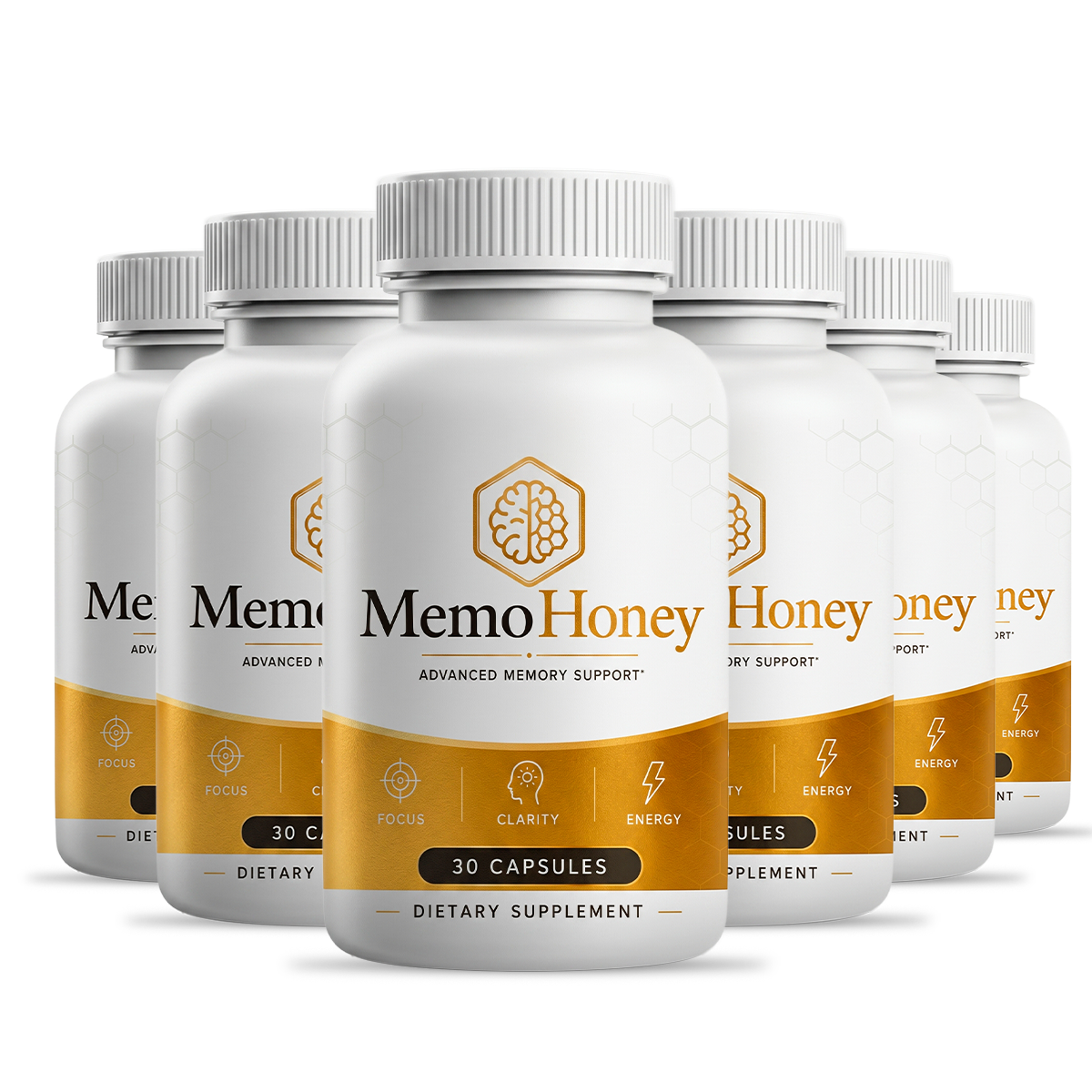
Our MemoHoney reviews page is candid about one limitation: the label lists the ingredients but not a separate milligram figure for each. That makes articles like this one useful, because they show which questions to ask about phosphatidylserine and every other ingredient.
If you decide to try it, the current MemoHoney discount is shown in the pricing section of the MemoHoney official website, with 2, 3 and 6 bottle options and a 60-day refund window from the purchase date.
What is the key takeaway?
Phosphatidylserine is worth understanding because it shapes decisions you make every day. Focus on the facts that are well supported, stay sceptical of dramatic promises and involve a professional whenever health or medication is part of the picture.
Check MemoHoney Official Pricing