Ginkgo Biloba: Practical Tips Before You Try It
Practical advice is only useful if it is safe and realistic. This guide to Ginkgo biloba aims to be both.
Getting Clear on Ginkgo Biloba
Ginkgo biloba extract comes from the leaves of one of the oldest living tree species on Earth. Most research uses a standardised leaf extract containing about 24 percent flavone glycosides and 6 percent terpene lactones. Standardised extracts are usually tested at 120 to 240 mg per day, split into two doses.
Researchers have proposed several mechanisms for ginkgo, including effects on blood viscosity, antioxidant activity and protection of nerve cells, but none has translated into reliable prevention in large human trials. Interest has shifted toward whether it helps specific groups, such as people with existing mild impairment.
It is traditionally linked with circulation to the brain, which is why it has been a fixture of memory products for decades. An ingredient list tells you what is in a product; it does not tell you whether the amounts match anything that has been studied. Understanding Ginkgo biloba individually closes part of that gap.
A Simple Checklist
Try building these habits into your routine:
- Look for a standardised leaf extract rather than whole leaf powder.
- Stop ginkgo about two weeks before planned surgery or dental work unless your doctor advises otherwise.
- Tell your pharmacist if you take blood thinners, aspirin or antiplatelet drugs.
- Judge any change over weeks, not days.
To put this in context, consider someone who takes a daily aspirin for heart health and adds ginkgo because a friend recommended it. That combination is exactly the kind a pharmacist would want to know about before surgery or dental work.
Why these particular steps? Two details explain it. Ginkgo is associated with blood flow because it appears to affect blood vessel tone and platelet activity. The Ginkgo Evaluation of Memory study followed participants for a median of about six years and found no reduction in dementia rates.
What the Evidence Supports
Large trials in healthy older adults, including the Ginkgo Evaluation of Memory study of more than 3,000 people, did not find that ginkgo prevented cognitive decline or dementia. Some smaller trials in people with existing cognitive impairment reported modest benefits, so the overall picture is mixed.
Pitfalls to Watch For
Finally, many buyers forget to mention supplements to their doctor or pharmacist, which is where most avoidable interactions begin. The most common mistake is judging an ingredient by its name alone. The form, the dose and the length of use all matter, and a label that hides them makes fair comparison difficult.
Two misconceptions also trip people up. The first is that Ginkgo is proven to prevent dementia. In reality, the largest prevention trial found no effect on dementia rates in older adults followed for about six years. The second is that because it comes from a tree leaf, ginkgo cannot interact with medicines. Actually, Ginkgo can increase bleeding risk, particularly when combined with anticoagulants or antiplatelet medication.
Who Should Be Careful
Tracking Your Progress
Be honest in your notes, including the days you skipped a habit. Accurate records are far more useful than flattering ones.
Facts to Keep in Mind
- Raw ginkgo seeds contain a toxin called ginkgotoxin and should never be eaten as a substitute for a leaf extract.
- Quality leaf extracts are processed to remove most ginkgolic acids, which can trigger allergic reactions.
- The US National Center for Complementary and Integrative Health notes that leaf extract appears safe for most adults at typical doses for short periods.
For independent background, PubMed is a reliable, non-commercial place to start.
Where MemoHoney Fits
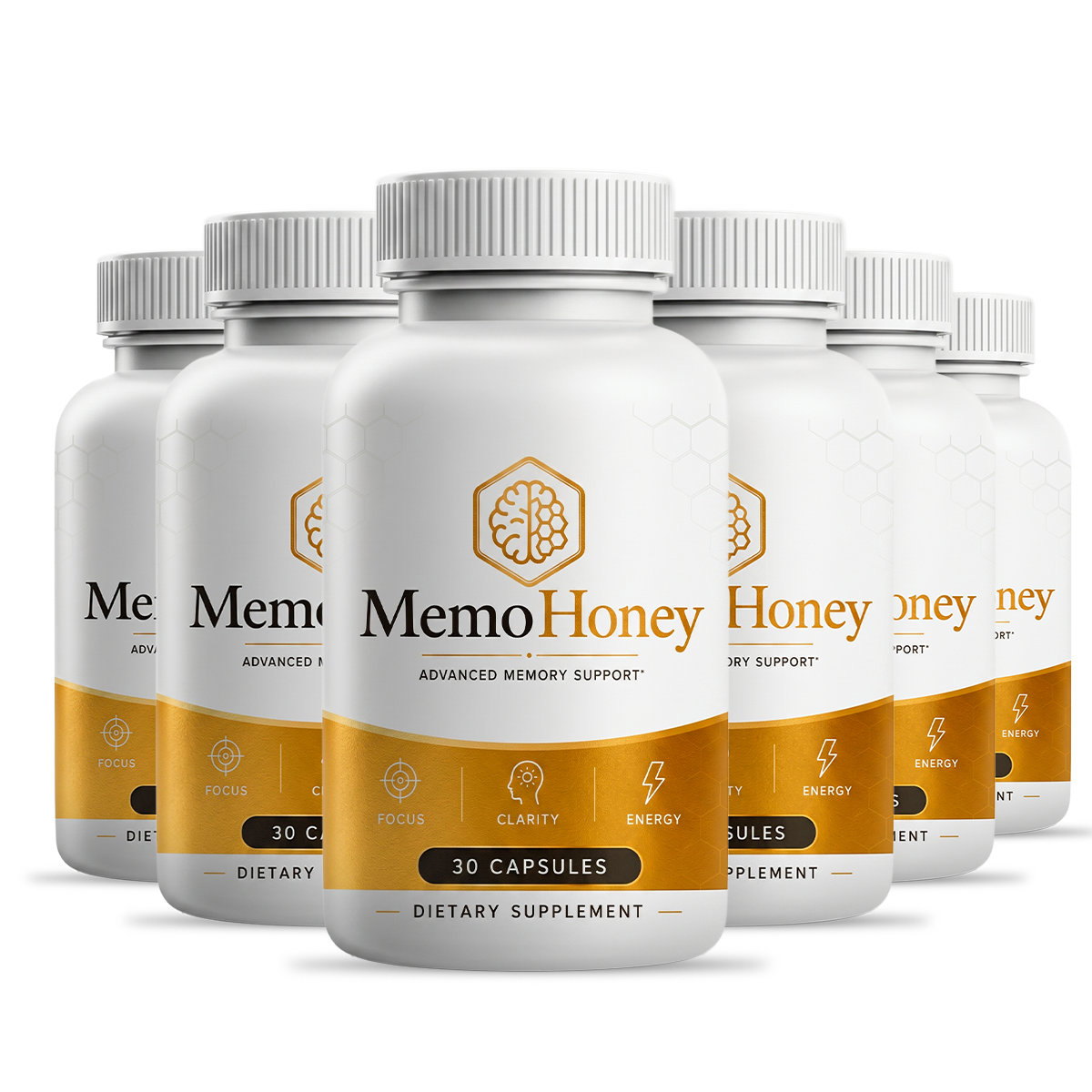
Our MemoHoney reviews page is candid about one limitation: the label lists the ingredients but not a separate milligram figure for each. That makes articles like this one useful, because they show which questions to ask about Ginkgo biloba and every other ingredient.
Current bundles and the MemoHoney sale pricing are listed on the MemoHoney official website. Each bottle holds 30 capsules, which is one month at the labelled serving.
Summing Up
The key takeaway on Ginkgo biloba is balance. Use the solid evidence, respect the limits of what is known and build any change into a routine you can sustain.
Check MemoHoney Official Pricing