Ginger Root FAQ: Straight Answers
Below are straightforward answers to frequently asked questions about ginger root, with safety points included where they matter.
Where should a beginner start with ginger root?
Ginger, Zingiber officinale, is a flowering plant whose root is used both as a spice and as a traditional remedy. Its main active compounds, gingerols and shogaols, give it its warm, pungent flavour. In capsule formulas it is usually a supporting player, included for digestive comfort rather than as a headline memory ingredient.
Why is this worth understanding?
Most people meet ginger root on a supplement label rather than in a textbook. A little background makes that label far easier to interpret. It is one of the most widely consumed spices in the world.
Is there good evidence behind this?
Ginger has good evidence for easing some kinds of nausea, including pregnancy-related nausea. Cognitive research is limited to a few small trials, such as one in middle-aged women that reported better attention and memory, so it is best viewed as a supporting ingredient. Ginger is often included in capsule formulas to help with digestive comfort.
Ginger's compounds affect digestion by influencing stomach emptying and the gut's serotonin receptors, which is one explanation for its anti-nausea effect. In a multi-ingredient capsule it often plays a comfort role, helping the other ingredients sit more easily.
Which details matter most?
- Studies on nausea have typically used 1 to 1.5 grams of ginger per day in divided doses.
- Gingerols convert to shogaols when ginger is dried or heated.
- Ginger shows anti-inflammatory and antioxidant properties in laboratory studies.
- Fresh, dried and extracted ginger differ considerably in strength.
Are there safety concerns?
Ginger is safe in food amounts, but concentrated supplements may cause heartburn or diarrhoea and may add to the effect of anticoagulants. People with gallstones should ask their doctor first. This article is general information; your own doctor knows your history and medications.
How do you put this into practice?
- Enjoy ginger in food as part of a varied diet.
- Take ginger supplements with meals if you are prone to heartburn.
- Check with your doctor if you take blood thinners.
- Do not expect ginger to act as a memory enhancer on its own.
What does this look like in real life?
Someone who gets mild nausea from taking supplements on an empty stomach may find that a product with ginger, or simply taking it with breakfast, makes the routine easier to maintain.
What do people often get wrong?
Many people believe that natural spices cannot have side effects. Large amounts can cause heartburn and gas and may affect bleeding.
A second belief is that ginger is a proven brain booster. In reality, cognitive studies are few and small; its strongest evidence is for nausea. Another frequent error: people also tend to give up too early on slow-acting ingredients, or to take more than directed in the hope of faster results.
How should you track progress?
The simplest way to judge progress is a one-minute note each day: how you slept, how focused you felt and anything unusual. After a month, patterns become visible that you would never notice day to day.
Is there anything else worth knowing?
Timing and consistency matter for many ingredients. Taking a supplement at the same time each day, usually with water and sometimes with food, makes it easier to judge any effect fairly.
Price rarely tells you much about quality on its own. Transparent labelling, sensible doses, clear sourcing and a straightforward refund policy are more meaningful signals.
Research on single ingredients does not automatically apply to combinations. Ingredients can support, cancel or simply add to one another, and few multi-ingredient formulas have been tested as complete products.
Where does MemoHoney fit in?
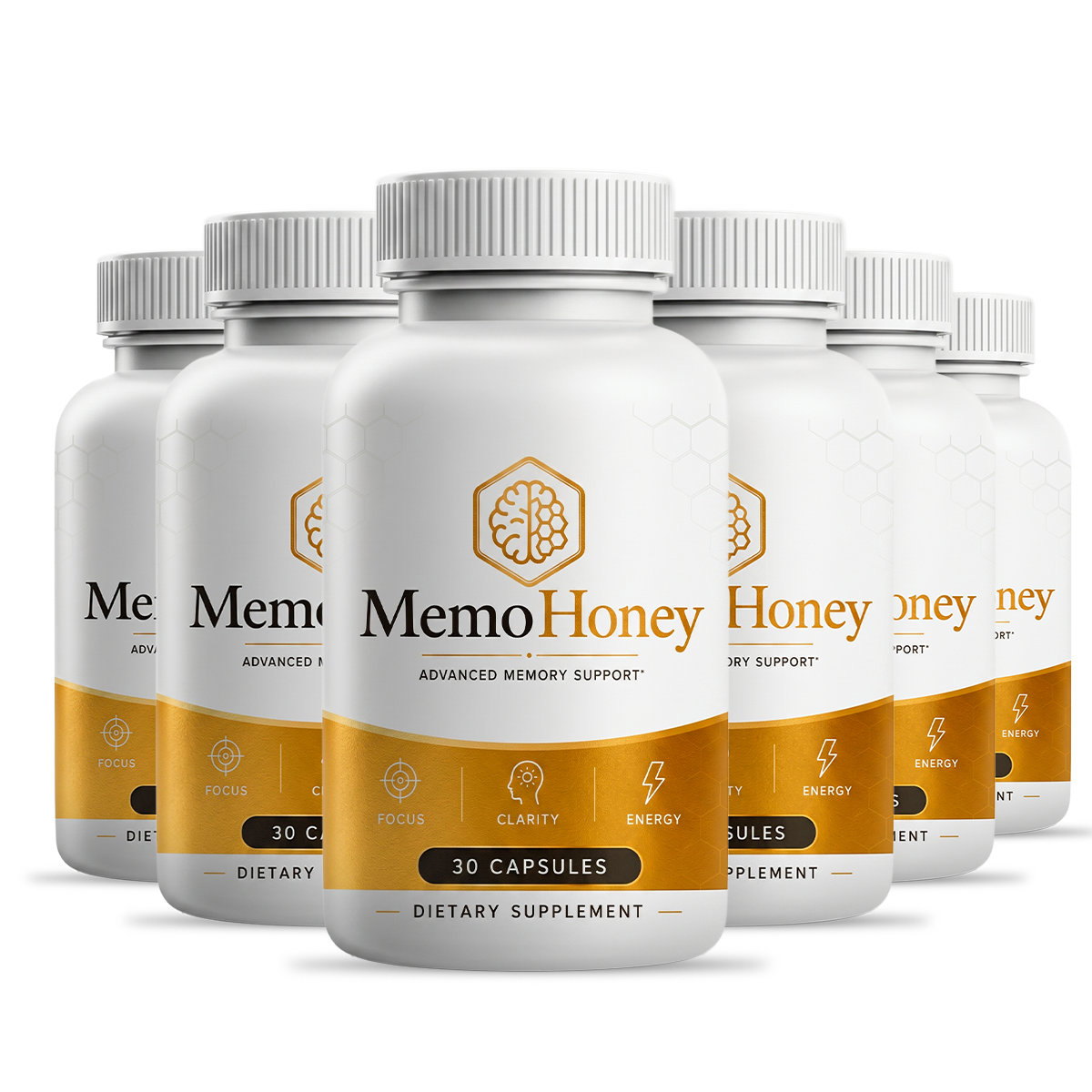
We publish this kind of ingredient background so readers can judge any memory formula on its merits, including ours. The full list is on the MemoHoney ingredients page, and the how MemoHoney works page explains the thinking behind it.
Pricing, shipping and the guarantee are all set out on the MemoHoney official website. Read them calmly, check the label with your pharmacist if you take medication, and decide in your own time.
So what should you do?
Treat everything you read about ginger root, including this article, as a starting point. Combine it with professional advice and your own honest observations.
Check MemoHoney Official Pricing