Zinc: Practical Tips Before You Try It
Below you will find a clear, step-by-step approach to zinc, along with the safety points worth knowing before you start.
Starting With the Basics
Zinc is a trace mineral involved in hundreds of enzymes, in immune function and in wound healing. In the brain, zinc is stored in certain nerve terminals, particularly in the hippocampus, and is released during signalling. Adult men need 11 mg a day and adult women 8 mg a day.
Zinc status is hard to measure accurately with a single blood test, because blood levels are tightly regulated and fall during illness. Doctors therefore look at diet, symptoms and risk factors as well as lab results.
Its presence in memory-related brain regions is why zinc turns up in cognitive formulas. Most people meet zinc on a supplement label rather than in a textbook. A little background makes that label far easier to interpret.
Step by Step
The most useful actions are also the simplest:
- Total up zinc from every supplement, including multivitamins and cold lozenges.
- Stay below 40 mg a day unless a doctor prescribes more.
- Take zinc with food if it upsets your stomach.
- Separate zinc from certain antibiotics by a few hours.
A real-world example makes this clearer. A person who takes zinc lozenges every day through winter, plus a multivitamin, could exceed the upper limit for weeks at a time. That is how copper deficiency can creep in unnoticed.
It helps to know why these steps matter. The upper limit is 40 mg a day from all sources combined. Oysters, red meat, poultry, beans, nuts and whole grains supply zinc.
Why the Research Backs This
Zinc deficiency can affect mood, taste, immunity and cognition, particularly in older adults. Trials of zinc supplements in well-nourished adults have not shown consistent memory benefits.
Common Mistakes to Avoid
Finally, many buyers forget to mention supplements to their doctor or pharmacist, which is where most avoidable interactions begin. Another frequent error is combining several products that contain the same or similar ingredients without adding up the totals.
Two misconceptions also trip people up. The first is that more zinc strengthens memory. In reality, extra zinc helps if you are deficient; above the upper limit it can cause copper deficiency. The second is that zinc nasal sprays are a safe way to top up. Actually, the FDA has warned about intranasal zinc products linked to loss of smell.
Important Safety Points
Tracking Your Progress
If you share your notes with a doctor or pharmacist, they can help interpret changes and spot anything that needs attention.
At a Glance
- Long-term high zinc intake can cause copper deficiency, which can itself damage nerves.
- Phytates in whole grains and legumes reduce zinc absorption, so vegetarians may need more.
- Zinc gluconate and zinc citrate are common, well-absorbed supplement forms.
For independent background, the National Center for Complementary and Integrative Health is a reliable, non-commercial place to start.
Beyond the Basics
Research on single ingredients does not automatically apply to combinations. Ingredients can support, cancel or simply add to one another, and few multi-ingredient formulas have been tested as complete products.
Timing can also influence how an ingredient is tolerated. Some compounds are gentler on the stomach when taken with food, while fat-soluble ingredients are generally absorbed better alongside a meal that contains some fat.
A Note on MemoHoney
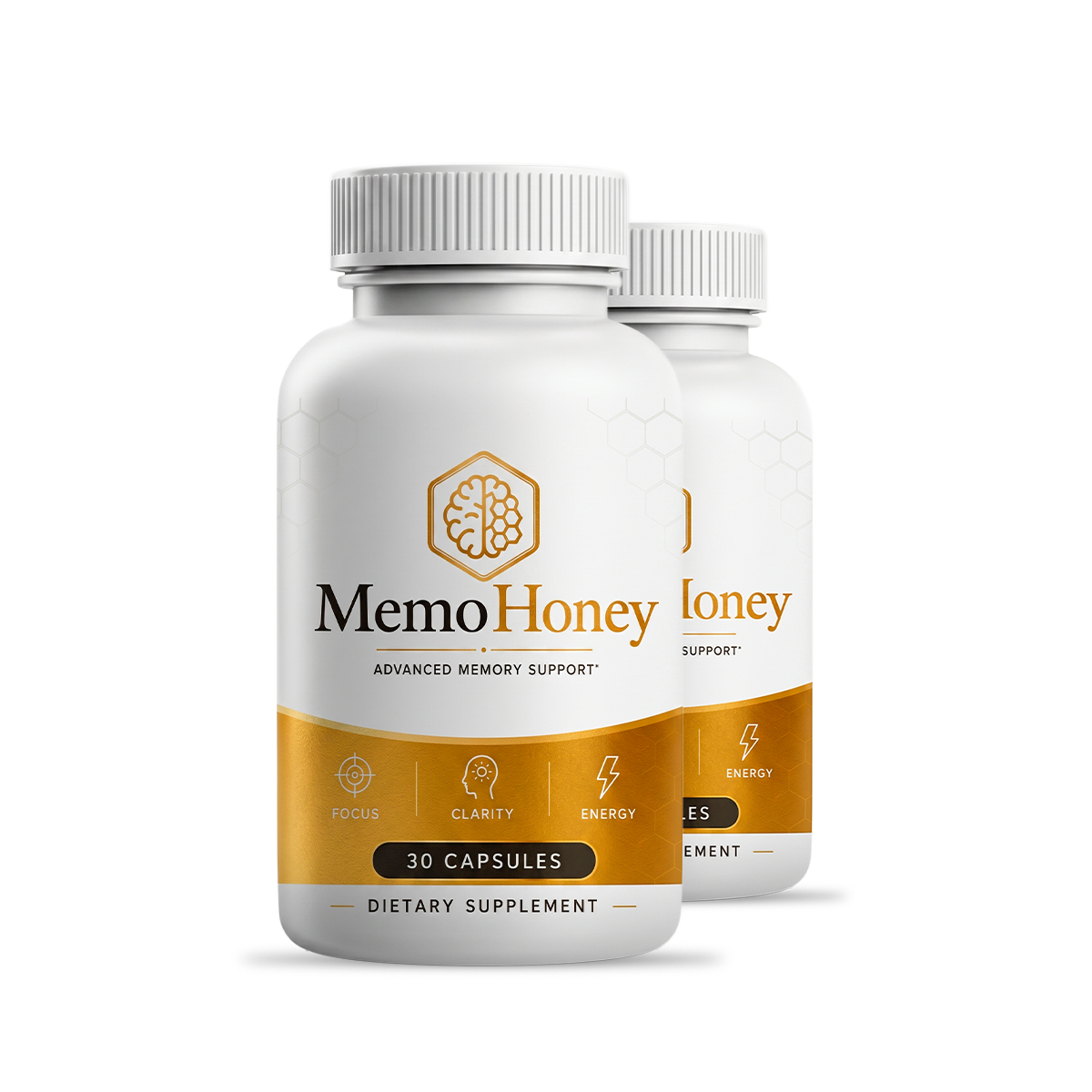
We publish this kind of ingredient background so readers can judge any memory formula on its merits, including ours. The full list is on the MemoHoney ingredients page, and the how MemoHoney works page explains the thinking behind it.
Pricing, shipping and the guarantee are all set out on the MemoHoney official website. Read them calmly, check the label with your pharmacist if you take medication, and decide in your own time.
Summing Up
Understanding zinc will not transform your memory overnight, but it will help you choose what is worth your time, money and attention. That is a genuine advantage.
Check MemoHoney Official Pricing