Phosphatidylserine: What Every Adult Should Know
If you have been reading about memory and focus, phosphatidylserine has probably come up more than once. This guide pulls the essentials into one place, in plain language, so you can understand the topic before making any decisions.
The Basics of Phosphatidylserine
Phosphatidylserine, often shortened to PS, is a phospholipid: a fat-based molecule that forms part of every cell membrane and is especially concentrated in the brain. Supplements were originally made from cow brain but are now usually derived from soy or sunflower lecithin.
In 2003 the FDA permitted a qualified health claim for PS and cognitive dysfunction in the elderly while stating that the supporting evidence is limited and preliminary. Most trials used 100 mg taken three times a day, for a total of 300 mg.
Why It Matters for Memory and Focus
Because it sits in the membranes of nerve cells, it is one of the few memory ingredients with a direct structural link to brain tissue. Knowing the typical research dose and safety profile of an ingredient turns a label from marketing into information you can actually use.
What Studies Have Found
Early trials using bovine-derived PS reported improvements in memory in older adults with age-related decline. Research on today's plant-derived forms is smaller and less consistent, and the FDA allows only a qualified health claim that describes the evidence as very limited. Supplement research ranges from test-tube experiments to large randomised trials. For an ingredient like phosphatidylserine, the most useful evidence comes from placebo-controlled human studies that report the exact dose, the form used and how long participants took it.
Phosphatidylserine is usually found on the inner surface of cell membranes, and its movement to the outer surface acts as a signal in processes such as cell clearance. That biology is well established; whether swallowing it meaningfully changes brain membranes in healthy adults is far less certain.
Averages can hide a lot of variation. A study may report a modest improvement overall while some participants changed a great deal and others not at all.
Quick Facts
- PS helps anchor signalling proteins in the inner layer of nerve cell membranes.
- Soy-derived PS may be unsuitable for people with a soy allergy, although sunflower-derived versions exist.
Where People Go Wrong
Another frequent error is combining several products that contain the same or similar ingredients without adding up the totals.
One misconception comes up often: Plant PS has exactly the same evidence as the original bovine studies. In reality, most of the stronger early data came from bovine PS, and plant-derived forms have been studied far less.
Another idea worth correcting: The FDA has approved PS for memory. The evidence points elsewhere: the FDA only allows a qualified health claim that explicitly says the evidence is very limited.
Simple Steps to Apply
The most useful actions are also the simplest:
- Check the source, soy or sunflower, if you have allergies.
- Compare the stated amount per serving with the 100 to 300 mg range used in studies.
- Take it with a meal, which is how most trials gave it.
- Treat it as one part of a routine that also includes sleep, movement and diet.
Here is how this plays out in everyday life. An older reader who is allergic to soy might see phosphatidylserine on a label and assume it is safe. Checking whether the source is soy or sunflower takes seconds and avoids an avoidable reaction.
Be honest in your notes, including the days you skipped a habit. Accurate records are far more useful than flattering ones.
How This Relates to MemoHoney
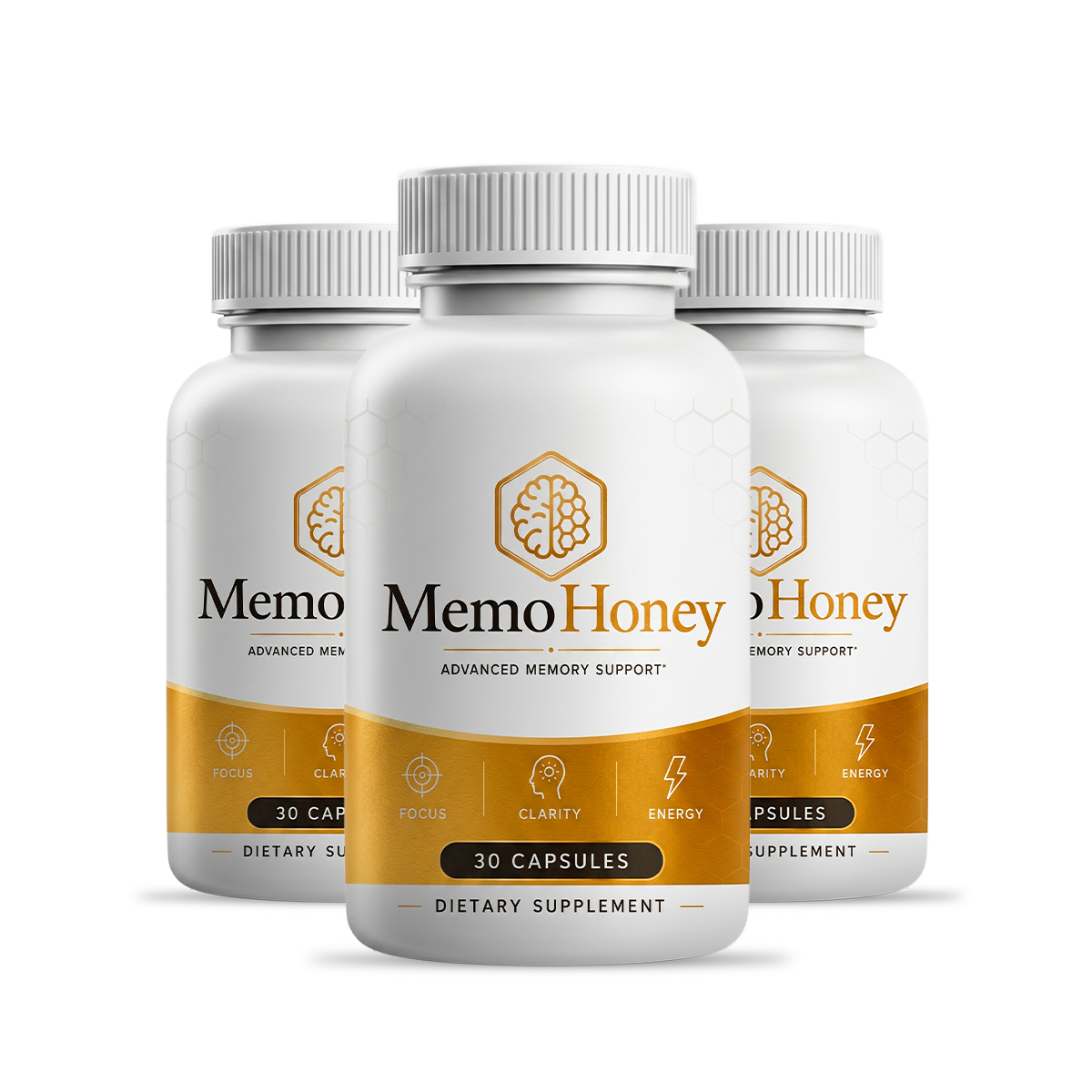
If you are considering MemoHoney, compare the ingredient list on our MemoHoney ingredients page with the panel on the bottle you receive. That simple check is good practice for any supplement, and it tells you whether phosphatidylserine is part of the formula.
If you decide to try it, the current MemoHoney discount is shown in the pricing section of the MemoHoney official website, with 2, 3 and 6 bottle options and a 60-day refund window from the purchase date.
The Bottom Line
There is no shortcut around the basics, but understanding phosphatidylserine helps you make better use of them. Keep this guide handy and revisit it when new claims come your way.
Check MemoHoney Official Pricing