What Research Says About Vitamin B6
Our editors reviewed the main research and official guidance behind vitamin B6. This summary explains the findings in plain English and flags where caution is warranted.
Vitamin B6 is a group of related compounds, including pyridoxine, that the body uses in more than 100 enzyme reactions. It helps make neurotransmitters such as serotonin, dopamine and GABA.
Its role in producing brain signalling chemicals is why it is so common in focus and mood formulas. Ingredients are only as useful as the evidence and the dose behind them. That is why it helps to look at vitamin B6 on its own before judging any formula that contains it.
Summary of the Findings
Observational research links low B6 status with poorer cognitive function in older adults. Randomised trials of B6 alone have not shown clear cognitive benefits in people who are not deficient. That is a more measured picture than advertising usually paints, but it is also a more useful one.
How the Evidence Is Gathered
Much early work on botanicals and nutrients happens in cells or animals. Those findings can suggest mechanisms, but only human trials can show whether an ingredient changes how people actually think or remember.
B6 is involved in making neurotransmitters from amino acids, including converting tryptophan to serotonin and glutamate to GABA. Deficiency is uncommon in people who eat a varied diet, but it is more likely with kidney disease, heavy alcohol use and certain medicines.
Averages can hide a lot of variation. A study may report a modest improvement overall while some participants changed a great deal and others not at all.
What the Studies Point To
- Adults aged 19 to 50 need about 1.3 mg a day, rising to 1.5 to 1.7 mg after 50.
- The US upper limit is 100 mg per day, and long-term high doses have been linked to nerve damage.
- Chickpeas, fish, poultry, potatoes and bananas are good food sources.
- Australia's medicines regulator has issued warnings about peripheral neuropathy linked to B6 in multi-ingredient products.
- B6 is one of the vitamins involved in keeping homocysteine in check.
- Symptoms of excess B6 include tingling and numbness in the hands and feet.
Important Limitations
Even where evidence is encouraging, it rarely supports dramatic promises. Modest, gradual effects are the norm in brain health research. A related misconception is worth naming: Water-soluble vitamins cannot cause harm. In fact, B6 is water-soluble, yet high long-term intakes can damage nerves.
Readers also meet this idea: B6 alone boosts memory. In fact, trials of B6 by itself have not shown clear cognitive benefits in people with adequate levels.
Spotting Overstated Claims
When you see a bold claim, ask three questions: who was studied, how much was used and for how long. If a source cannot answer those, treat the claim with caution.
The National Center for Complementary and Integrative Health is a useful source for checking claims independently.
Practical Implications
Try building these habits into your routine:
- Add up the B6 from every supplement you take, including energy drinks and multivitamins.
- Stop and seek advice if you notice tingling or numbness while taking supplements.
- Get most of your B6 from varied whole foods.
- Keep the label of every product you use so a doctor can check your totals.
Consider a common scenario. A person taking a multivitamin, an energy drink and a separate stress formula might be getting B6 from all three. Adding the amounts together is the only way to know the real daily total.
Where MemoHoney Fits
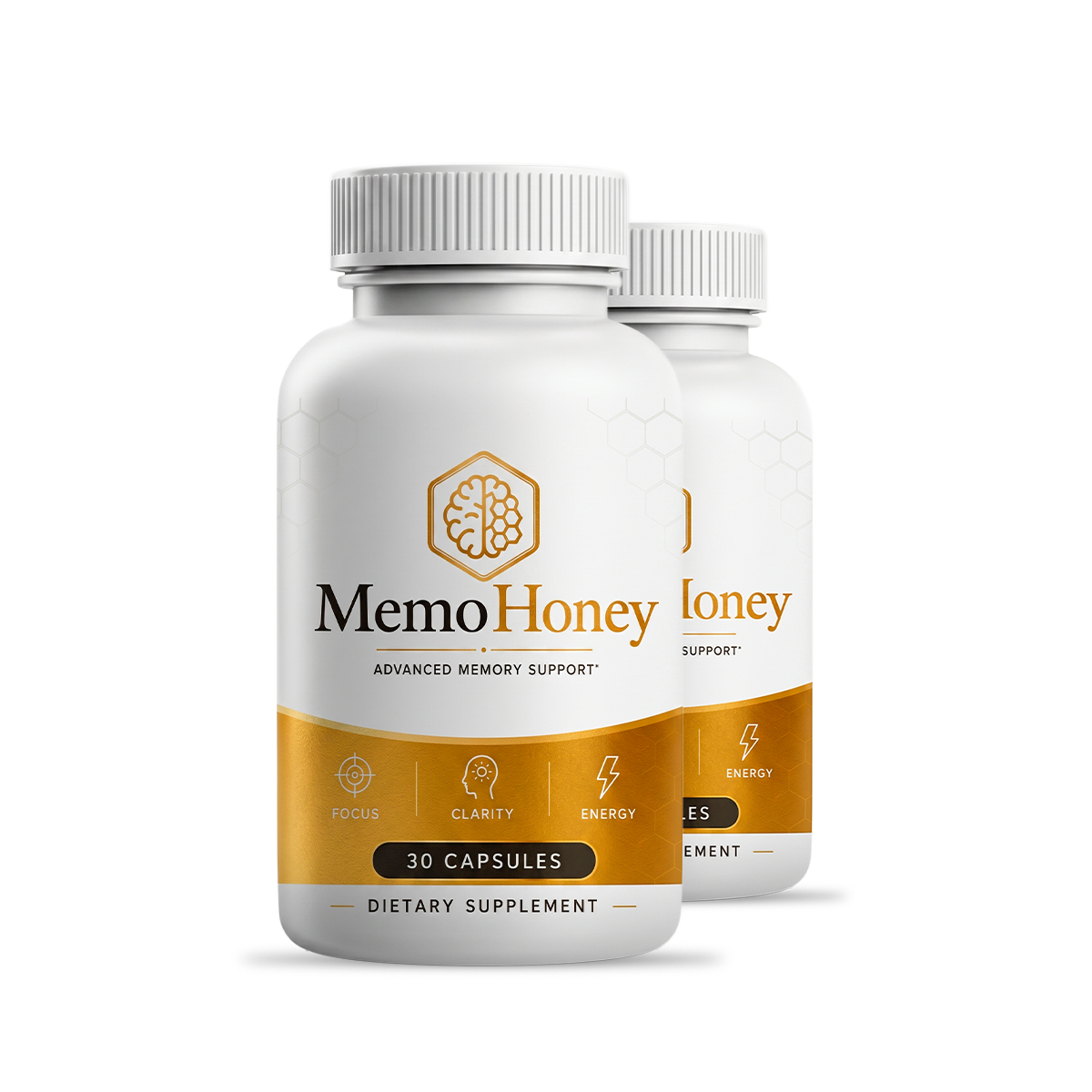
Whether vitamin B6 appears in a particular product is a label question, not a marketing one. Our MemoHoney ingredients page lists what goes into each capsule, and the Supplement Facts panel on your bottle is always the final word.
To avoid counterfeit stock, order only from the MemoHoney official website, where the MemoHoney discount is applied automatically to multi-bottle bundles.
Key Takeaway
Understanding vitamin B6 will not transform your memory overnight, but it will help you choose what is worth your time, money and attention. That is a genuine advantage.
Check MemoHoney Official Pricing