Memory Techniques: What Every Adult Should Know
Before you can make sensible choices about memory and focus, it helps to understand the building blocks. Memory techniques is one of them, and this guide explains it from the ground up.
Memory Techniques in Plain Terms
Memory techniques, or mnemonics, are strategies that make information easier to encode and retrieve. They work by linking new material to images, places, stories or patterns.
The method of loci places items along a familiar route in your imagination. Chunking groups information, such as phone numbers, into manageable units.
Why People Pay Attention to This
They offer an immediate, drug-free way to remember more. Daily choices shape how sharp you feel far more than most people expect, and memory techniques is one of the areas where small changes add up.
What the Evidence Says
Studies of memory champions show their brains are not unusual; they rely on trained techniques such as the method of loci. Research shows ordinary people can dramatically improve recall of lists and facts after a few weeks of training. Many studies in this area are short and small, so reviewers look for patterns across dozens of experiments before drawing firm conclusions.
Mnemonics work because the brain evolved to remember places, faces and stories more easily than abstract lists. Techniques simply translate dull information into formats the brain handles naturally.
Association is not causation. When people who do something also have better memory, other factors such as income, education or general health may explain the link.
You can cross-check what you read here against the National Center for Complementary and Integrative Health, which has no product to sell.
Details Worth Knowing
- Acronyms and rhymes help with ordered lists.
- Vivid, unusual images are remembered better than bland ones.
- Linking names to a distinctive feature helps people remember new acquaintances.
- Techniques work best when combined with spaced review.
Where People Go Wrong
Finally, it is easy to confuse busyness with productivity. Protecting focused time is often more valuable than adding more tasks.
One misconception comes up often: Great memory is a gift you are born with. In reality, most memory champions credit trained techniques rather than natural talent.
A second belief deserves a closer look. Mnemonics are only for students. The evidence points elsewhere: adults of any age can use them for names, lists and everyday tasks.
Practical Takeaways
The most useful actions are also the simplest:
- Picture items placed around your home to remember a list.
- Repeat a new name aloud and link it to an image.
- Break long numbers into groups of three or four.
- Review mnemonics after a day and after a week.
To put this in context, to remember to buy milk, eggs and bread, picture a carton of milk pouring over your front door, eggs cracking on the stairs and a loaf in your bed. It sounds silly, which is exactly why it works.
Choose one or two measures that matter to you, such as how often you lose your train of thought or how quickly names come back, and rate them weekly on a one-to-five scale.
Beyond the Basics
Social support helps too. Sharing goals with a friend or colleague makes habits more likely to stick and makes setbacks easier to handle.
Recovery is part of performance. Breaks, sleep, time outdoors and social contact are not rewards for finishing work; they are part of what keeps the brain able to work well.
If you share your household with others, involving them can make changes easier. Family members often notice improvements in mood or alertness before we notice them ourselves.
A Note on MemoHoney
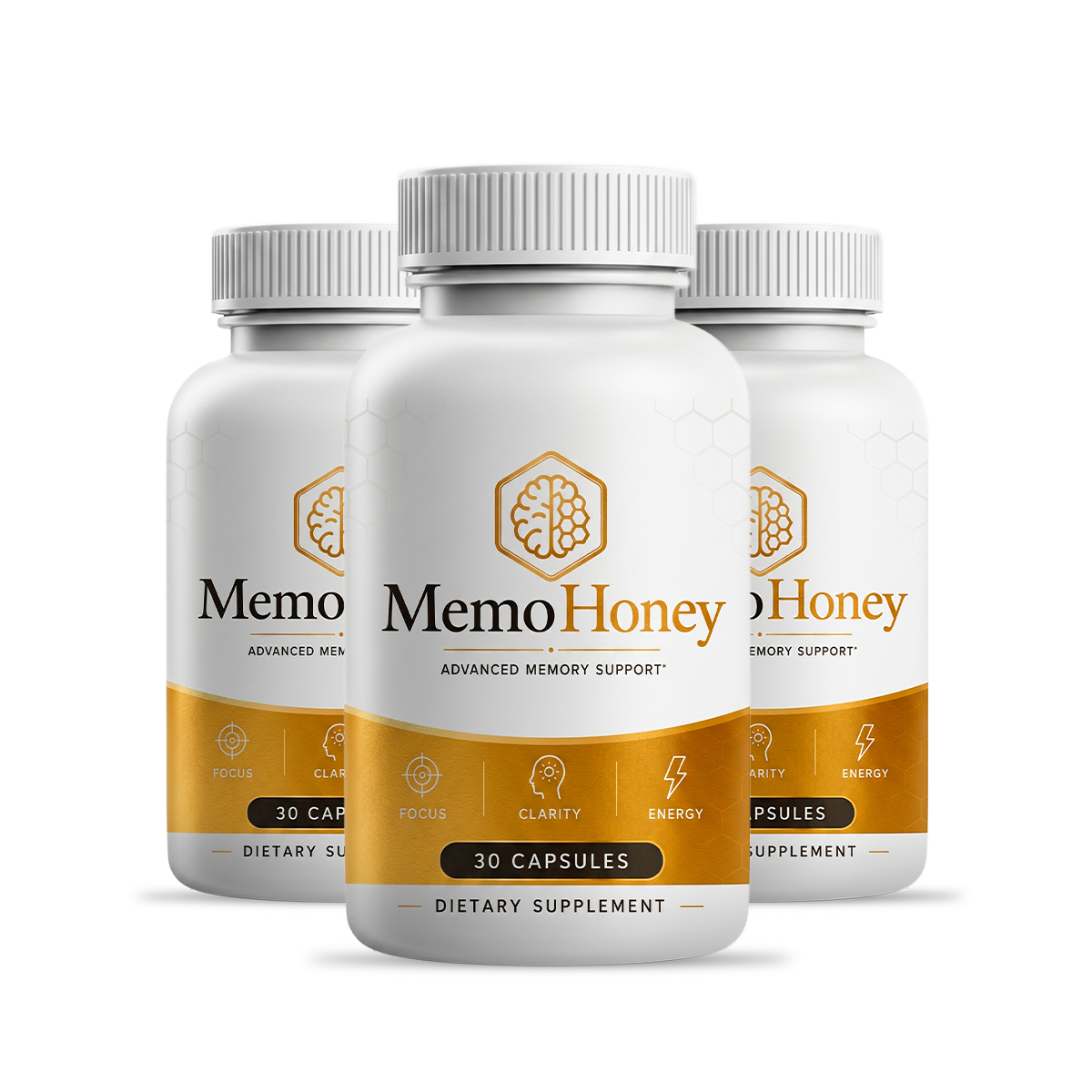
We would always put the basics first. Once they are in place, some people choose to add a daily memory-support supplement such as MemoHoney, which you can learn about on the what is MemoHoney page.
The MemoHoney official website is the only authorised place to order. There you can see the official MemoHoney pricing and the terms of the 60-day guarantee side by side.
Summing Up
Memory techniques rewards a careful, curious approach. Ask good questions, check your sources and remember that your doctor or pharmacist is an ally in every decision.
Check MemoHoney Official Pricing