Common Myths About Learning New Skills at Any Age
Before you act on something you read about learning new skills at any age, it is worth checking whether it holds up. These are the claims our editors see most often, and what the facts actually say.
Learning something genuinely new, such as a language, an instrument or a craft, challenges the brain in ways that routine activities do not. It builds new connections and draws on memory, attention and problem-solving. Focus and memory respond to the conditions you create for them. Understanding learning new skills at any age helps you create better conditions.
Where the Confusion Comes From
Myths about focus often promise effortless results, which is exactly why they are appealing and exactly why they disappoint. Lifelong learning is one of the most practical ways to put neuroplasticity to work.
Myth 1: Older adults cannot learn new skills well
Fact: Learning may take longer, but older adults can and do master new skills. Novelty and challenge appear to be key ingredients for brain benefits.
Myth 2: Crosswords are enough to keep the brain sharp
Fact: Familiar puzzles help less than learning something new and demanding. Learning a language involves memory, sound processing and attention.
Myth 3: Cognitive decline cannot be influenced
Fact: Many lifestyle factors linked to cognitive health can be changed at any age.
Myth 4: Harder work always means better results
Fact: Without breaks and sleep, performance drops even when effort increases.
The Facts Worth Remembering
- Musical training engages motor, auditory and memory systems together.
- Progress is fastest with regular short practice sessions.
- Frustration is normal and part of effective learning.
- Classes add social benefits to the mental challenge.
What Studies Support
A trial in older adults found that learning demanding new skills such as digital photography improved episodic memory more than social or low-demand activities. Education across life is associated with greater cognitive reserve. Official bodies such as the NIH tend to describe the evidence conservatively. That caution is a feature, not a flaw.
Learning feels harder with age partly because older adults often compare themselves with their younger selves or with experts. Setting small, measurable goals keeps motivation up and makes progress easier to see.
For a second opinion from a public source, see MedlinePlus.
What to Do Instead
Here is how to apply the key points in everyday life:
- Choose something that is genuinely hard for you.
- Practise for 15 to 30 minutes most days.
- Take a class for structure and company.
- Track progress to stay motivated.
A simple example helps. A 62-year-old who starts learning Spanish with ten minutes of practice a day and a weekly class may feel slow at first, but can hold simple conversations within months.
A Few More Points to Consider
Social support helps too. Sharing goals with a friend or colleague makes habits more likely to stick and makes setbacks easier to handle.
If you notice persistent changes in concentration, mood or memory, it is worth speaking to a doctor. Conditions such as thyroid problems, anaemia, depression and sleep apnoea can all affect thinking and are treatable.
Energy and focus rise and fall across the day. Planning demanding work for your naturally sharper hours, and routine tasks for slower periods, is one of the simplest ways to get more from the same effort.
Energy management is as important as time management. Matching demanding tasks to the hours when you feel sharpest can make the same work feel lighter.
How This Relates to MemoHoney
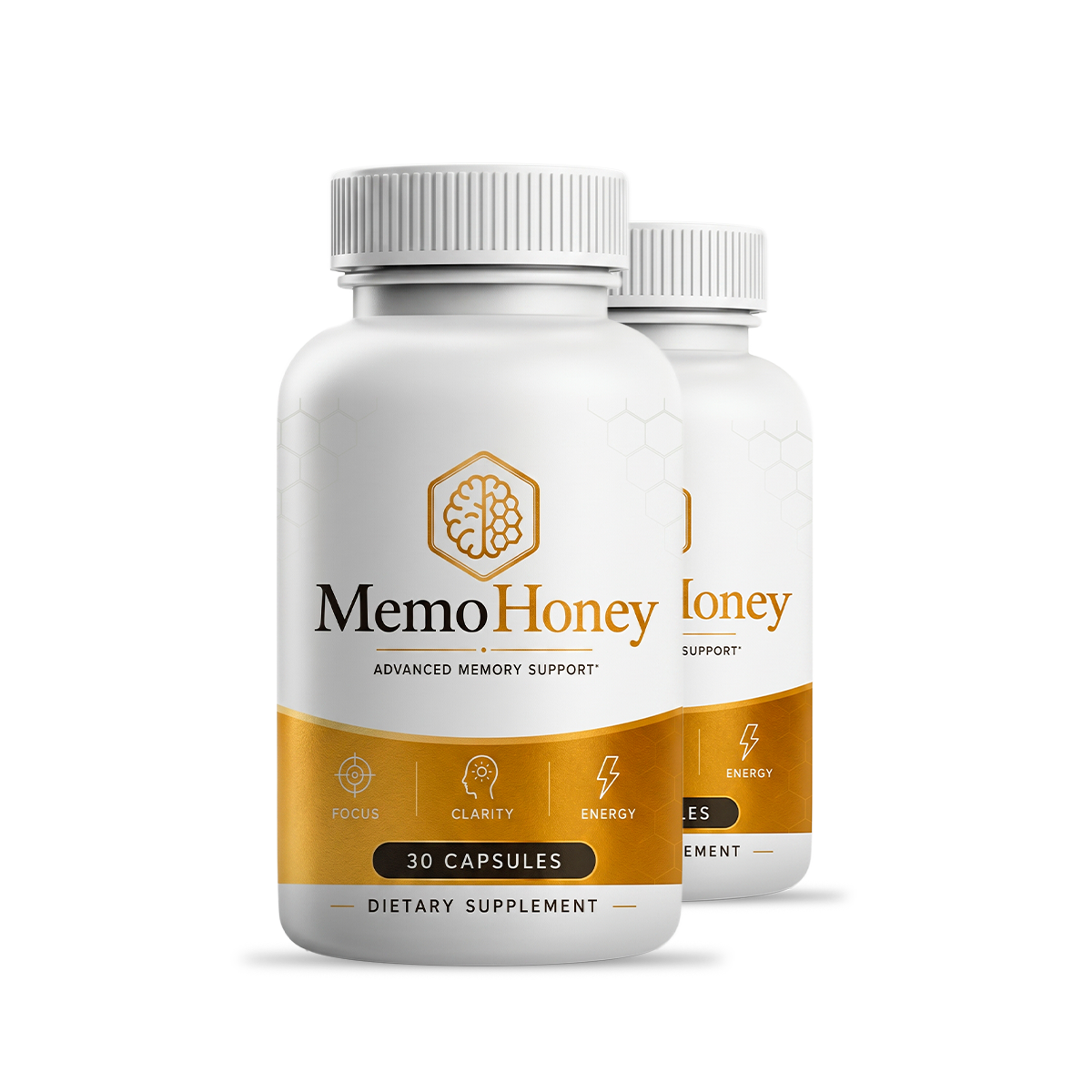
If you are exploring supplements alongside lifestyle changes, our MemoHoney ingredients page lists what is in each capsule, and the MemoHoney reviews page gives an honest summary of pros and cons.
For the full details, visit the MemoHoney official website. Its pricing section shows the per-bottle cost for each bundle so you can work out the cost per day before ordering.
Final Thoughts
Good information turns learning new skills at any age from a source of confusion into something you can act on sensibly. Start small, track honestly and adjust as you learn what works for you.
Check MemoHoney Official Pricing