The Science Behind Social Connection and the Brain
It is one thing to hear that something is backed by science and another to know what that science involved. This article unpacks the evidence around social connection and brain health step by step.
Regular contact with other people is not only good for mood; it also exercises memory, language and attention. Conversation is one of the most complex things the brain does.
Staying connected is one of the most enjoyable ways to protect cognitive health. Focus and memory respond to the conditions you create for them. Understanding social connection and brain health helps you create better conditions.
The Short Answer
The 2020 and 2024 Lancet Commission reports list social isolation as a modifiable risk factor for dementia. Long-term studies link loneliness with faster cognitive decline, although the relationship is complex and works in both directions. This is a good example of why details, not headlines, should guide decisions.
How the Evidence Is Gathered
Many studies in this area are short and small, so reviewers look for patterns across dozens of experiments before drawing firm conclusions.
Social engagement may protect the brain through several routes: mental stimulation, reduced stress, better health habits and a sense of purpose. Researchers are still untangling which of these matter most.
Who took part matters. Findings in young students, older adults with memory complaints or people with a medical condition do not automatically apply to everyone.
Findings Worth Knowing
- Conversation requires memory, attention, language and reading emotions at the same time.
- Loneliness has been linked with poorer sleep and higher stress hormones.
- Hearing loss can lead to social withdrawal, which adds to cognitive risk.
- Volunteering and group activities provide both social and mental stimulation.
- Quality of relationships matters, not just quantity.
- Social isolation became a public health focus in several countries in recent years.
What the Evidence Does Not Prove
Where studies disagree, the most cautious interpretation is usually the safest one to act on. A related misconception is worth naming: Only introverts need to worry about isolation. In fact, anyone can become isolated, and preferences for social contact differ.
Readers also meet this idea: Online contact does not count. In fact, it can help, although in-person contact offers additional benefits.
Spotting Overstated Claims
When you see a bold claim, ask three questions: who was studied, how much was used and for how long. If a source cannot answer those, treat the claim with caution.
MedlinePlus is a useful source for checking claims independently.
Practical Implications
Here is how to apply the key points in everyday life:
- Schedule regular calls or meetups with friends or family.
- Join a club, class or volunteer group.
- Address hearing problems that make conversation tiring.
- Combine social time with activity, such as walking groups.
A simple example helps. A recently retired engineer who joins a community repair café gains conversation, problem-solving and a weekly routine, three things linked with healthy cognitive ageing.
A Few More Points to Consider
Gentle consistency usually beats intensity. A short daily practice sustained for months tends to produce more lasting change than an ambitious plan abandoned after a fortnight.
Recovery is part of performance. Breaks, sleep, time outdoors and social contact are not rewards for finishing work; they are part of what keeps the brain able to work well.
Stress management and focus are closely linked. When worry takes up mental bandwidth, less is available for concentrating, which is why calming practices can improve productivity as well as mood.
Where MemoHoney Fits
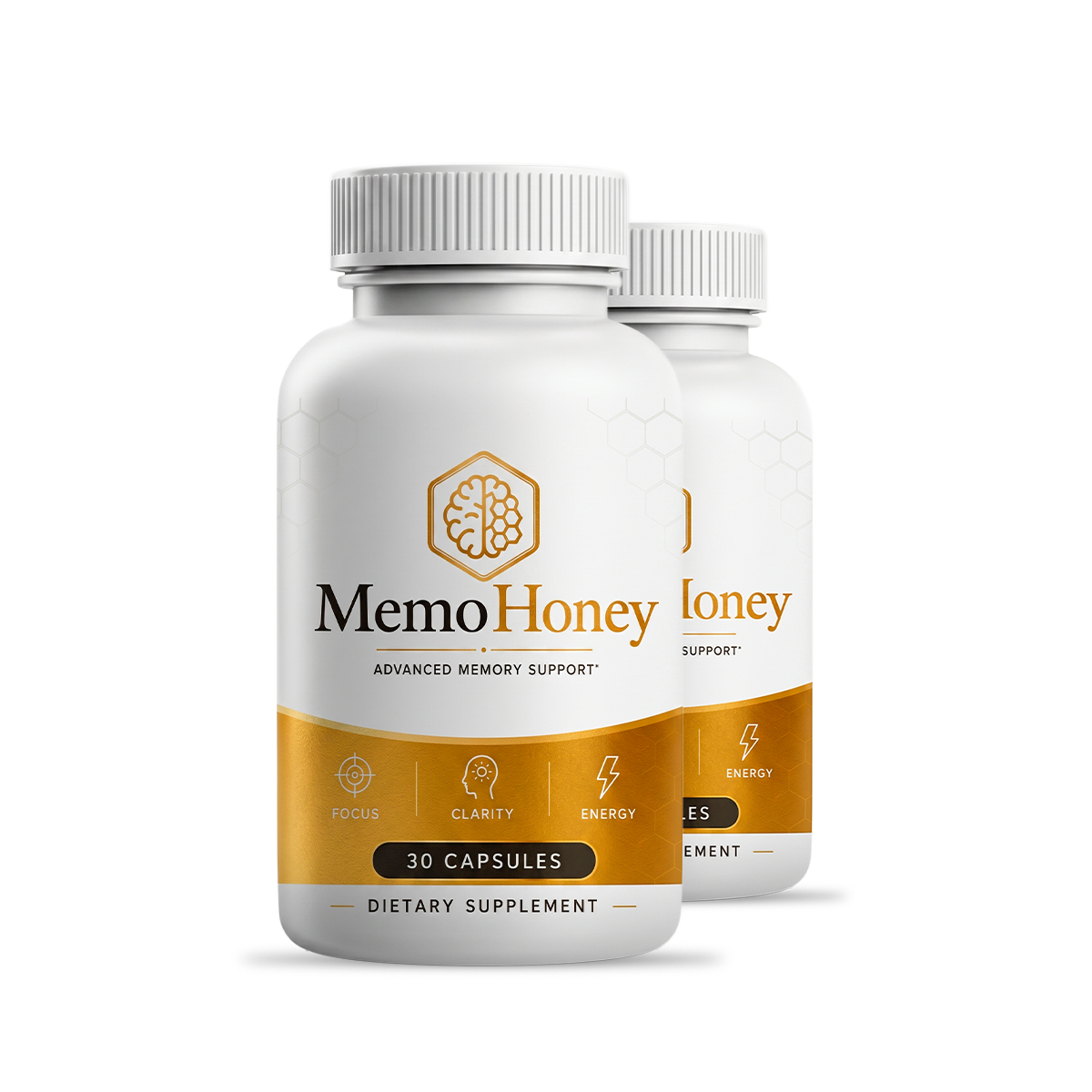
MemoHoney is a once-daily capsule formulated to support memory, focus and mental clarity, and it is designed to sit alongside habits like these rather than replace them. You can read what MemoHoney is and how MemoHoney works before deciding whether it suits you.
Pricing, shipping and the guarantee are all set out on the MemoHoney official website. Read them calmly, check the label with your pharmacist if you take medication, and decide in your own time.
Summing Up
The bottom line on social connection and brain health is simple: facts over hype, consistency over intensity and safety first. Everything else builds from there.
Check MemoHoney Official Pricing