Learning New Skills at Any Age: An Honest Look at the Research
Good decisions rest on good information. Below we walk through the research on learning new skills at any age, including the parts that rarely make it into advertising.
Learning something genuinely new, such as a language, an instrument or a craft, challenges the brain in ways that routine activities do not. It builds new connections and draws on memory, attention and problem-solving.
Lifelong learning is one of the most practical ways to put neuroplasticity to work. Focus and memory respond to the conditions you create for them. Understanding learning new skills at any age helps you create better conditions.
Summary of the Findings
A trial in older adults found that learning demanding new skills such as digital photography improved episodic memory more than social or low-demand activities. Education across life is associated with greater cognitive reserve. Keeping that nuance in mind makes it much easier to judge claims you encounter elsewhere.
How Researchers Study Learning New Skills at Any Age
Research on focus and learning combines laboratory tasks, classroom and workplace studies, and controlled trials of specific techniques or habits. The most reliable findings have been repeated across different groups of people.
Learning feels harder with age partly because older adults often compare themselves with their younger selves or with experts. Setting small, measurable goals keeps motivation up and makes progress easier to see.
Duration is easy to overlook. A benefit measured after twelve weeks says little about the first few days, and short studies cannot reveal long-term effects.
What the Studies Point To
- Novelty and challenge appear to be key ingredients for brain benefits.
- Learning a language involves memory, sound processing and attention.
- Musical training engages motor, auditory and memory systems together.
- Progress is fastest with regular short practice sessions.
- Frustration is normal and part of effective learning.
- Classes add social benefits to the mental challenge.
Important Limitations
Official bodies such as the NIH tend to describe the evidence conservatively. That caution is a feature, not a flaw. A related misconception is worth naming: Older adults cannot learn new skills well. In fact, learning may take longer, but older adults can and do master new skills.
Another claim often attached to this topic: Crosswords are enough to keep the brain sharp. In fact, familiar puzzles help less than learning something new and demanding.
Spotting Overstated Claims
When you see a bold claim, ask three questions: who was studied, how much was used and for how long. If a source cannot answer those, treat the claim with caution.
MedlinePlus is a useful source for checking claims independently.
Practical Implications
A few simple actions put this knowledge to work:
- Choose something that is genuinely hard for you.
- Practise for 15 to 30 minutes most days.
- Take a class for structure and company.
- Track progress to stay motivated.
Here is how this plays out in everyday life. A 62-year-old who starts learning Spanish with ten minutes of practice a day and a weekly class may feel slow at first, but can hold simple conversations within months.
More Useful Context
Stress management and focus are closely linked. When worry takes up mental bandwidth, less is available for concentrating, which is why calming practices can improve productivity as well as mood.
Information on health topics changes as new research is published. Checking the date of any article, including this one, and looking for recent reviews helps keep your understanding current.
Motivation often follows action rather than preceding it. Starting with a small, specific step, such as writing one paragraph or reading one page, makes it easier to keep going than waiting to feel ready.
How This Relates to MemoHoney
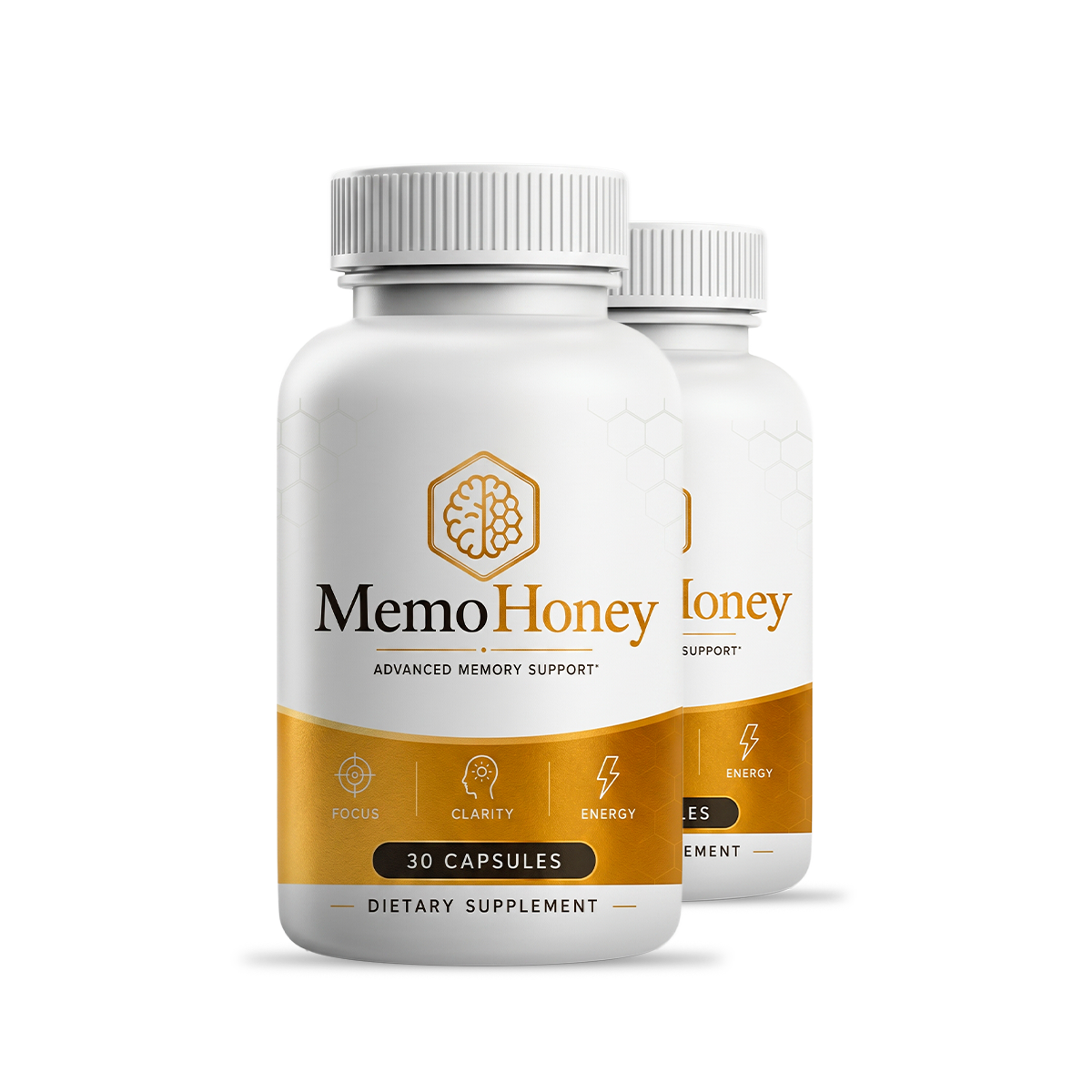
If you are exploring supplements alongside lifestyle changes, our MemoHoney ingredients page lists what is in each capsule, and the MemoHoney reviews page gives an honest summary of pros and cons.
Current bundles and the MemoHoney sale pricing are listed on the MemoHoney official website. Each bottle holds 30 capsules, which is one month at the labelled serving.
Summing Up
Treat everything you read about learning new skills at any age, including this article, as a starting point. Combine it with professional advice and your own honest observations.
Check MemoHoney Official Pricing