Focus Without the Caffeine Crash: Simple Steps That Help
Below you will find a clear, step-by-step approach to focus without a caffeine crash, along with the safety points worth knowing before you start.
The Basics of Focus Without the Caffeine Crash
Many people rely on coffee or energy drinks to get through the day, then crash in the afternoon. Steadier focus usually comes from combining moderate caffeine with sleep, food and movement rather than more stimulants. Caffeine blocks adenosine, a chemical that builds up during waking hours and promotes sleepiness.
The crash many people feel is partly the return of adenosine that caffeine was blocking, and partly the effect of poor sleep caused by caffeine taken too late. Breaking that cycle often requires cutting afternoon caffeine for a week or two.
A calmer approach to focus tends to last longer and feels better than repeated highs and lows. Many people look for a quick cognitive fix while overlooking simple, well-studied habits. This topic sits firmly in the second group.
Step by Step
A few simple actions put this knowledge to work:
- Set a caffeine cut-off around early afternoon.
- Pair caffeine with food rather than drinking it on an empty stomach.
- Switch one daily coffee to tea to see how you feel.
- Use a short walk instead of an extra cup when energy dips.
A real-world example makes this clearer. A manager who drinks coffee at 8am, 11am, 2pm and 4pm might feel dependent on each cup. Stopping after the late-morning coffee and taking a walk at 3pm often steadies energy within a fortnight.
The reasoning behind the checklist is straightforward. Its half-life is roughly five hours in many adults, so afternoon cups can affect sleep. The FDA considers up to 400 mg a day generally safe for most healthy adults.
Why the Research Backs This
Caffeine reliably improves alertness and reaction time, but tolerance develops with regular use and high doses can cause anxiety and poor sleep. Research on caffeine paired with L-theanine suggests the combination may smooth out some jittery effects.
Common Mistakes to Avoid
Another is measuring success by how you feel on a single day. Focus and memory fluctuate, so trends over weeks are more meaningful. People also overlook the role of sleep and stress, then wonder why techniques that work for others do not work for them.
Two misconceptions also trip people up. The first is that more caffeine means more focus. In reality, beyond moderate doses, caffeine often brings jitters and worse concentration. The second is that stimulant-free means no effect. Actually, many focus habits work without stimulants by improving sleep and energy stability.
Safety First
How to Tell Whether It Is Working
Choose one or two measures that matter to you, such as how often you lose your train of thought or how quickly names come back, and rate them weekly on a one-to-five scale.
Facts to Keep in Mind
- Energy drinks can contain large amounts of caffeine alongside sugar.
- Regular users develop tolerance, which reduces the alertness boost.
- Delaying the first coffee until after breakfast works well for some people.
If you want to read further, the National Institute on Aging publishes free, evidence-based information.
More Useful Context
It is also worth revisiting this topic every so often, as your circumstances, health and routines change over the years.
Comparing yourself with others rarely helps. Cognitive habits work best when they fit your own schedule, preferences and responsibilities, rather than copying someone else's routine exactly.
MemoHoney and This Topic
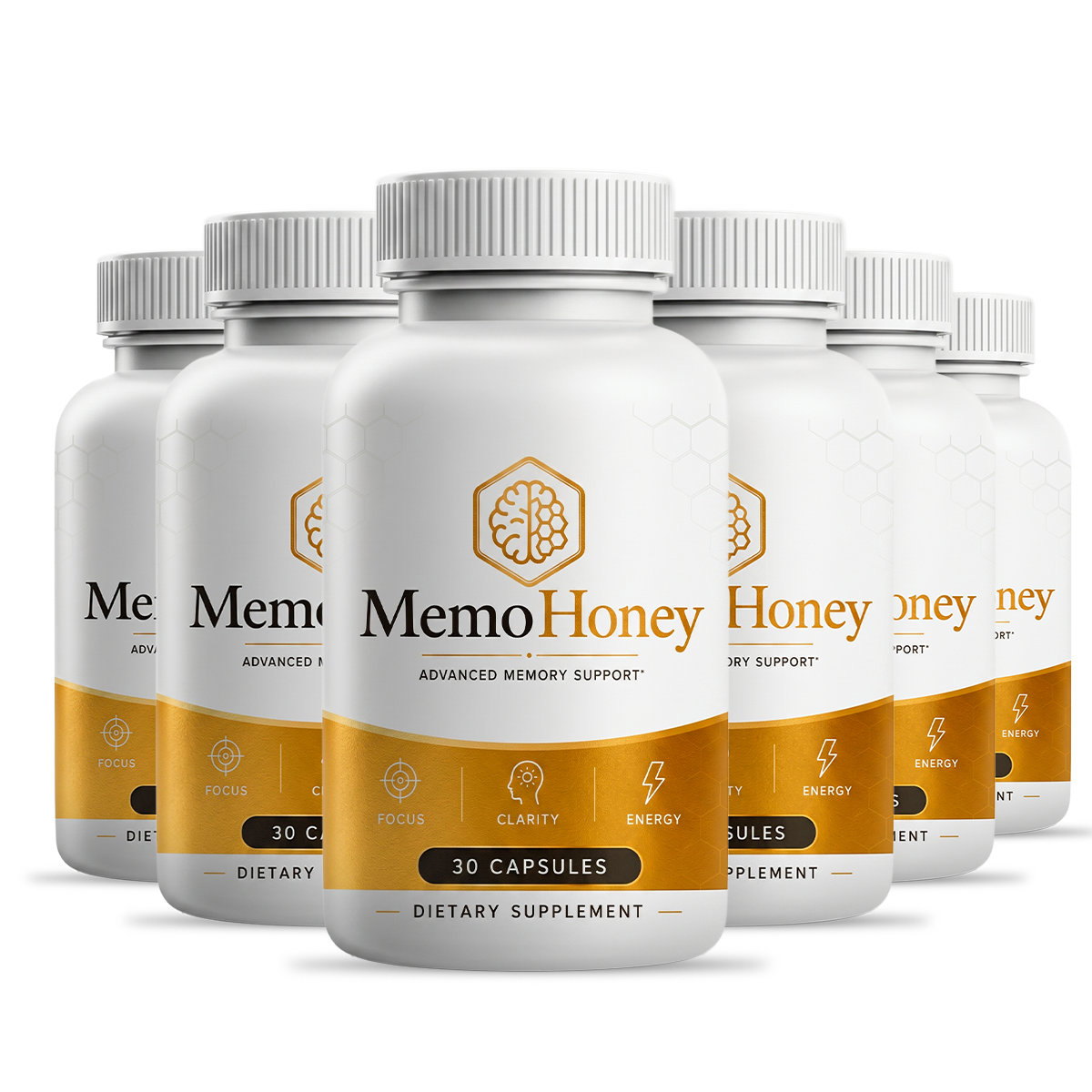
Supplements work best when expectations are realistic. MemoHoney is designed for consistent daily use over weeks, not for an instant effect, and our MemoHoney reviews page is open about that.
Current bundles and the MemoHoney sale pricing are listed on the MemoHoney official website. Each bottle holds 30 capsules, which is one month at the labelled serving.
The Bottom Line
The key takeaway on focus without a caffeine crash is balance. Use the solid evidence, respect the limits of what is known and build any change into a routine you can sustain.
Check MemoHoney Official Pricing