Caffeine and the Brain: What Readers Ask Most
If you only have a few minutes, this is the article to read on caffeine. The questions below are the ones that come up again and again.
What is the short explanation of caffeine?
Caffeine is a naturally occurring stimulant found in coffee, tea, cocoa and many soft and energy drinks. It is the most widely used psychoactive substance in the world. Understanding caffeine helps you use it deliberately rather than depend on it.
Why should you care about this?
Focus and memory respond to the conditions you create for them. Understanding caffeine helps you create better conditions. Caffeine can worsen anxiety and interfere with some medications.
Is there good evidence behind this?
Caffeine improves alertness, reaction time and vigilance, particularly when people are tired. Large observational studies link moderate coffee drinking with some health benefits, but high intakes cause anxiety, sleep disruption and raised heart rate in susceptible people. A typical 8-ounce cup of brewed coffee contains roughly 80 to 100 mg of caffeine.
Caffeine sensitivity varies widely. Some people sleep soundly after an evening espresso, while others are affected by a lunchtime cup, partly because of differences in the liver enzyme CYP1A2 that breaks caffeine down.
Which details matter most?
- Caffeine peaks in the blood within about 30 to 60 minutes.
- Genetic differences affect how quickly people metabolise caffeine.
- Caffeine withdrawal can cause headaches, fatigue and poor concentration.
- Pregnant women are usually advised to limit caffeine to 200 mg a day.
When should you speak to a professional?
Caffeine can interact with some antibiotics, stimulant medicines and treatments for heart conditions. People with anxiety, palpitations or high blood pressure should discuss their intake with a doctor. This article is general information; your own doctor knows your history and medications.
What can you do today?
- Know how much caffeine is in each of your usual drinks.
- Avoid caffeine within about six hours of bedtime.
- Reduce gradually if you want to cut back, to avoid withdrawal headaches.
- Check supplement labels for hidden caffeine sources such as guarana.
Can you give an everyday example?
A reader who drinks two large coffees, a cola and a pre-workout drink might be well past 400 mg without realising. Listing each source for a day often surprises people.
What is a common misconception?
Many people believe that decaf has no caffeine. Decaffeinated coffee still contains small amounts, usually a few milligrams per cup.
A second belief is that caffeine replaces sleep. In reality, it masks sleepiness but does not restore the memory and health benefits of sleep. Another frequent error: another is measuring success by how you feel on a single day. Focus and memory fluctuate, so trends over weeks are more meaningful.
How can you tell if changes are working?
If you share your notes with a doctor or pharmacist, they can help interpret changes and spot anything that needs attention.
Is there anything else worth knowing?
Many people find it helpful to review their week every Friday for five minutes: what drained energy, what helped focus and one thing to adjust next week.
Be patient with yourself. Changes in focus and memory are usually gradual, and progress is often only visible when you look back over several weeks.
If you have questions this article does not answer, your doctor or pharmacist can give advice that reflects your full health history.
Energy and focus rise and fall across the day. Planning demanding work for your naturally sharper hours, and routine tasks for slower periods, is one of the simplest ways to get more from the same effort.
Rest is part of performance, not the opposite of it. Breaks, weekends and holidays allow the brain to consolidate what it has learned and recover from sustained effort.
How does this relate to MemoHoney?
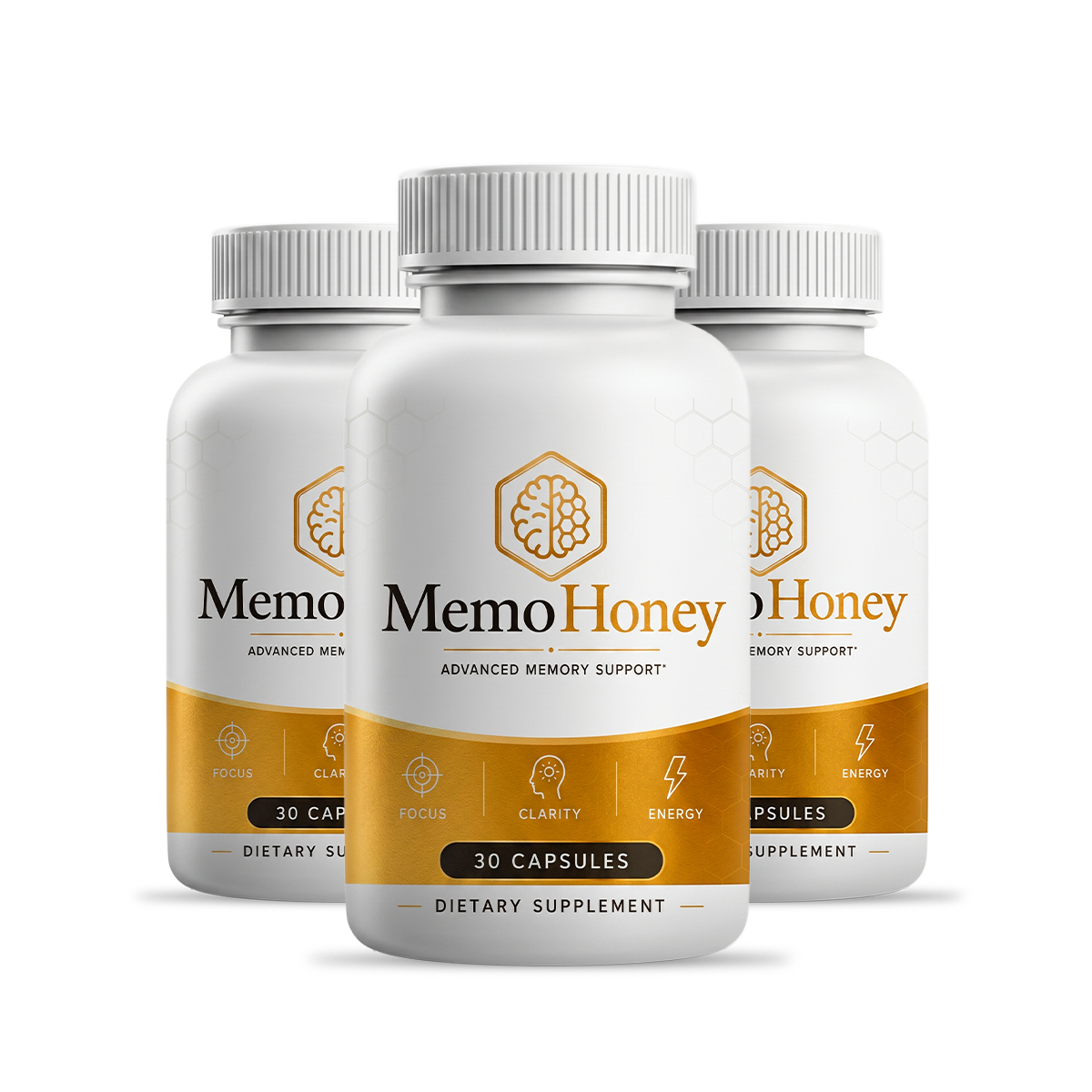
MemoHoney is made for adults who want to support everyday memory and focus without relying on harsh stimulants. The benefits page and the ingredients page together give a complete picture.
Current bundles and the MemoHoney sale pricing are listed on the MemoHoney official website. Each bottle holds 30 capsules, which is one month at the labelled serving.
So what should you do?
Clear thinking about caffeine protects both your health and your wallet. Take what is useful here, leave what does not apply to you and keep learning.
Check MemoHoney Official Pricing