What People Get Wrong About Zinc
Clearing up misconceptions is one of the quickest ways to make better choices. This guide does that for zinc.
Zinc is a trace mineral involved in hundreds of enzymes, in immune function and in wound healing. In the brain, zinc is stored in certain nerve terminals, particularly in the hippocampus, and is released during signalling. Memory formulas often combine several ingredients, which makes it tempting to judge them as a whole. Looking at each component separately, starting with zinc, gives a clearer picture.
Why Myths About Zinc Spread
Ingredient myths often start with a real laboratory finding that gets stretched far beyond what it showed. By the time it reaches an advert, a hint in a test tube has become a promise. Its presence in memory-related brain regions is why zinc turns up in cognitive formulas.
Myth 1: More zinc strengthens memory
Fact: Extra zinc helps if you are deficient; above the upper limit it can cause copper deficiency. Adult men need 11 mg a day and adult women 8 mg a day.
Myth 2: Zinc nasal sprays are a safe way to top up
Fact: The FDA has warned about intranasal zinc products linked to loss of smell. The upper limit is 40 mg a day from all sources combined.
Myth 3: Natural ingredients are always safe
Fact: Many plant and nutrient ingredients have real side effects and drug interactions, so natural is not the same as risk-free.
Myth 4: If an ingredient is on the label, it must be at an effective dose
Fact: Labels are not required to match research doses, and blends can hide very small amounts.
The Facts Worth Remembering
- Oysters, red meat, poultry, beans, nuts and whole grains supply zinc.
- Long-term high zinc intake can cause copper deficiency, which can itself damage nerves.
- Phytates in whole grains and legumes reduce zinc absorption, so vegetarians may need more.
- Zinc gluconate and zinc citrate are common, well-absorbed supplement forms.
What Studies Support
Zinc deficiency can affect mood, taste, immunity and cognition, particularly in older adults. Trials of zinc supplements in well-nourished adults have not shown consistent memory benefits. It is also worth remembering what has not been tested. Many common claims simply have no studies behind them, which is different from having studies that failed.
Zinc status is hard to measure accurately with a single blood test, because blood levels are tightly regulated and fall during illness. Doctors therefore look at diet, symptoms and risk factors as well as lab results.
You can cross-check what you read here against the National Center for Complementary and Integrative Health, which has no product to sell.
Better Habits to Follow
Try building these habits into your routine:
- Total up zinc from every supplement, including multivitamins and cold lozenges.
- Stay below 40 mg a day unless a doctor prescribes more.
- Take zinc with food if it upsets your stomach.
- Separate zinc from certain antibiotics by a few hours.
Here is how this plays out in everyday life. A person who takes zinc lozenges every day through winter, plus a multivitamin, could exceed the upper limit for weeks at a time. That is how copper deficiency can creep in unnoticed.
Other Things Worth Knowing
If you are unsure whether an ingredient suits you, the NIH Office of Dietary Supplements fact sheets and a conversation with a pharmacist are both free, reliable starting points.
MemoHoney and This Topic
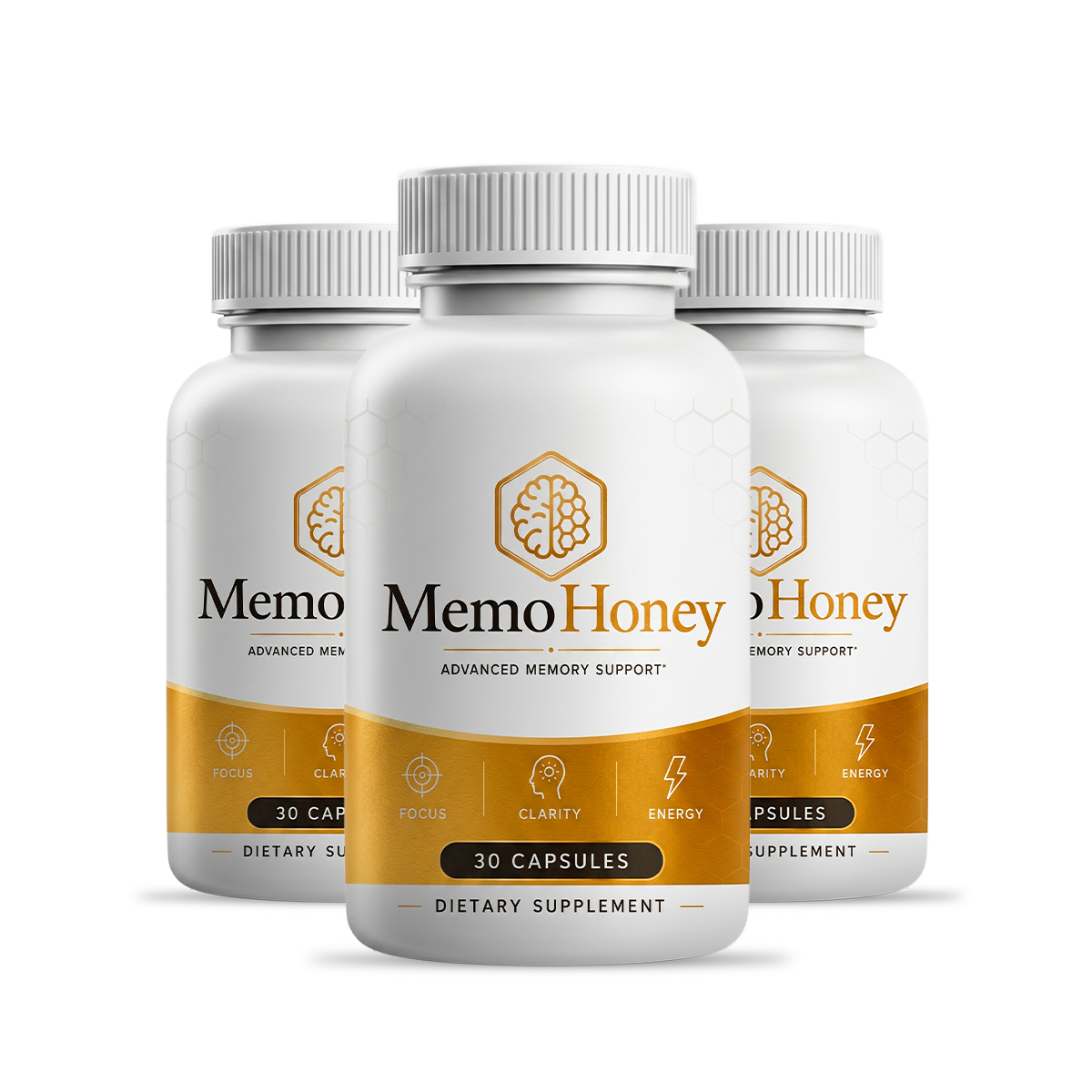
Understanding an ingredient is the first step; checking how it fits a real product is the second. You can see what MemoHoney contains on the MemoHoney ingredients page and read what it is designed to support on the MemoHoney benefits page.
When you are ready, you can compare bundle sizes on the MemoHoney official website. Choose a quantity that matches how long you plan to try it, and keep your confirmation email for the refund policy.
Summing Up
There is no shortcut around the basics, but understanding zinc helps you make better use of them. Keep this guide handy and revisit it when new claims come your way.
Check MemoHoney Official Pricing